

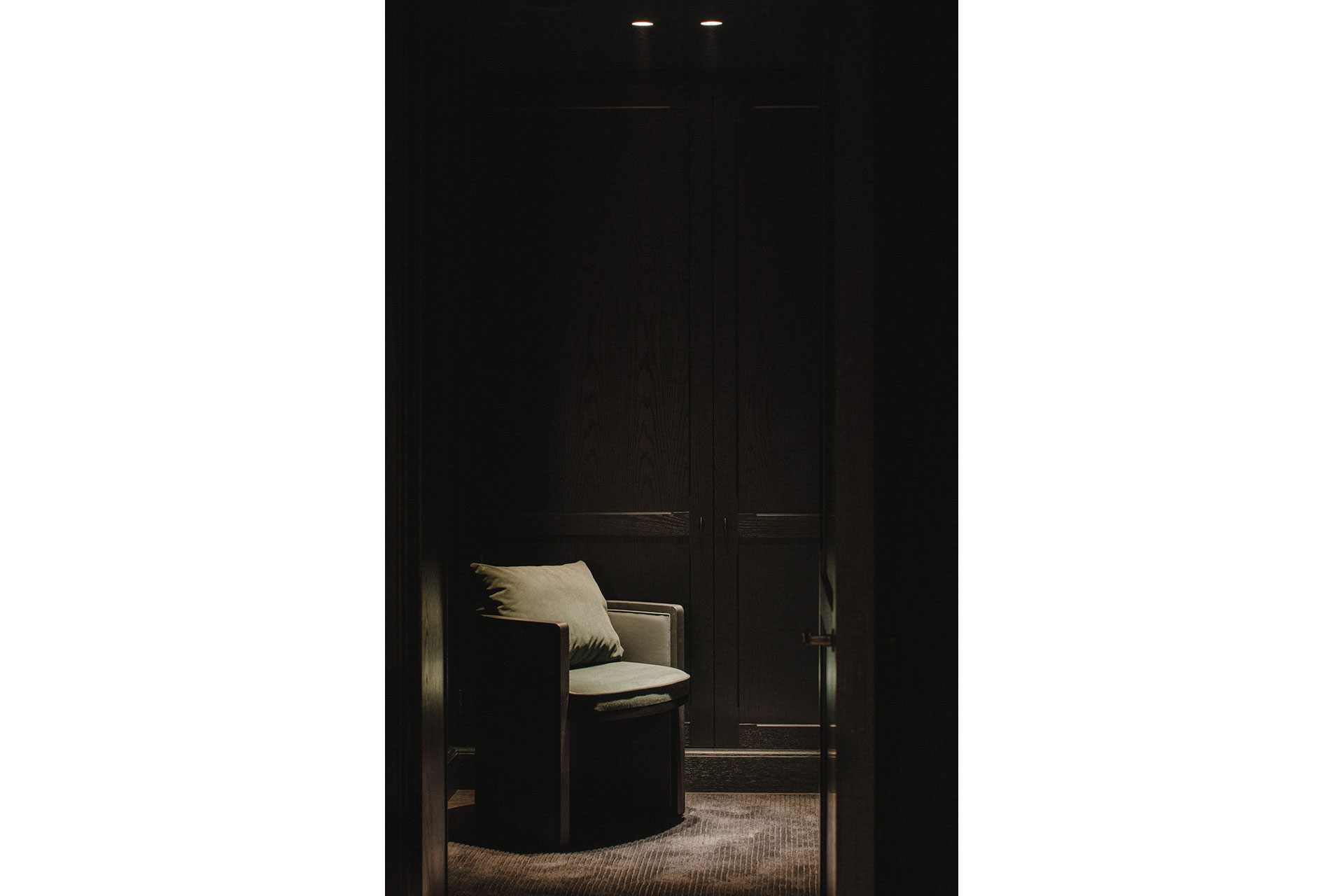
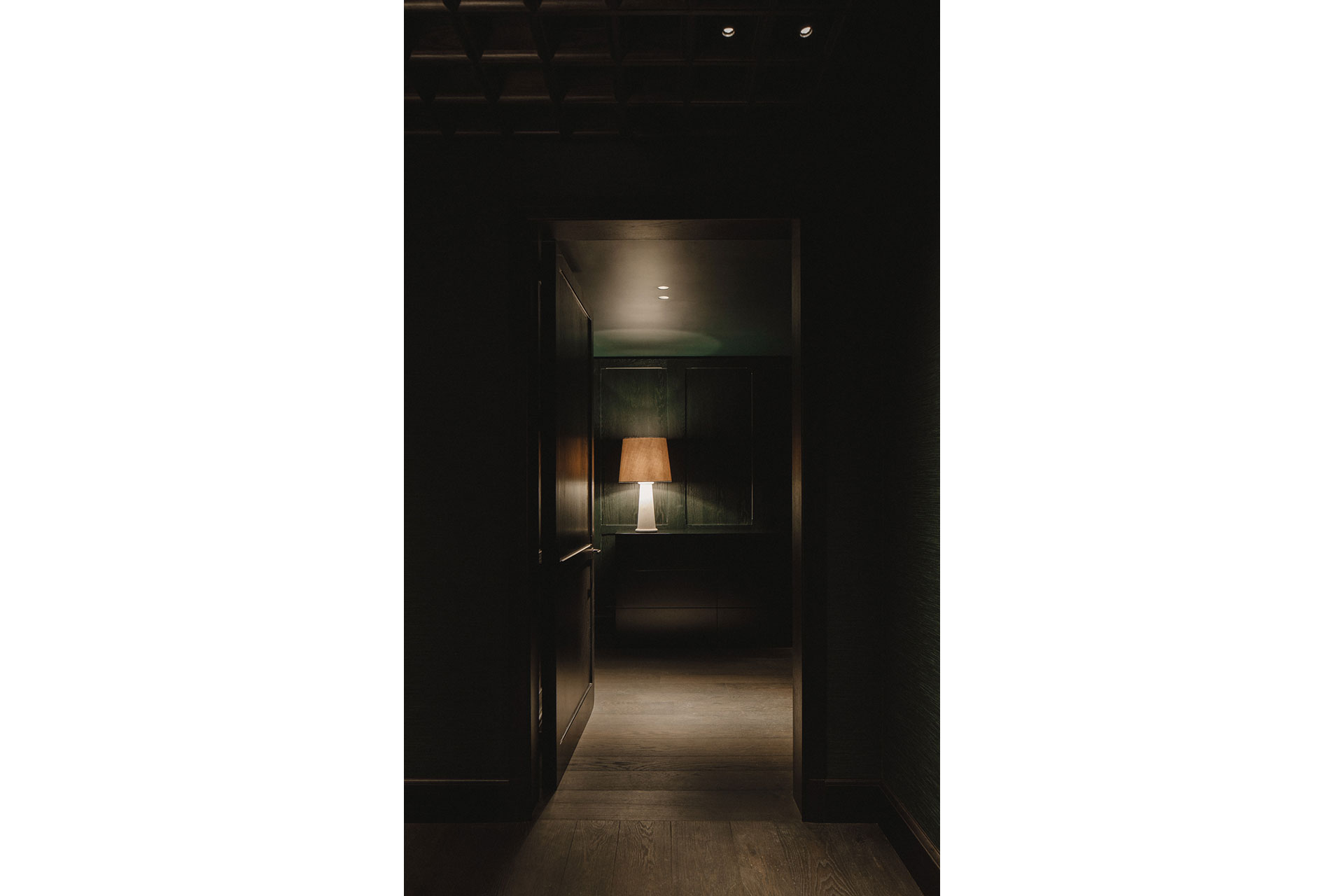
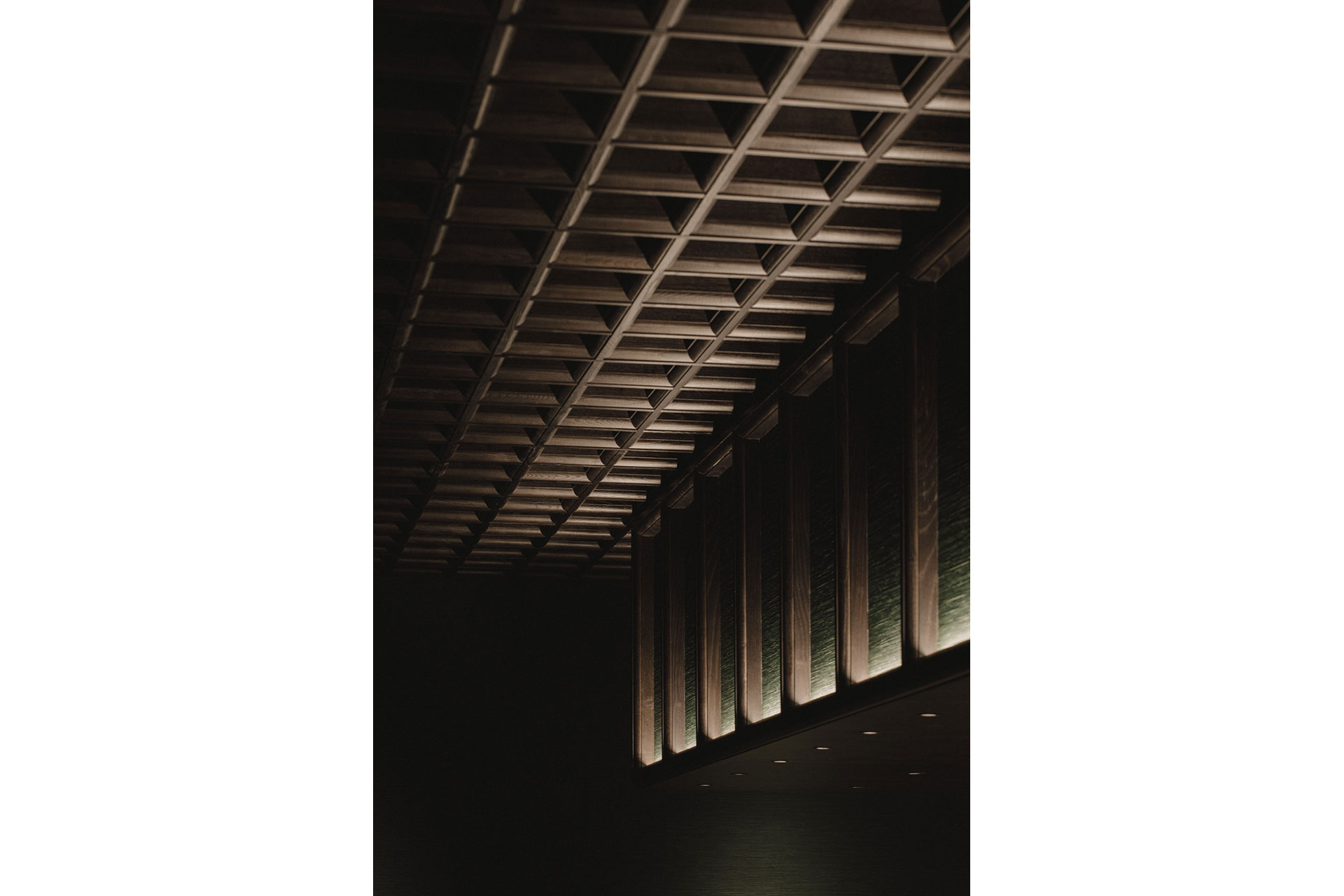
Exploring the immersive universe of JNcQUOI, this project transforms an underground level into a precisely choreographed experience of light, perception, and ritual. Rather than a limitation, the basement is celebrated as an opportunity, where darkness and reflection craft an environment spanning two distinct yet intimately connected spaces.
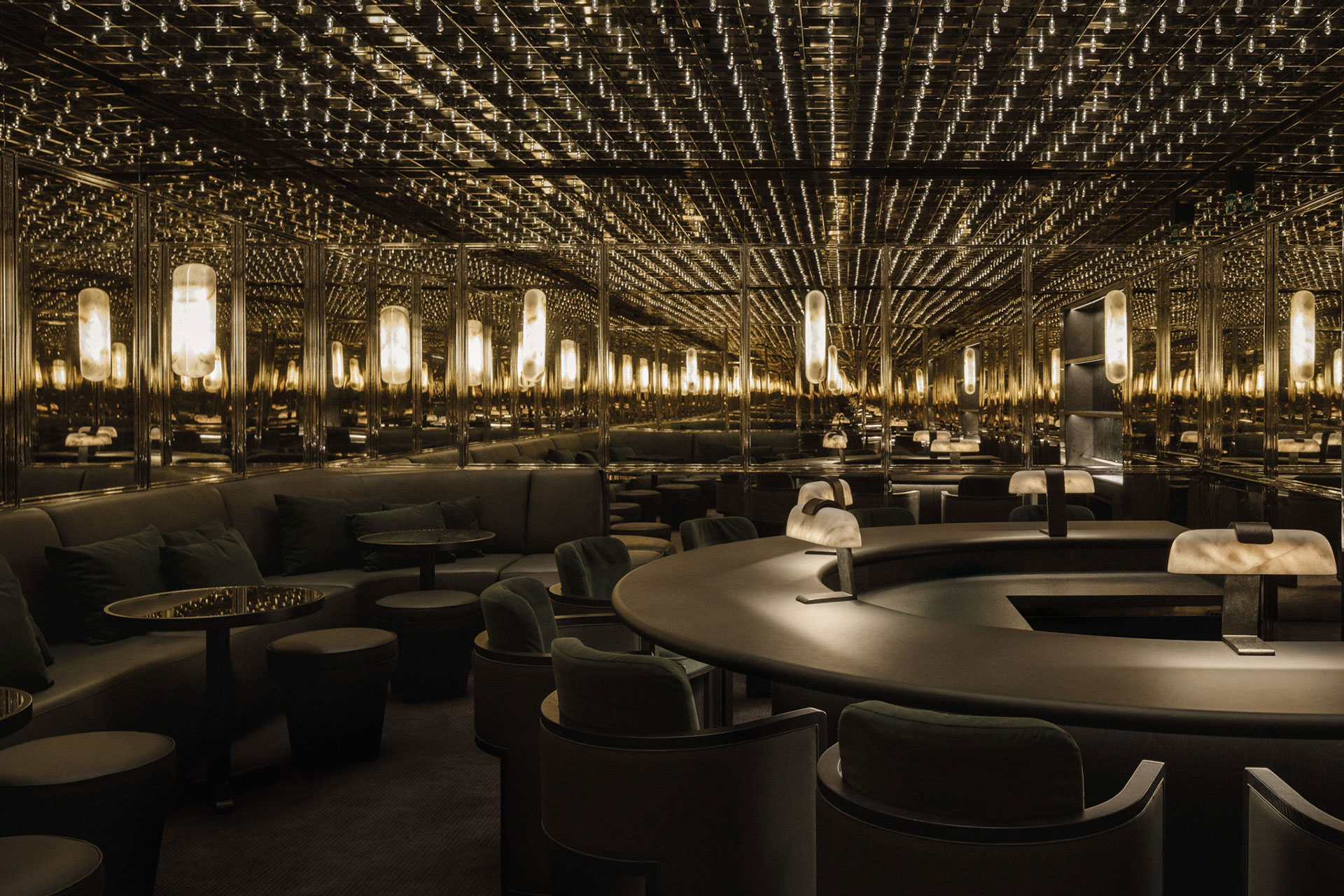
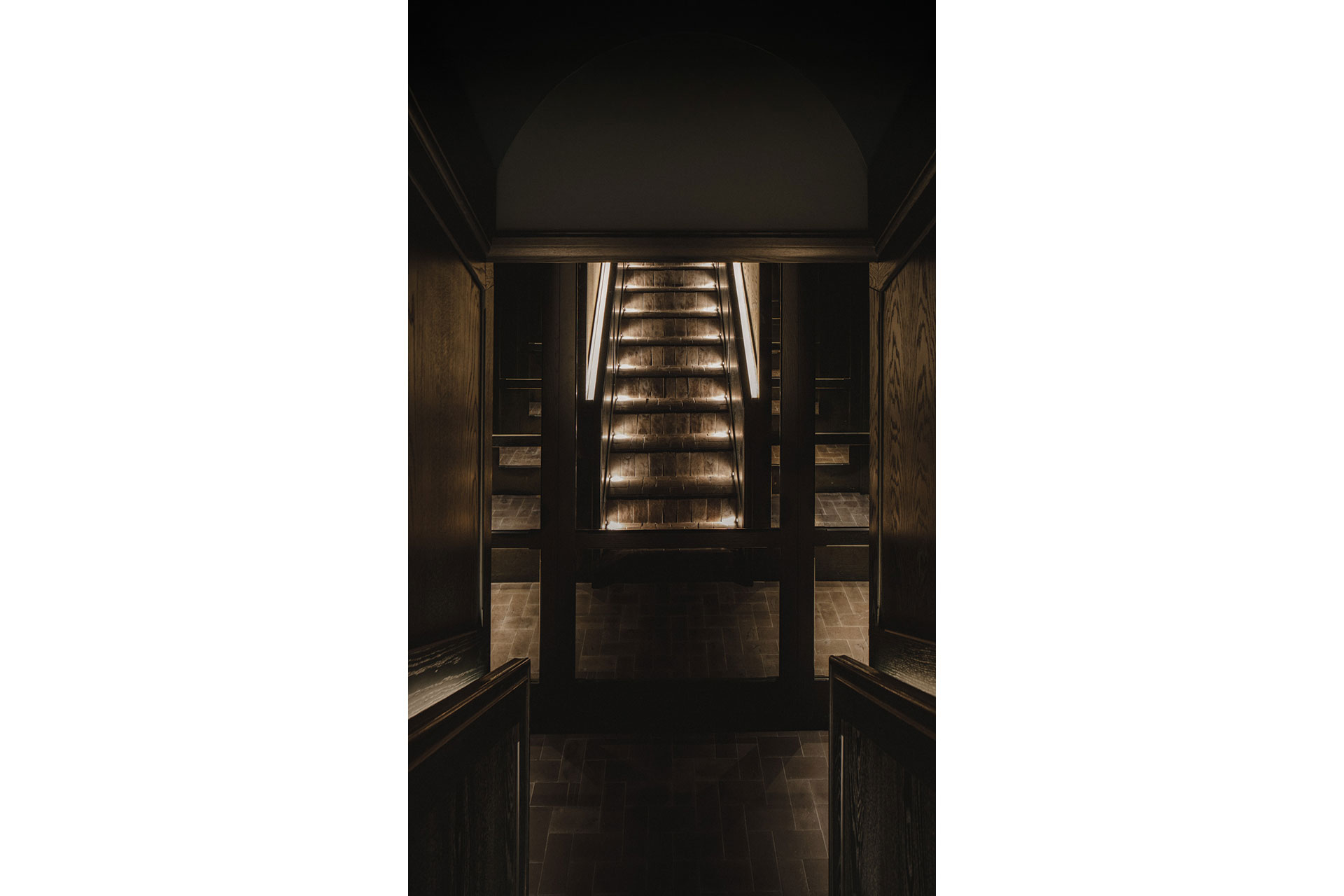
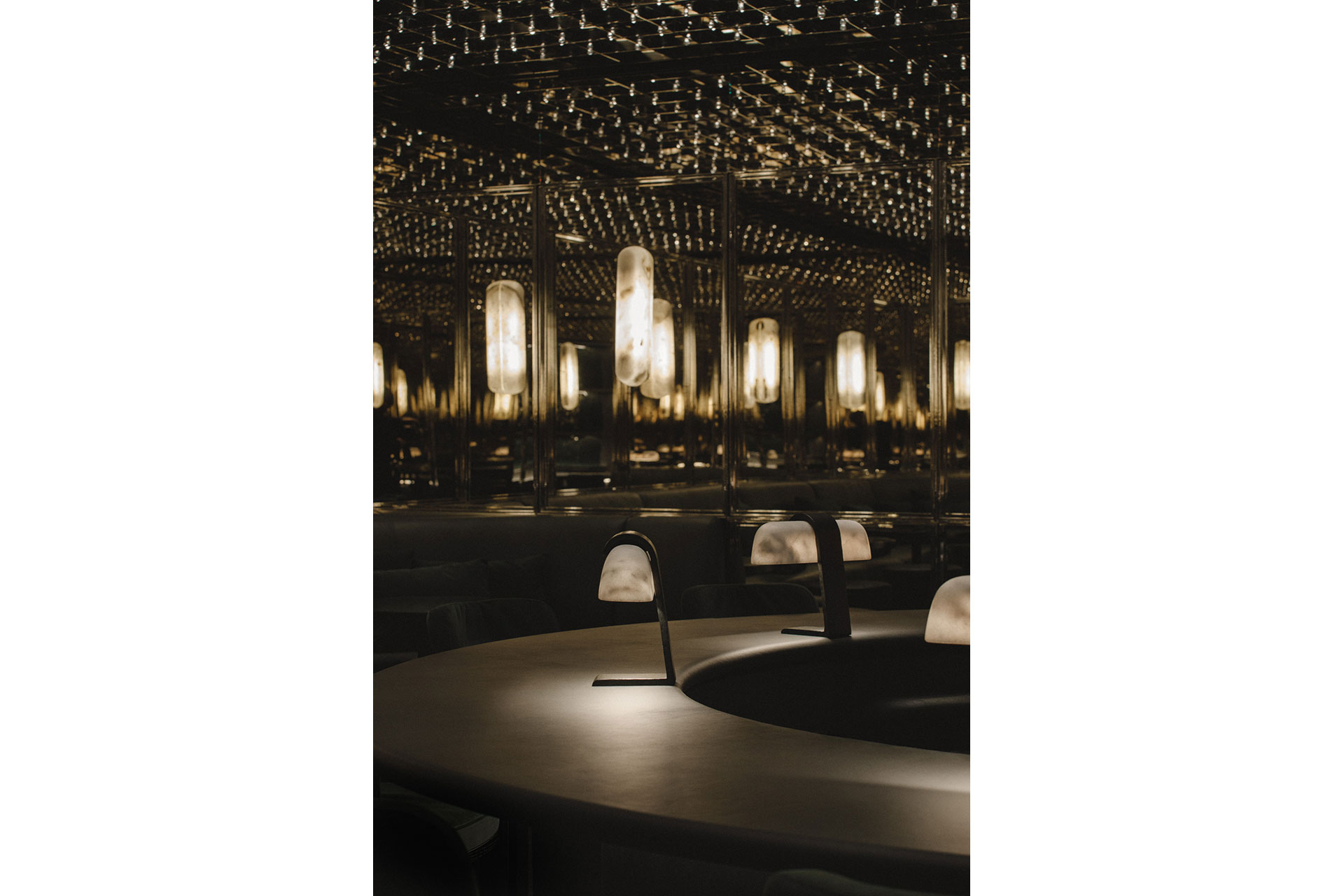
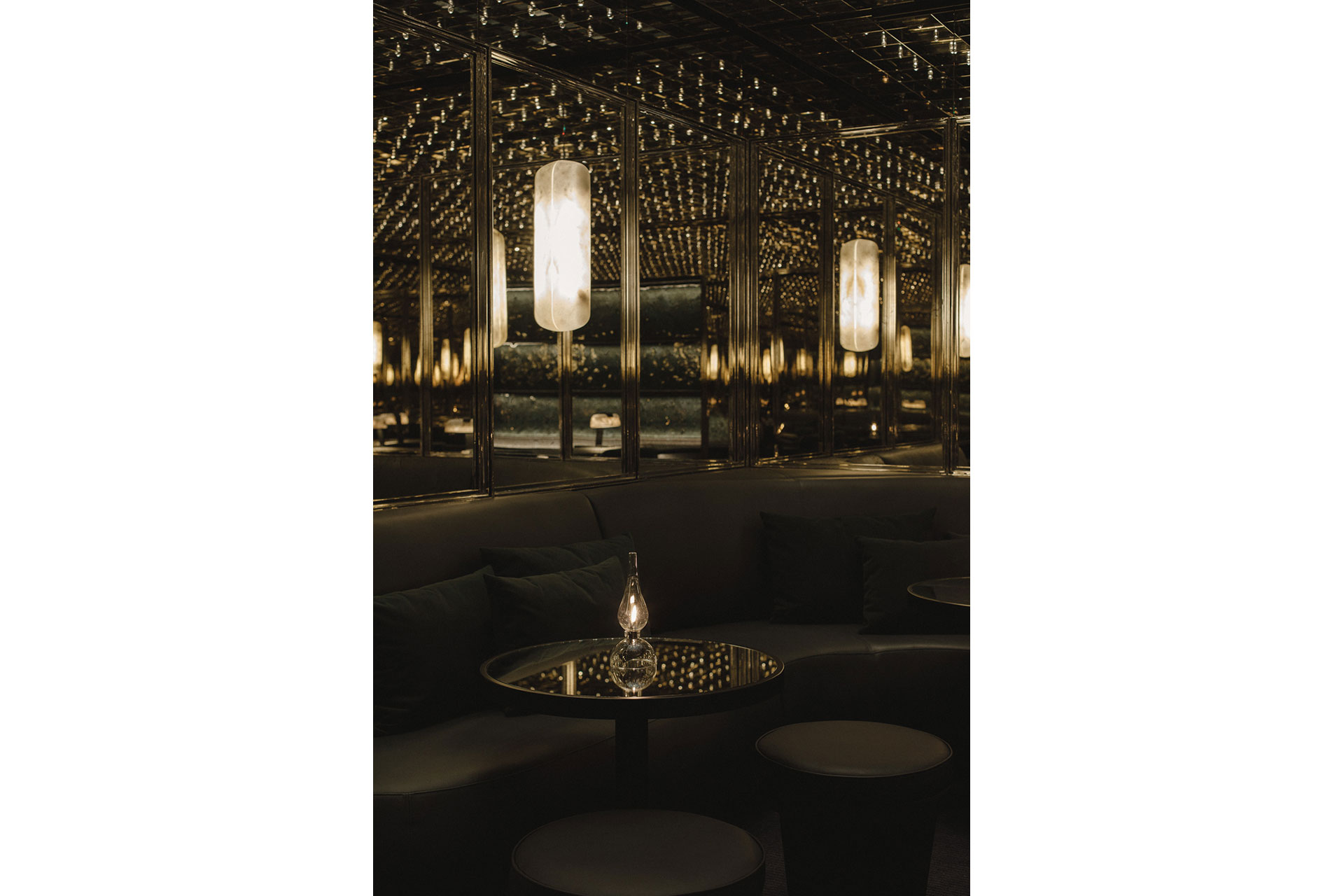
Descending the stairs, you are greeted by the Mirror Room, a cocktail bar where the play of reflection takes center stage, transforming the space into a seductive threshold between the bustling city above and the sensory experience that follows. Over eight hundred points of light flirt with perception and depth, multiplying endlessly across mirrored surfaces to create the illusion of an infinite space, where shifting intensities of light choreograph a moment of pause.
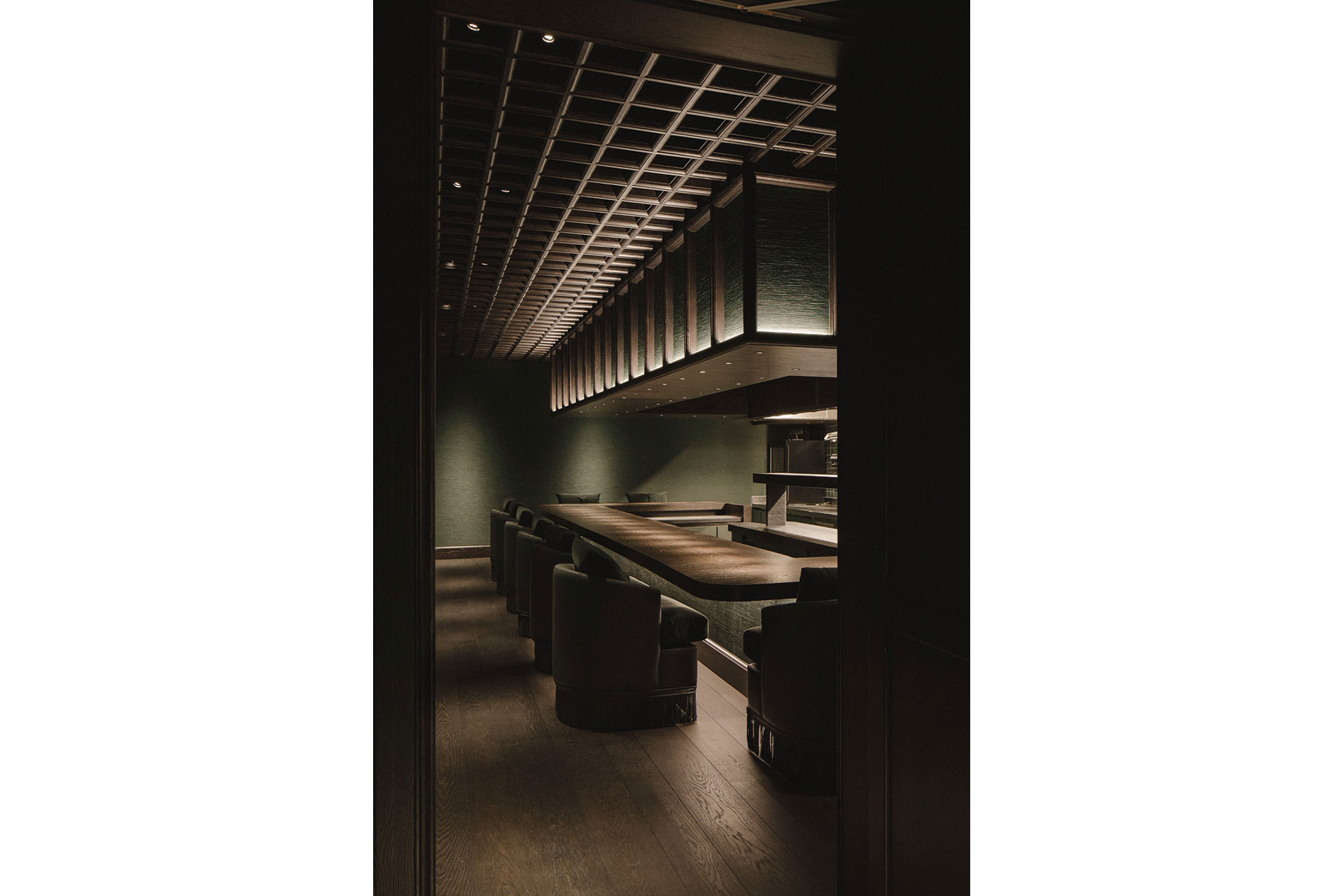
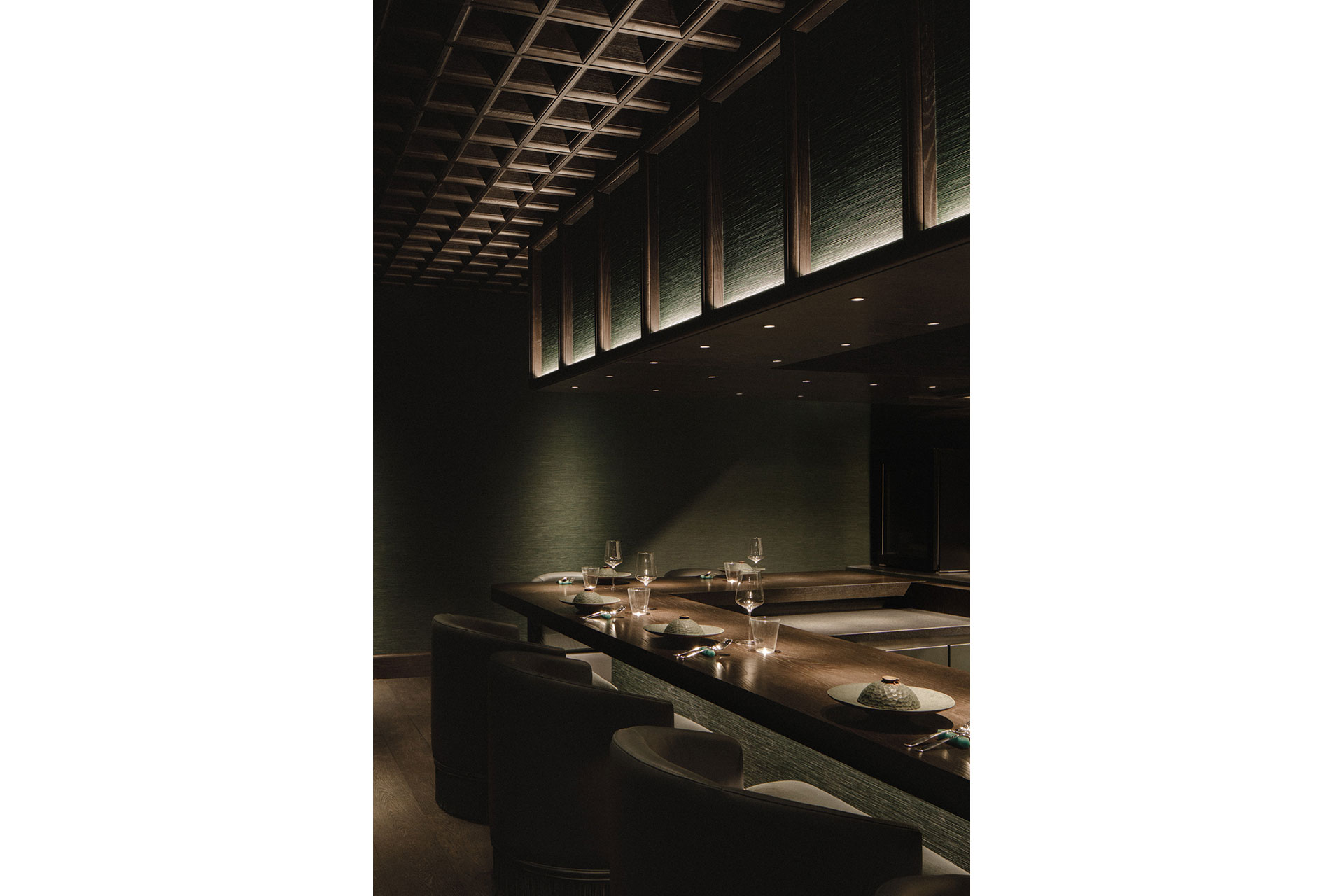
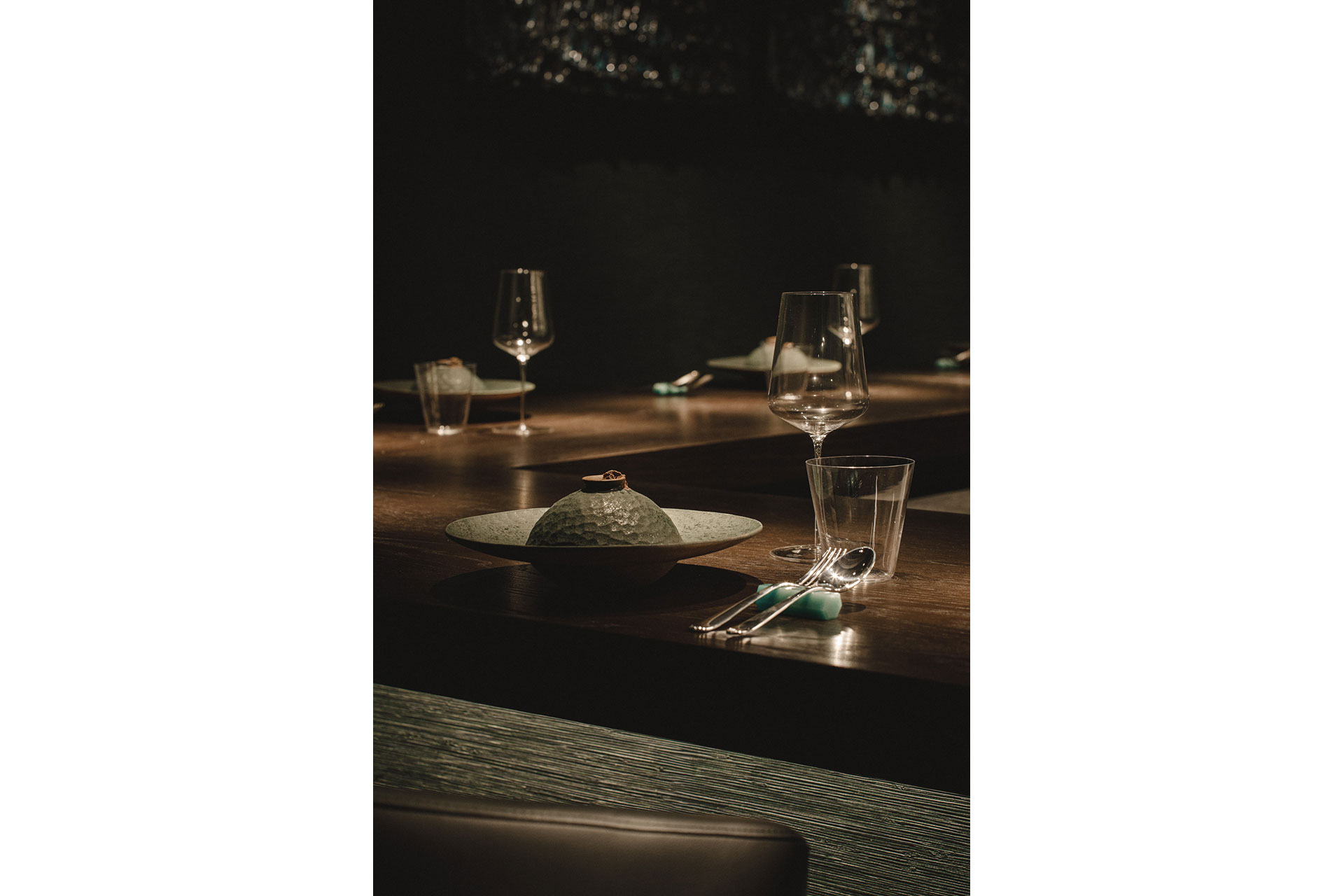
This sensual prelude guides visitors toward the next stage of the experience. Crossing from the Mirror Room into the Table Room, the lighting narrative shifts dramatically. Reflection gives way to concentration, expansiveness yields to focus. Here, darkness is no longer merely atmospheric, it becomes a tangible, material. Architecture recedes almost entirely into shadow, allowing the dining table to emerge as the central element.
Light is applied with precision, illuminating the ritual of dining rather than the space itself. Each seat is framed by intimate warm light, directing attention to the food, the hands, and the shared experience around the table and the chef.
In contrast to the infinite reflections of the bar, the Table Room feels contained, tactile, and deliberate. The project establishes a clear narrative arc, from the expansive and playful to the intimate and ceremonial. Light becomes the principal storyteller, shaping emotional transitions and redefining how space is perceived.
The lighting strategy employs low-glare fixtures, precision optics, and layered control systems to achieve subtle gradients and exact focal points. Reflections are carefully orchestrated to enhance depth without overwhelming the senses, while efficient light sources and adaptive control allow the atmosphere to evolve over the course of the evening, accompanying each distinct moment.
Through the choreography of reflections, shadows, and focused illumination, a hidden Lisbon basement is transformed into an experiential sequence: an invitation to cross a threshold, lose oneself in infinite mirrors, and ultimately gather around a table defined by light, presence, and ritual.