

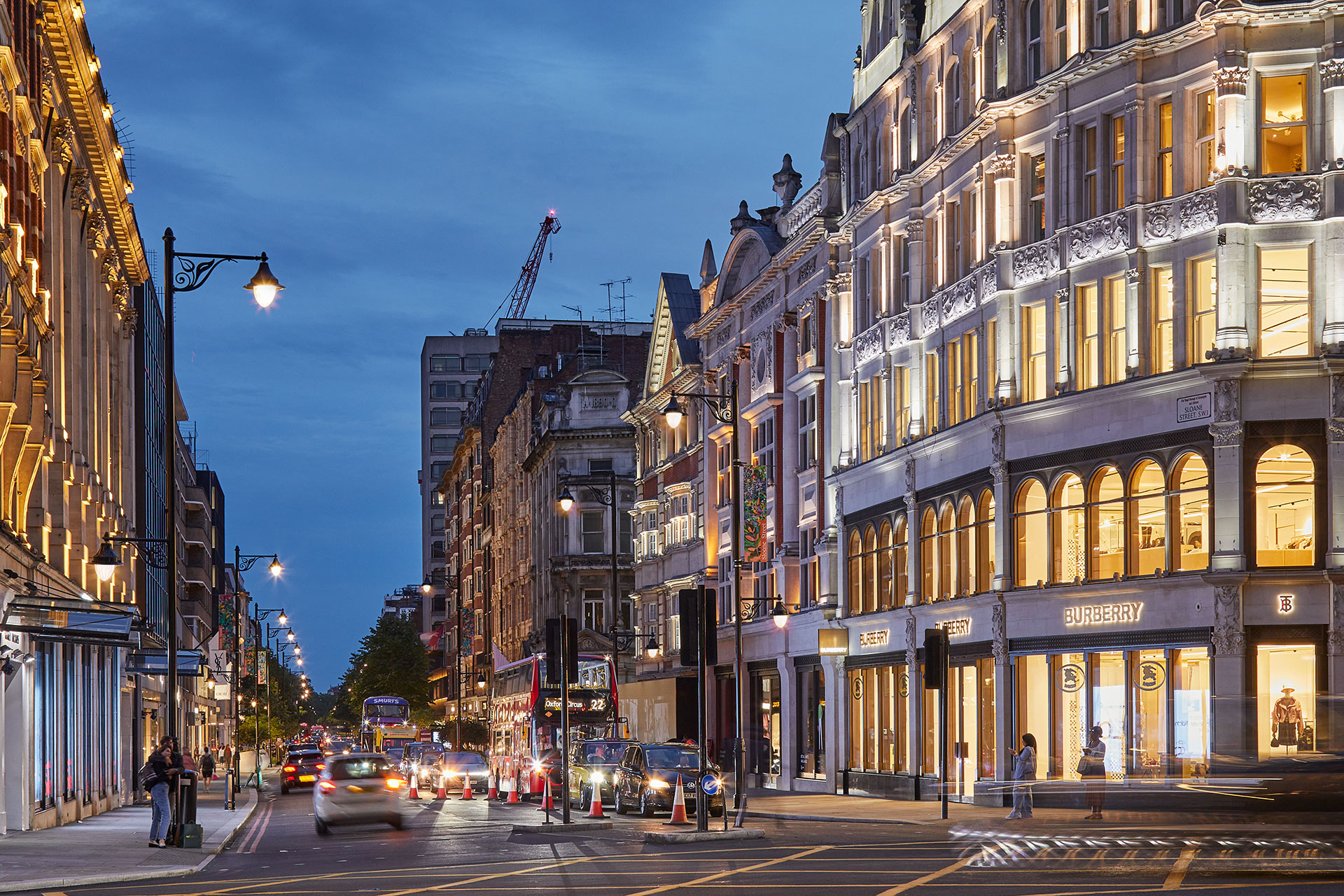
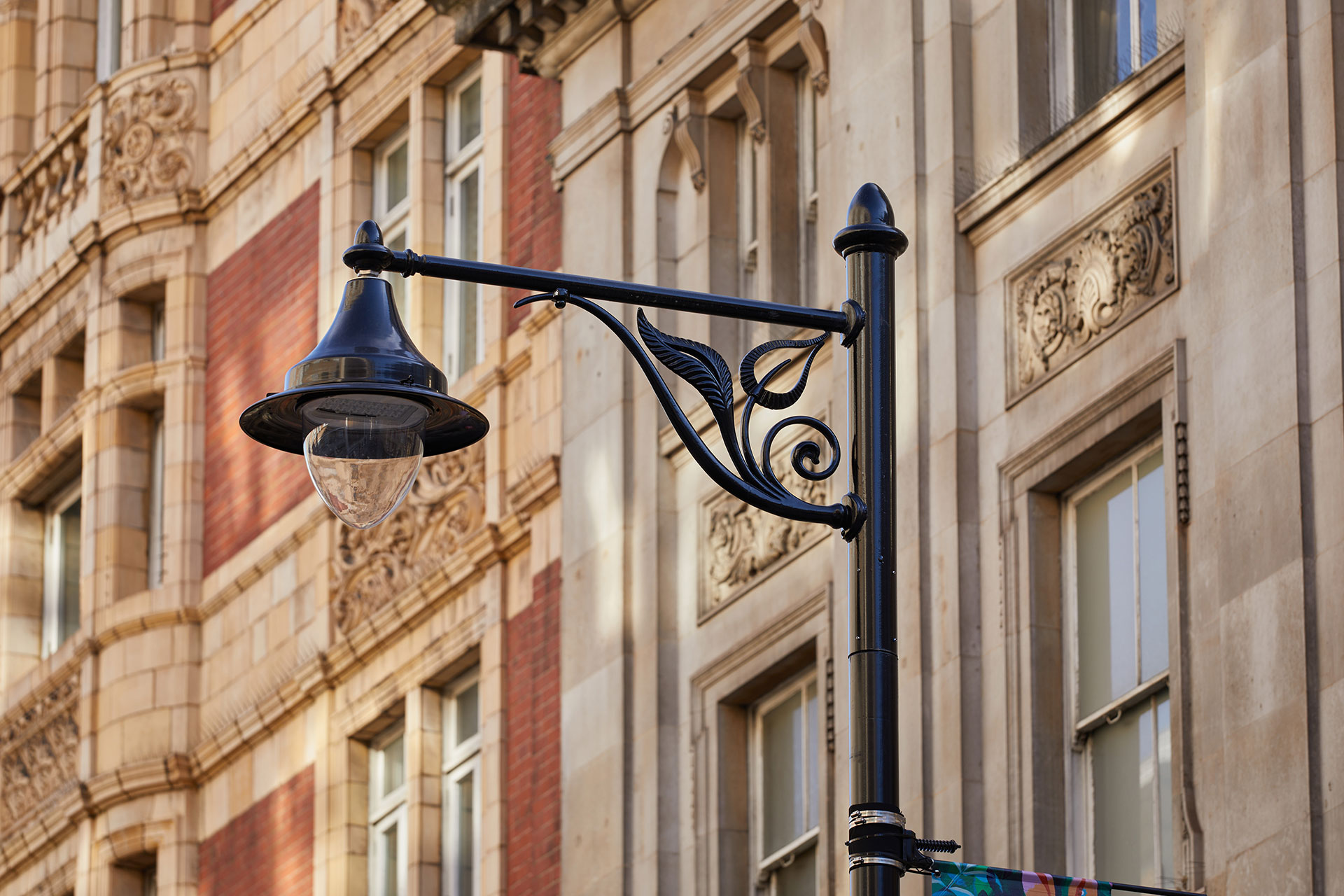
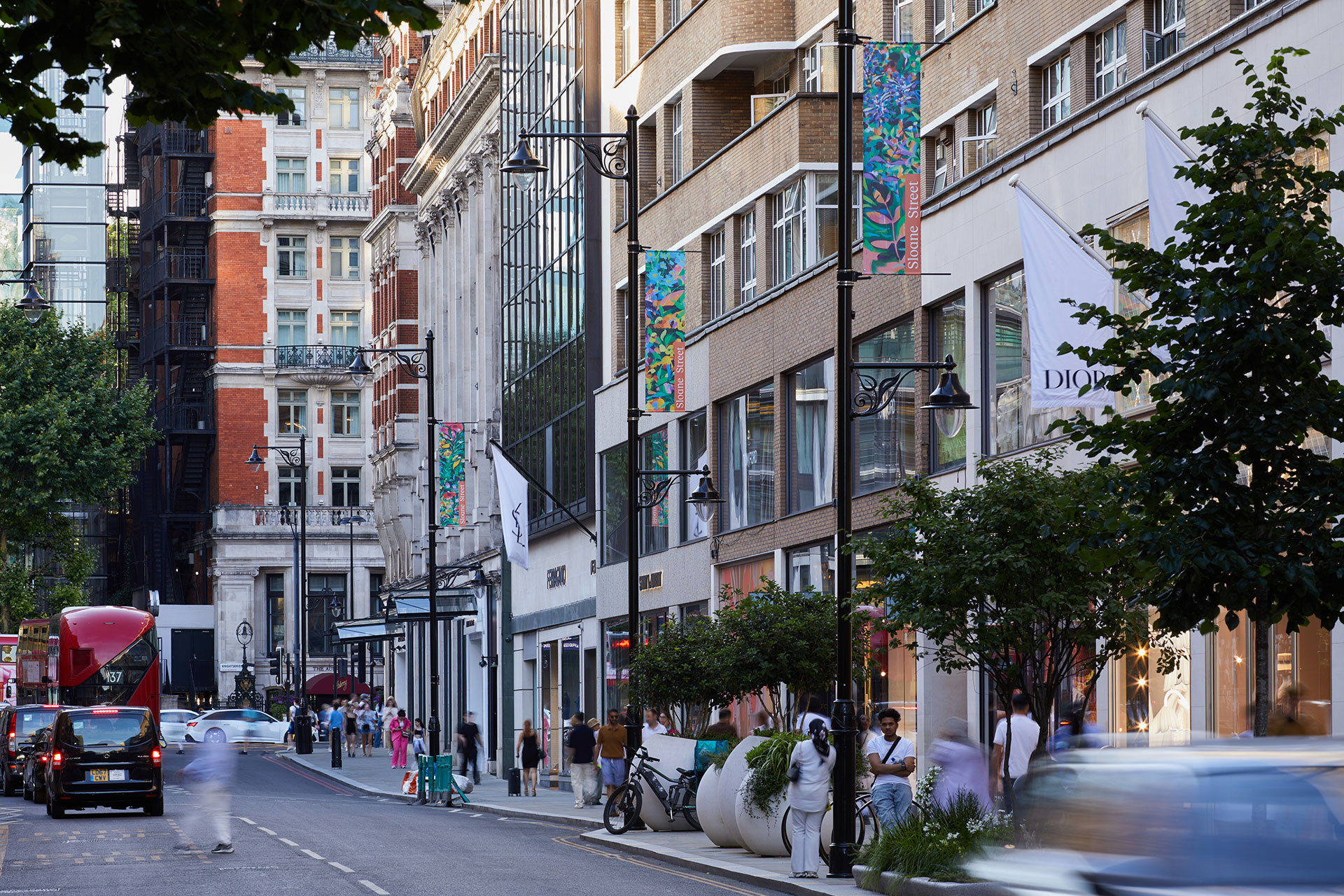

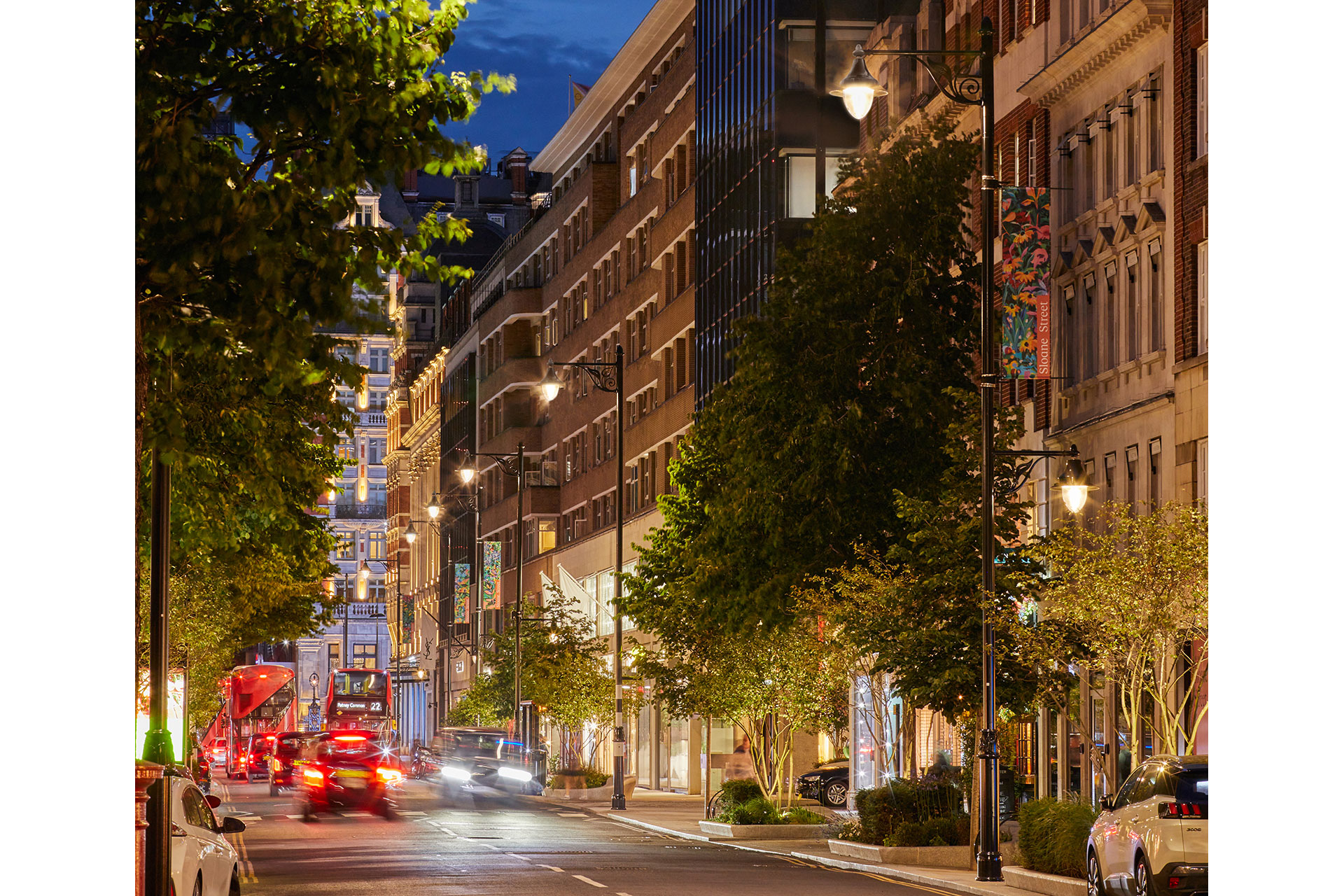
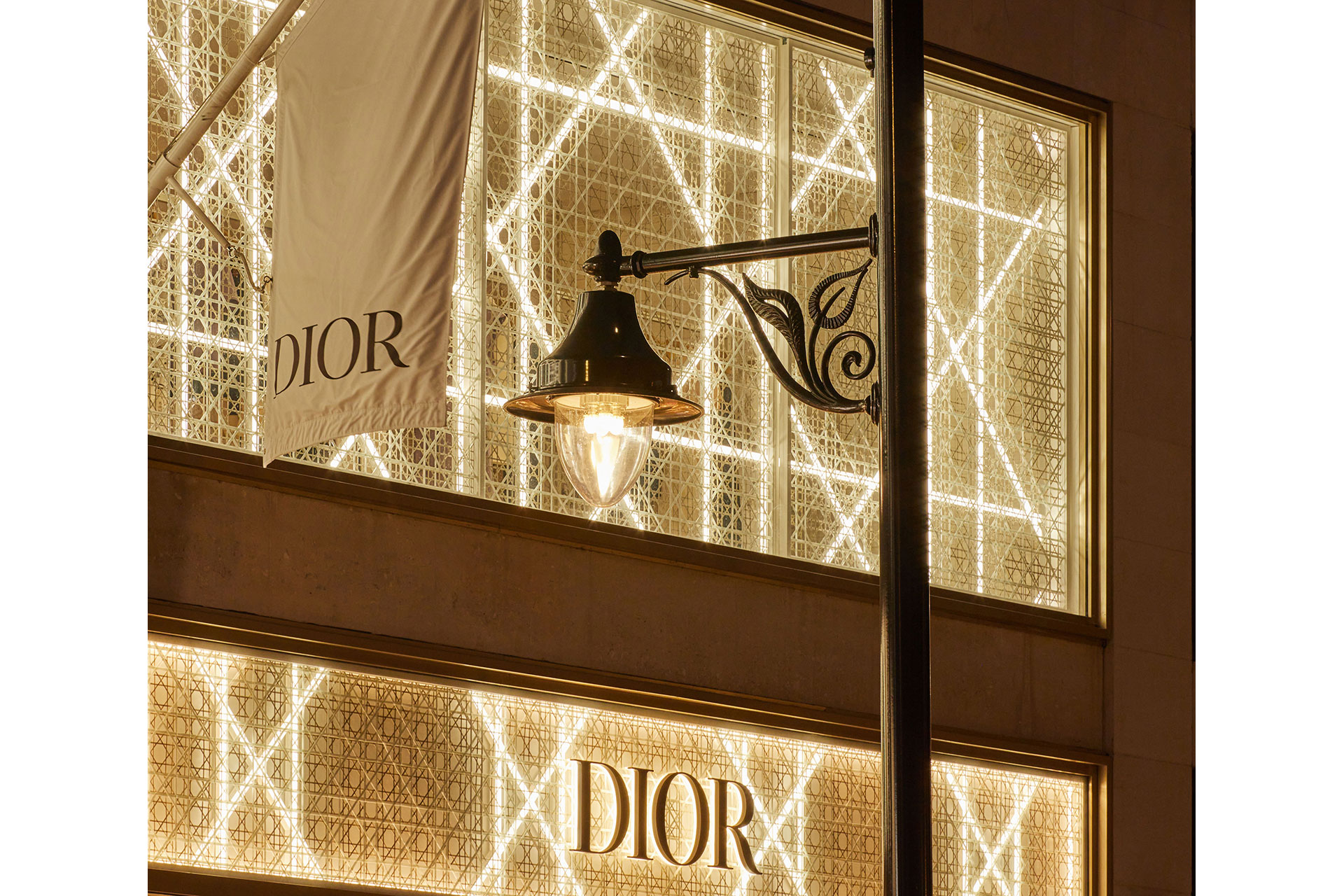
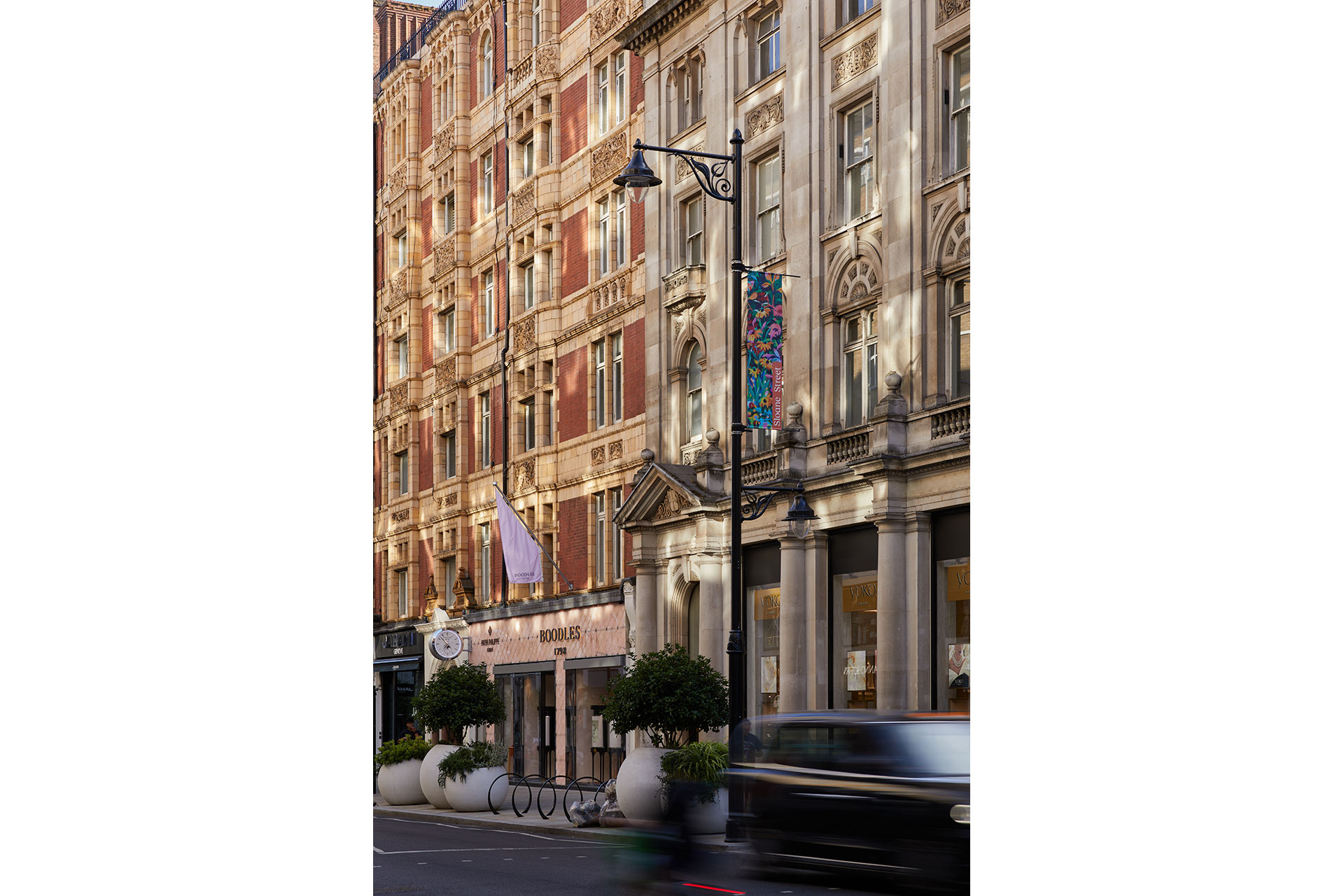
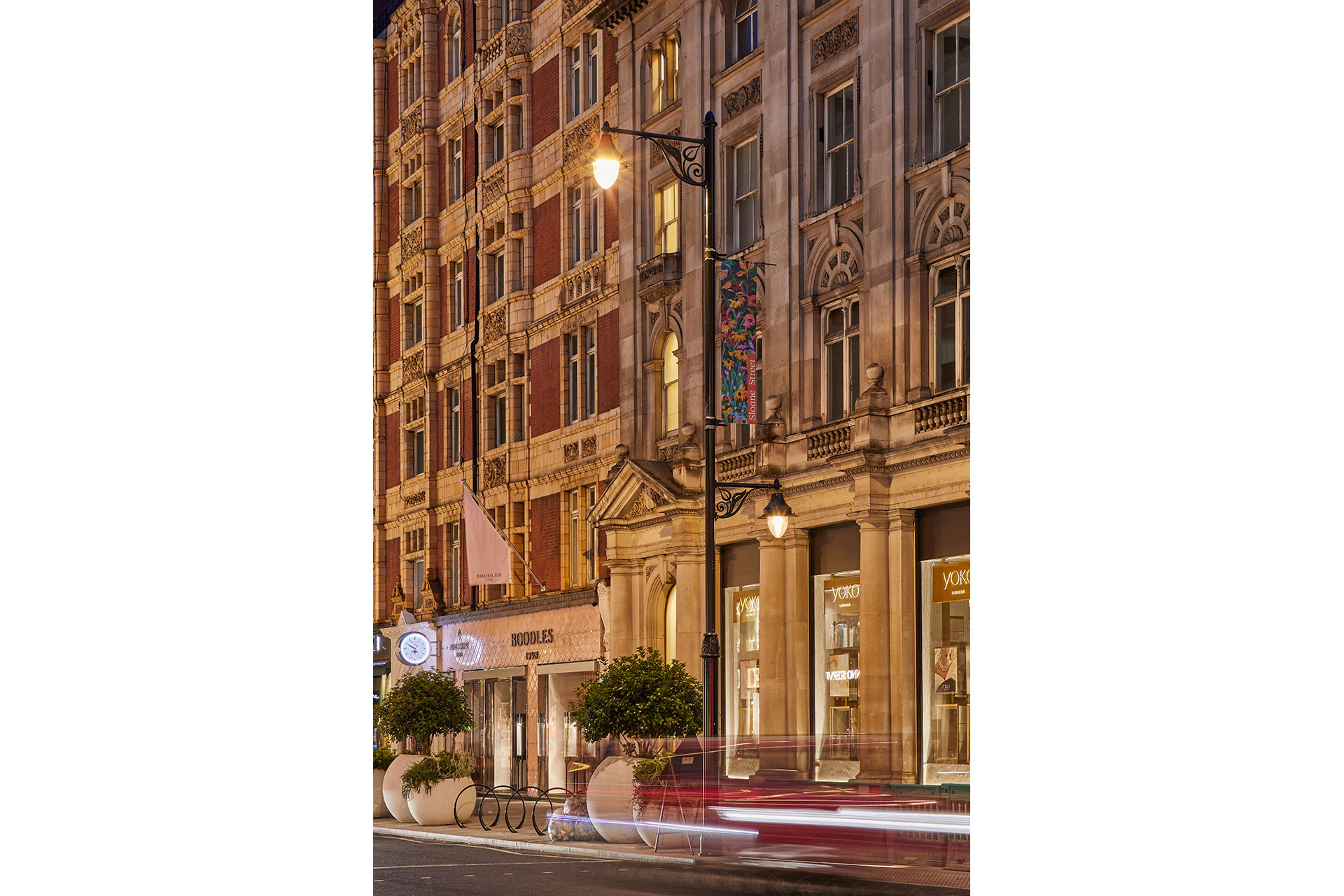
The newly completed lighting for Sloane Street has resulted in a bespoke column that is unique to one of the world’s most exclusive luxury destinations, it also propvides a greatly improved lit effect to the street that minimises disruption to people and the surrounding ecology.
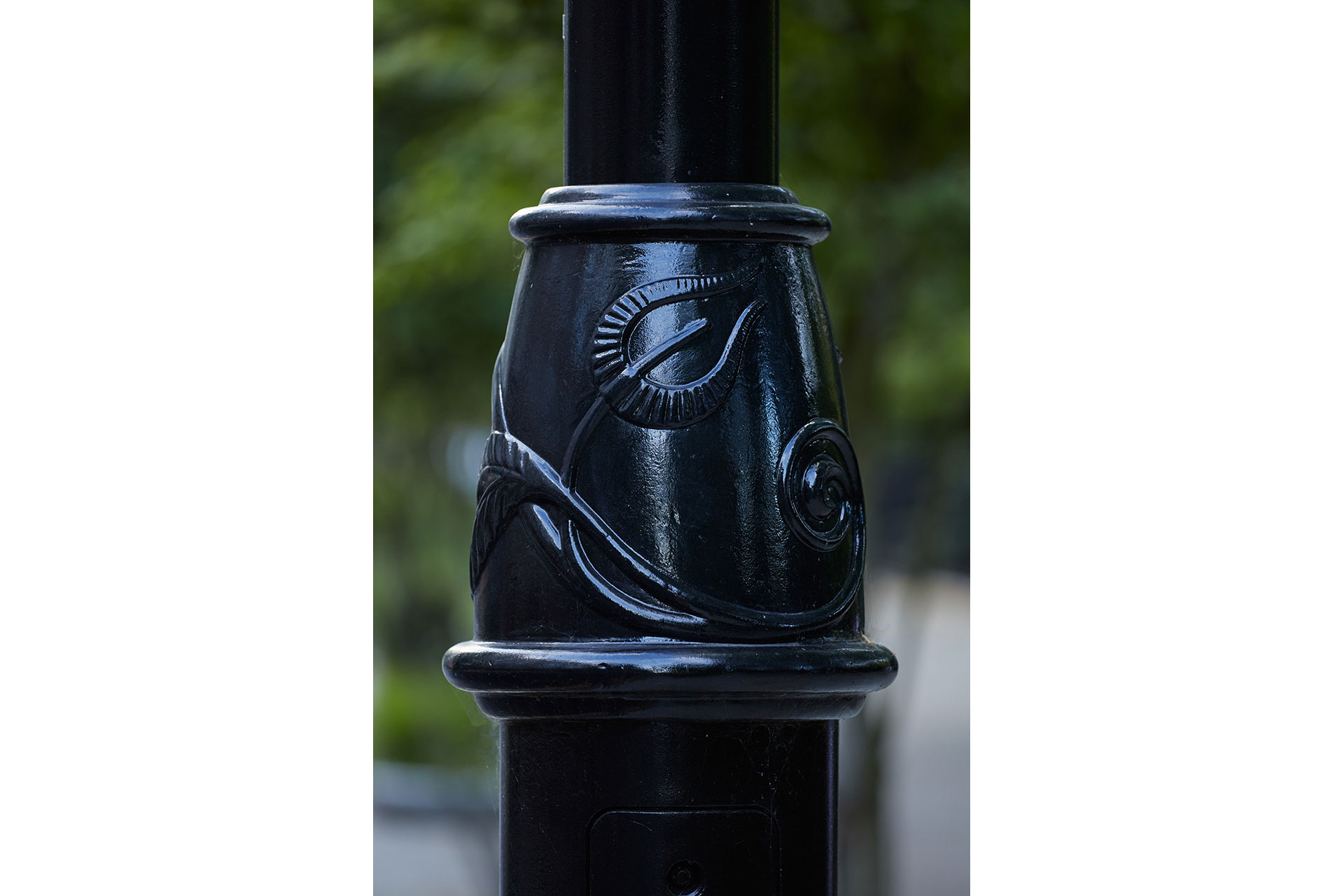
Collaborating with Cadogan, Urbis Schreder, The Ironwork Studio and John McAslan and Partners a bespoke column was produced delivering an aesthetic that wasn’t to be found on the existing lighting market. The column was part of a lengthy design process exploring multiple design typologies ultimately culminating in a more traditional aesthetic. Inspiration was taken from Holy Trinity Church and its arts and crafts influenced interior.
From hand sketches to physical models and a full scale mock up, embellishments were cast and assembled to create the finished column design. The light sources were carefully considered, in particular the low level pedestrian light. This was given a much softer aesthetic to ensure it created no glare but became a reassuring feature within the streetscape.
The existing street lighting consisted of 4,000K discharge lamps with poor optical control. They cast high levels of illuminance on building facades, particularly along the central part of the street, which includes many residential properties.
New LED light sources have been used to achieve a 50% energy saving across the entire street, while enhancing uniformity.
The adoption of LEDs also enabled improved optical control, greatly reducing spill light on residents’ facades. This helps minimise disruption to people’s circadian rhythms and supports melatonin production at night. The use of warmer light with a CCT of 3,000K that contains less blue light than the old discharge lamps further supports human health.
The warmer light also lessens the impact on surrounding wildlife. Not entirely, but more so than the previous 4000k. It also results in less scatter into the night sky. This, combined with improved optical control, limits the amount of spill light entering the park that borders much of the central area.
Even with a considerate spectral distribution from a light source. It becomes more crucial than ever to ensure that the light levels we design to are not excessive. The appropriate illuminance level was discussed and evaluated, revealing that the previous light levels were higher than necessary. Lower levels were implemented in the final scheme, and with improved uniformity, CRI, and optical control, it felt like the conditions had been greatly enhanced.
Additionally, intelligent drivers were employed to further reduce the light level during the hours of 12am to 5am when traffic volume is lower.
Simple measures within a street lighting scheme can combine to substantially reduce the harmful effects of artificial lighting at night on humans and local ecosystems, while still improving the night-time experience.