

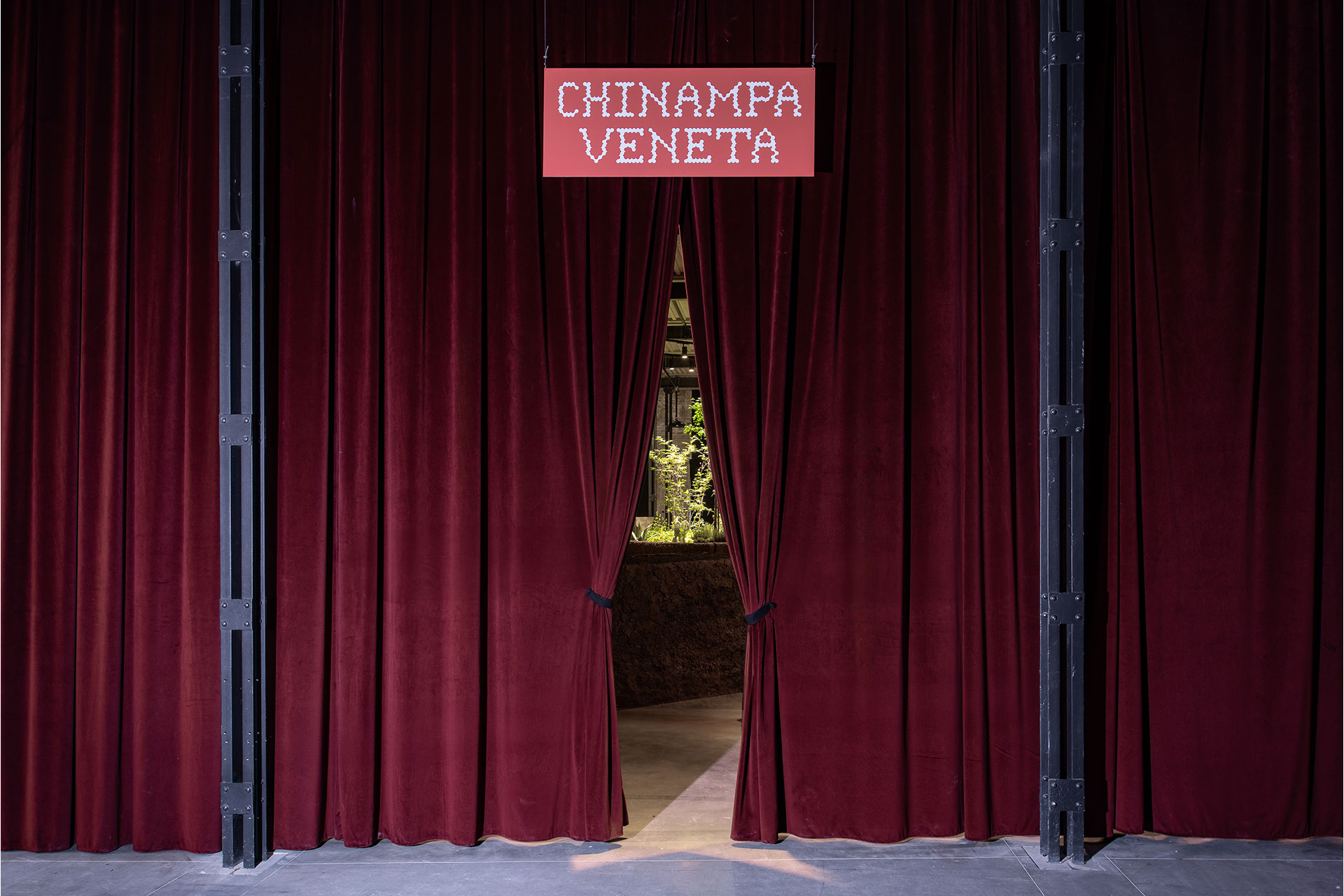
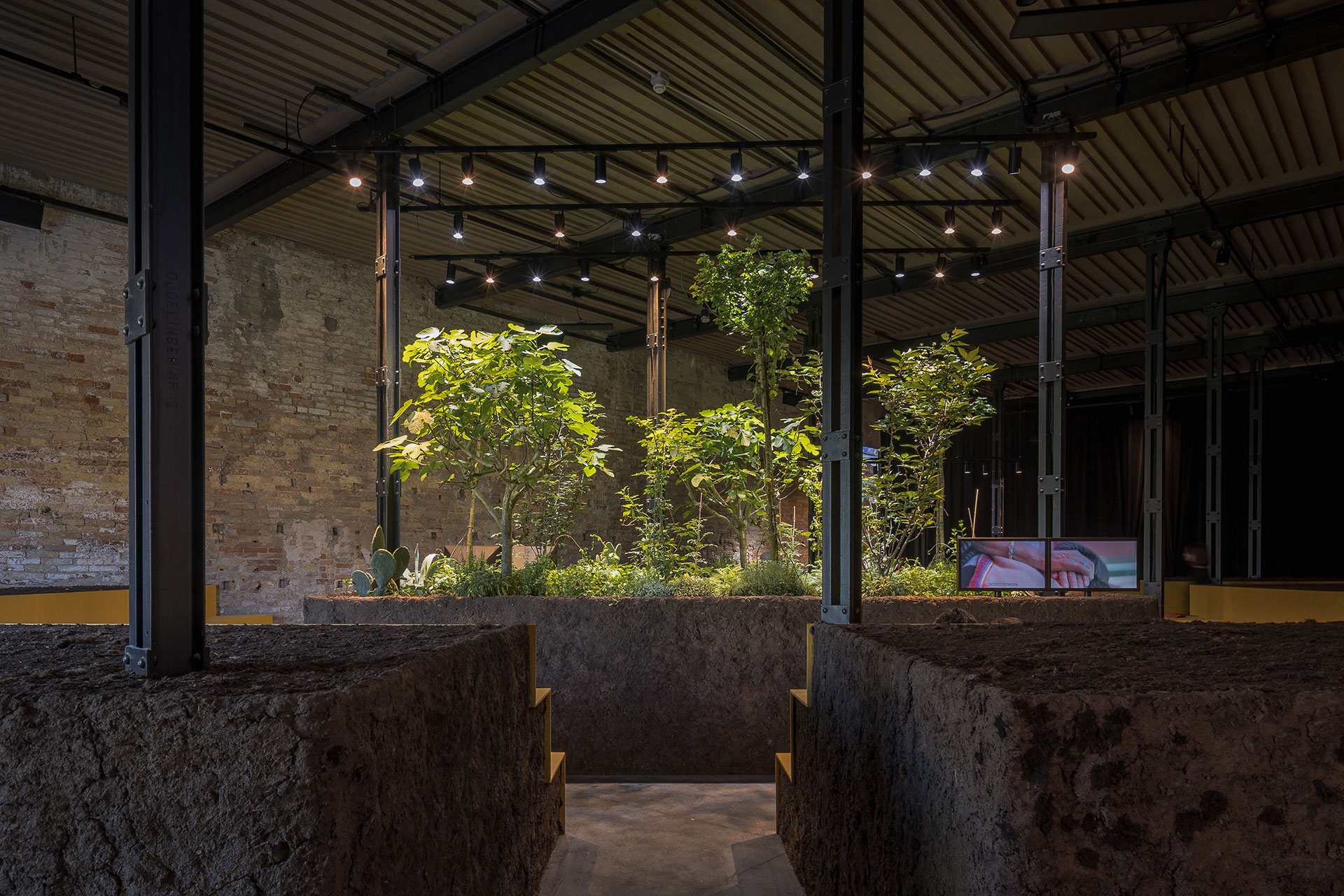
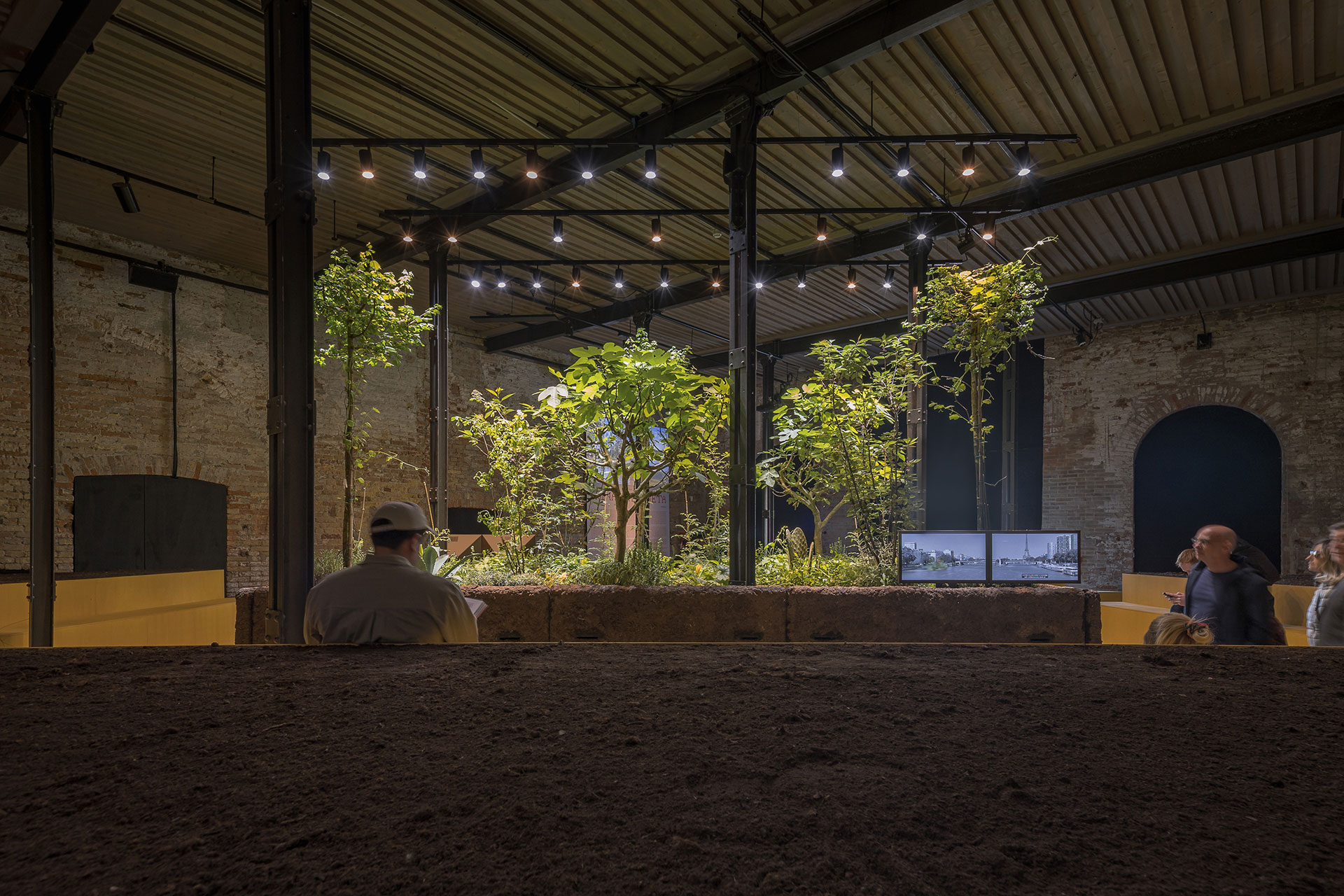
Chinampa Veneta is the name of the collective and exhibition project created to represent Mexico at the 2025 Venice Architecture Biennale, within the Mexico Pavilion. At its core, it is a contemporary interpretation of the chinampa—the Mesoamerican lake-based agricultural system—adapted to the context of the Venetian lagoon. It brings together architecture, ecology, agro-lighting, territory, and technology to create a living installation that produces food inside the Venice Arsenale.
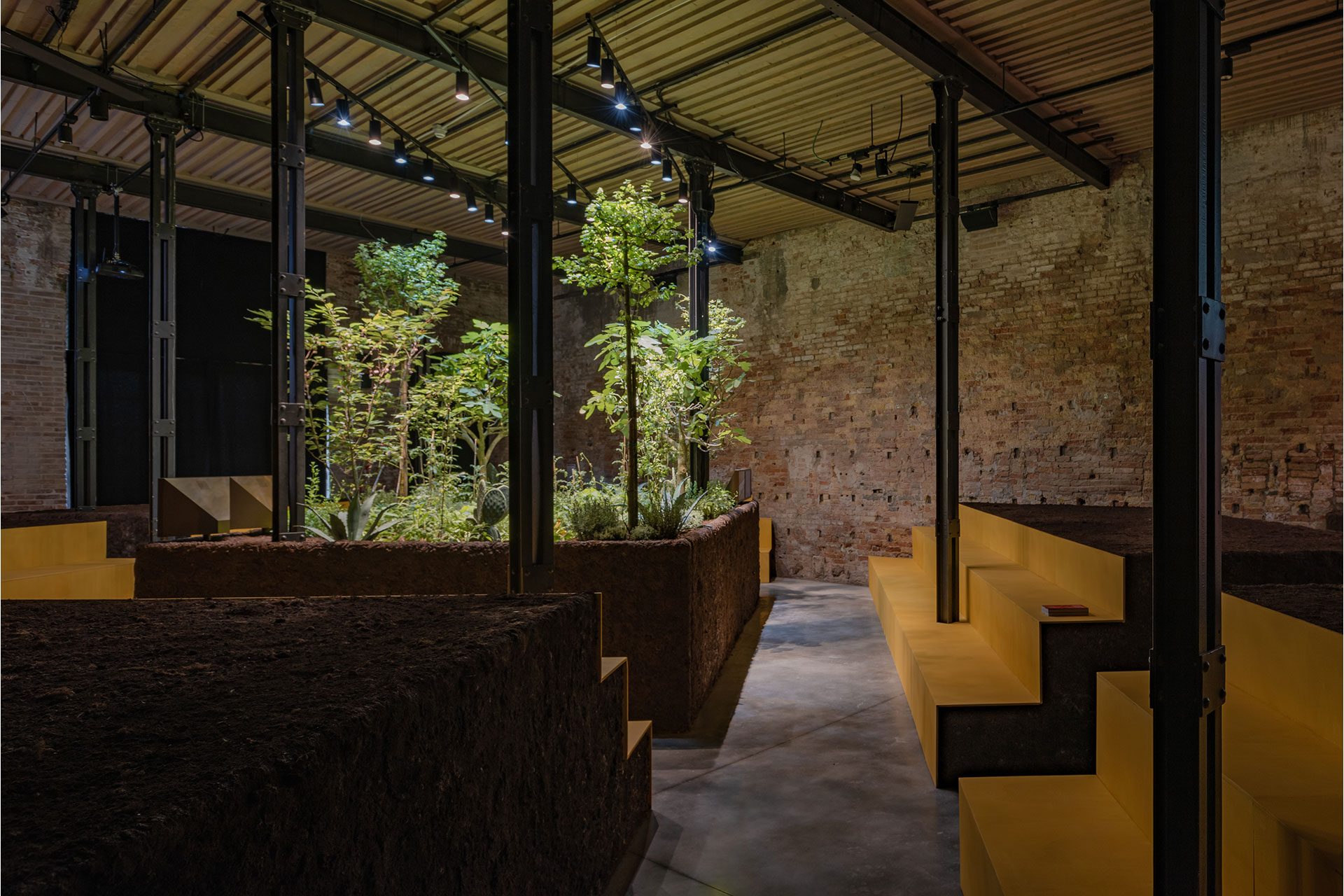
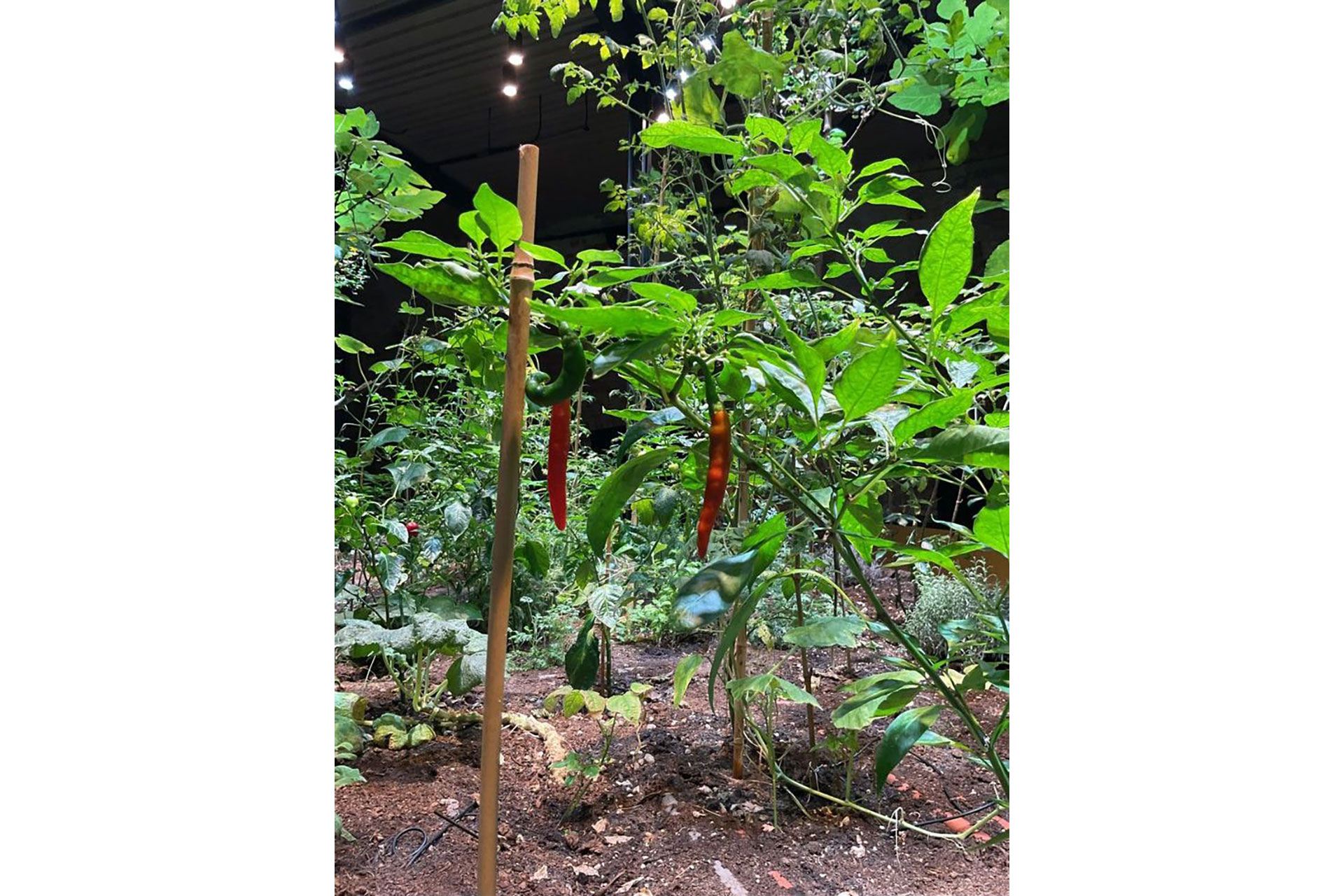
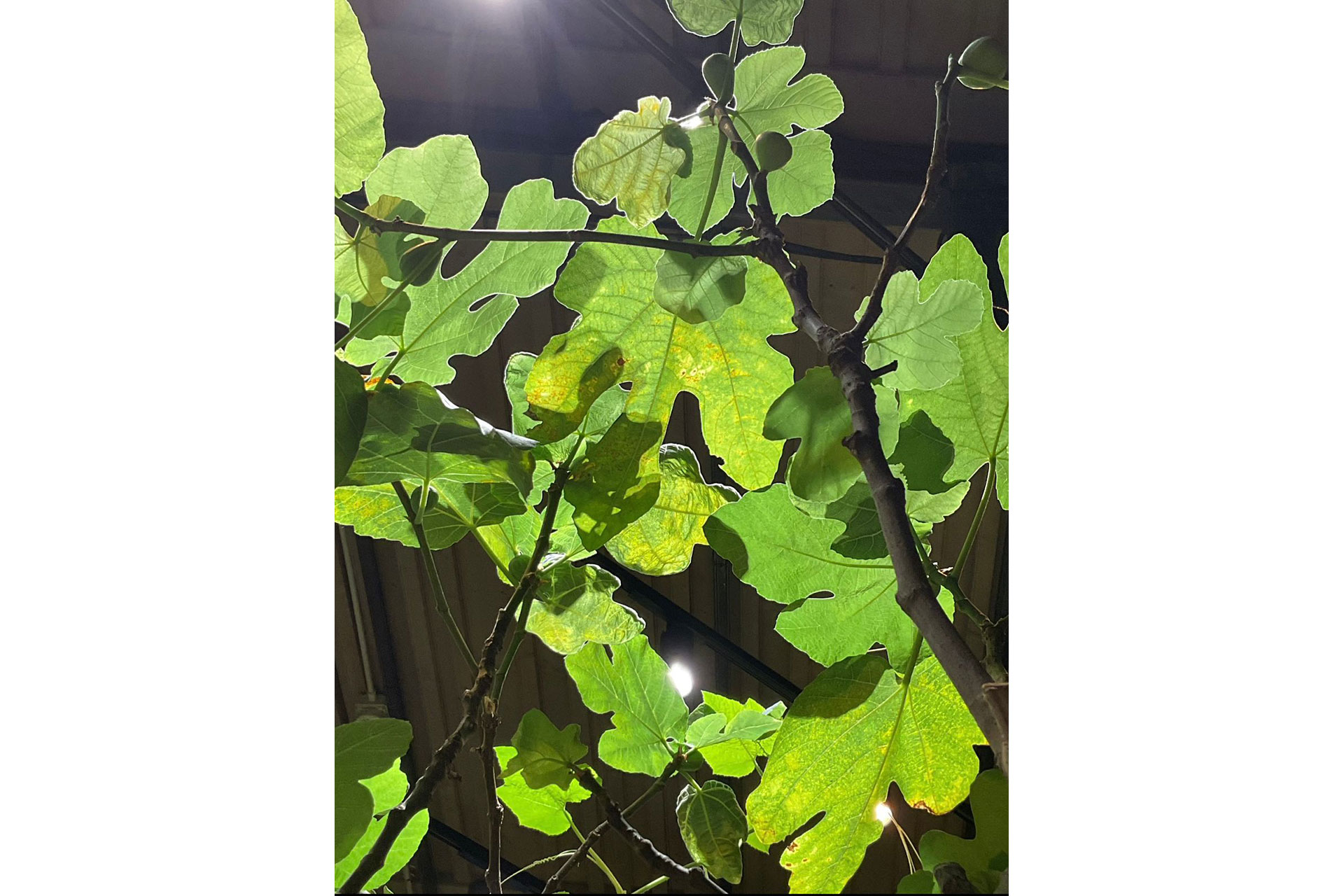
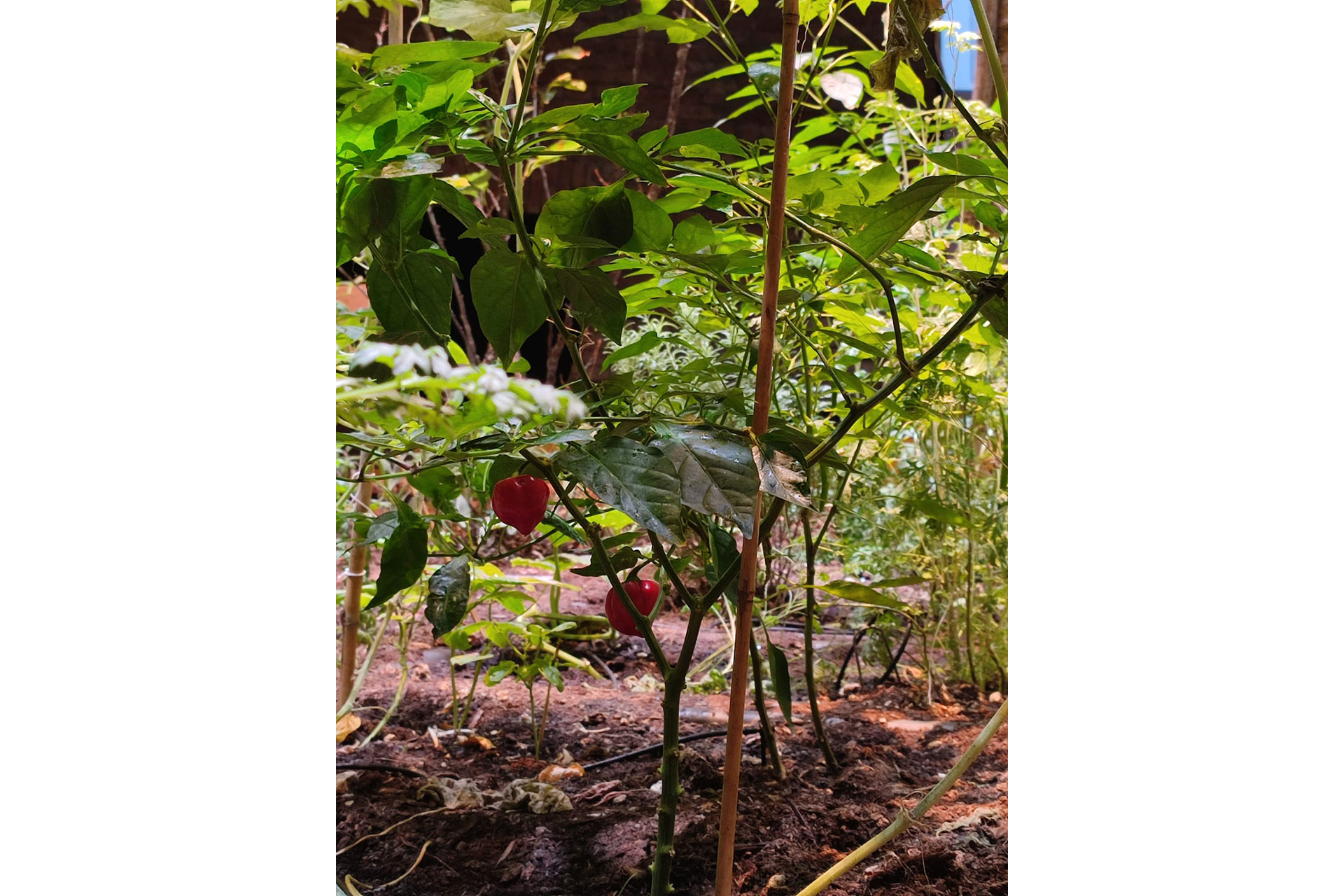
Chinampa Veneta is a hybrid ecosystem that brings together regenerative agriculture, advanced horticulture—including specialized cultivation lighting—architecture and design, research on water, wetlands, and resilience, and a collaborative exchange between Mexico and Venice. The installation recreates the idea of a floating chinampa, reinterpreted for the Venetian context: it incorporates both local and Mexican plant species, lightweight structural systems, hydronic growing methods, and lighting specifically designed to support plant development. This horticultural lighting, developed as part of ILWT’s contribution, is a central component of the project’s living, evolving character.
The lighting design for this project took us beyond our usual scope. As an architectural lighting studio, we typically work on residential, office, real estate, hospitality, and commercial spaces. We had never designed a lighting system intended to keep plants alive—and make them produce flowers and fruit—indoors without natural sunlight. The installation is located in the Arsenale of Venice, home of the Venice Architecture Biennale. This year we were selected by INBAL, the Mexican institution responsible for culture and the arts, and we were asked to recreate a chinampa inside a space with only one small north-facing window, far from ideal conditions for an agroforestry system.
Two main challenges emerged. First, this was not a greenhouse. Greenhouses generally rely on natural light and use artificial lighting as a complement, and they often host monocultures, meaning one type of luminaire can be repeated endlessly. Our setup, instead, was an agroforestry system in which every plant species had different spectral needs. Some required more infrared, others more ultraviolet, and each demanded precise radiation levels. This led us to design and fabricate custom luminaires in Mexico together with Omar Reul of Signl. We developed grow-light fixtures using LEDs imported from China, calibrated with the spectrum and intensity necessary for the mounting height and the species beneath them. All components were manufactured and assembled in Mexico, then shipped to Venice. The control system allows each luminaire to be independently adjusted to deliver tailored light to each plant.
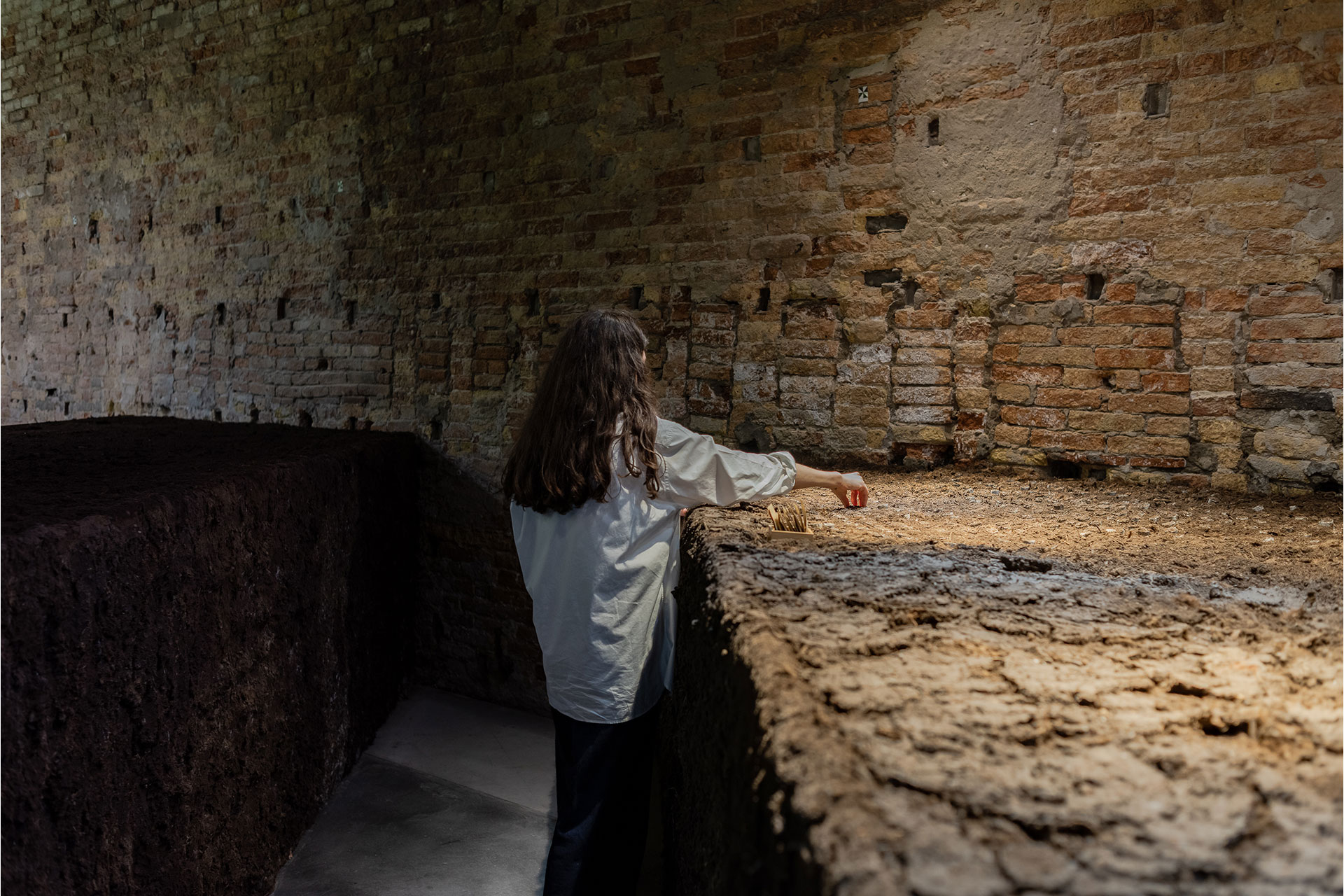
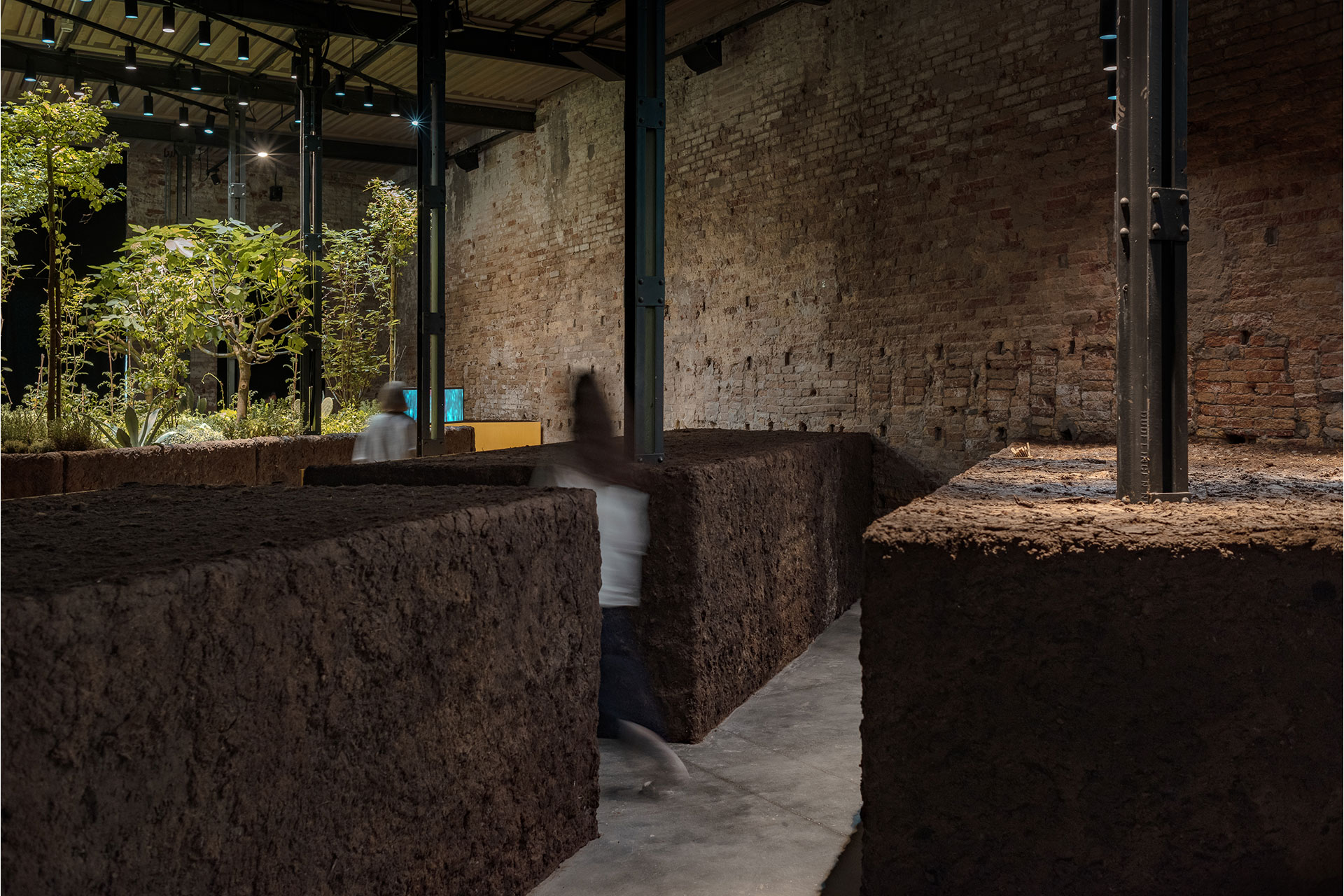
The second challenge was aesthetic. Since this is an architecture biennale, we wanted to avoid any resemblance to a clandestine grow room. We designed the fixtures with a more theatrical look and a concentrated beam to highlight the “wounded chinampa”—a metaphor for ecological erosion that visitors could help regenerate by planting a seed and nurturing it with water and light. The central chinampa, filled with mature plants, is illuminated to support growth and fruiting throughout the seven-month biennale, while the rest of the lighting provides only what is necessary for safe circulation, allowing the chinampa to remain the protagonist of the installation.