

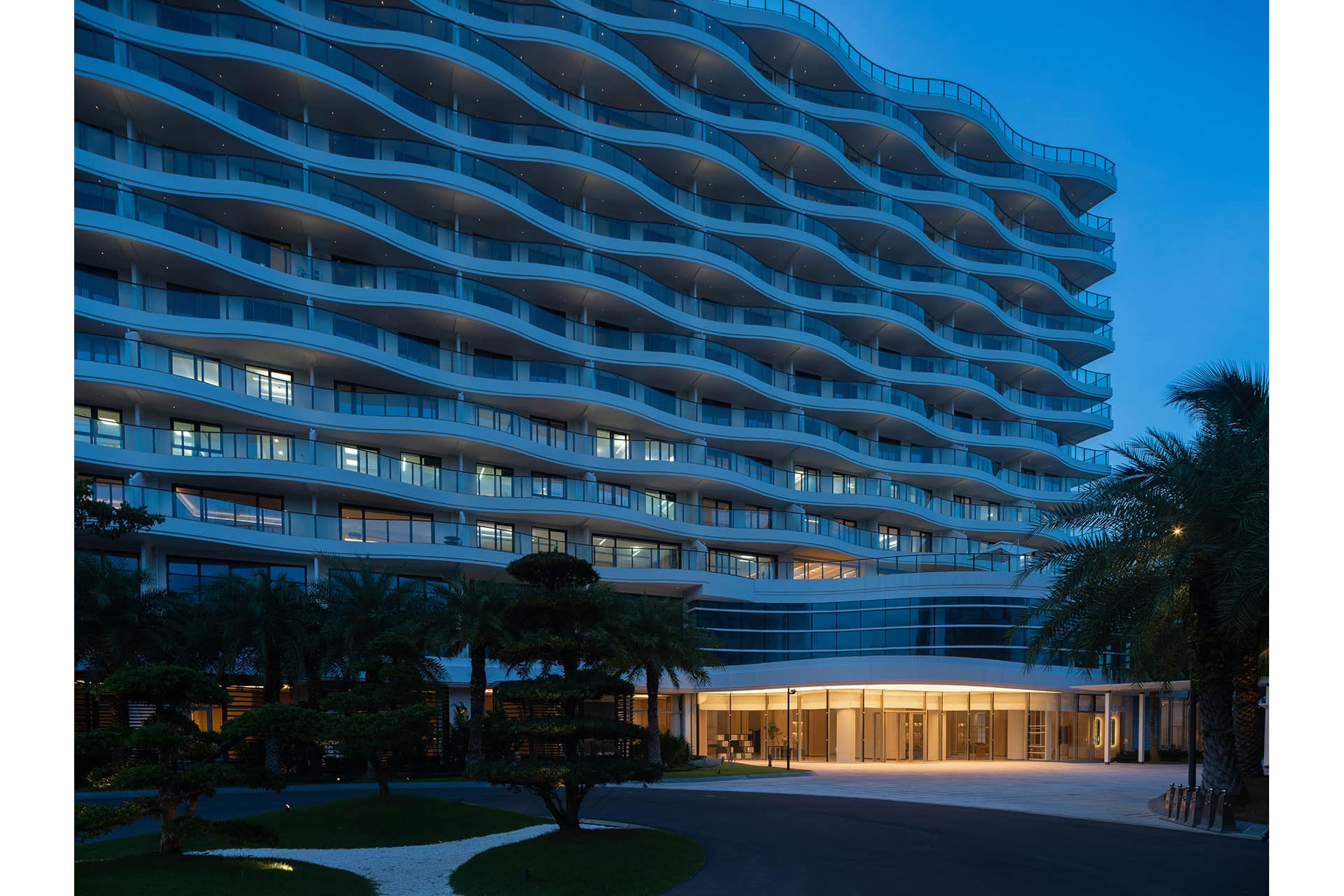
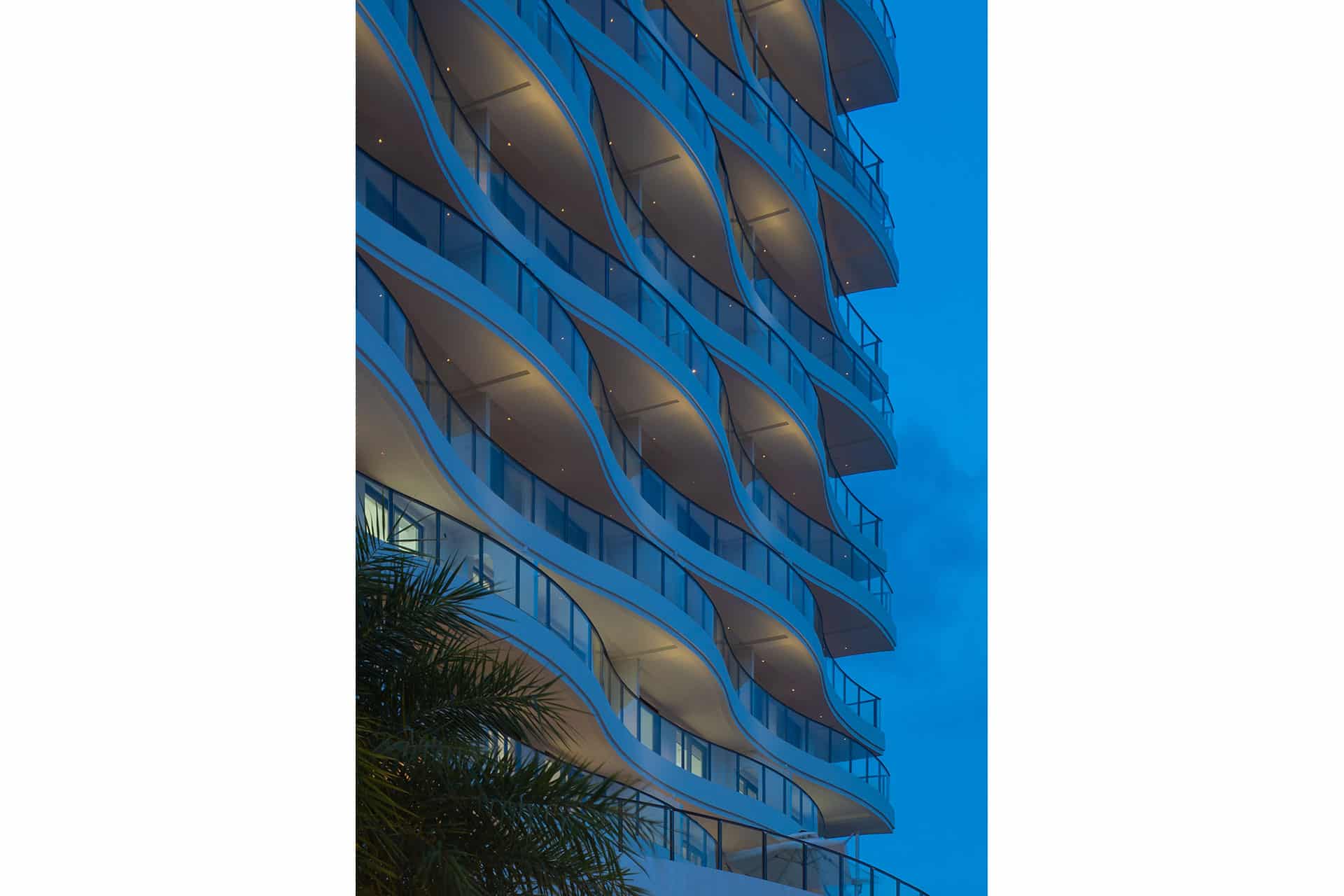
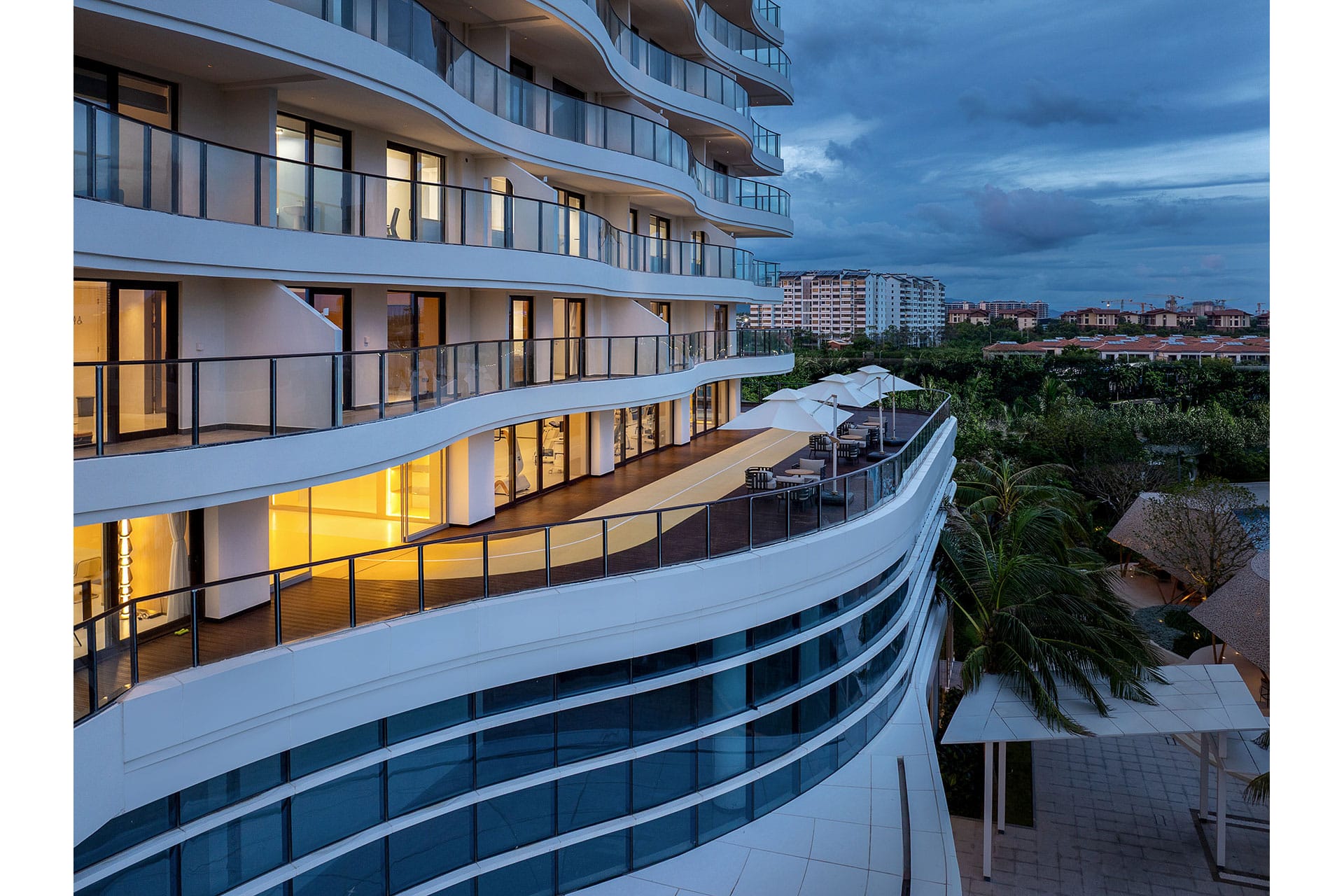
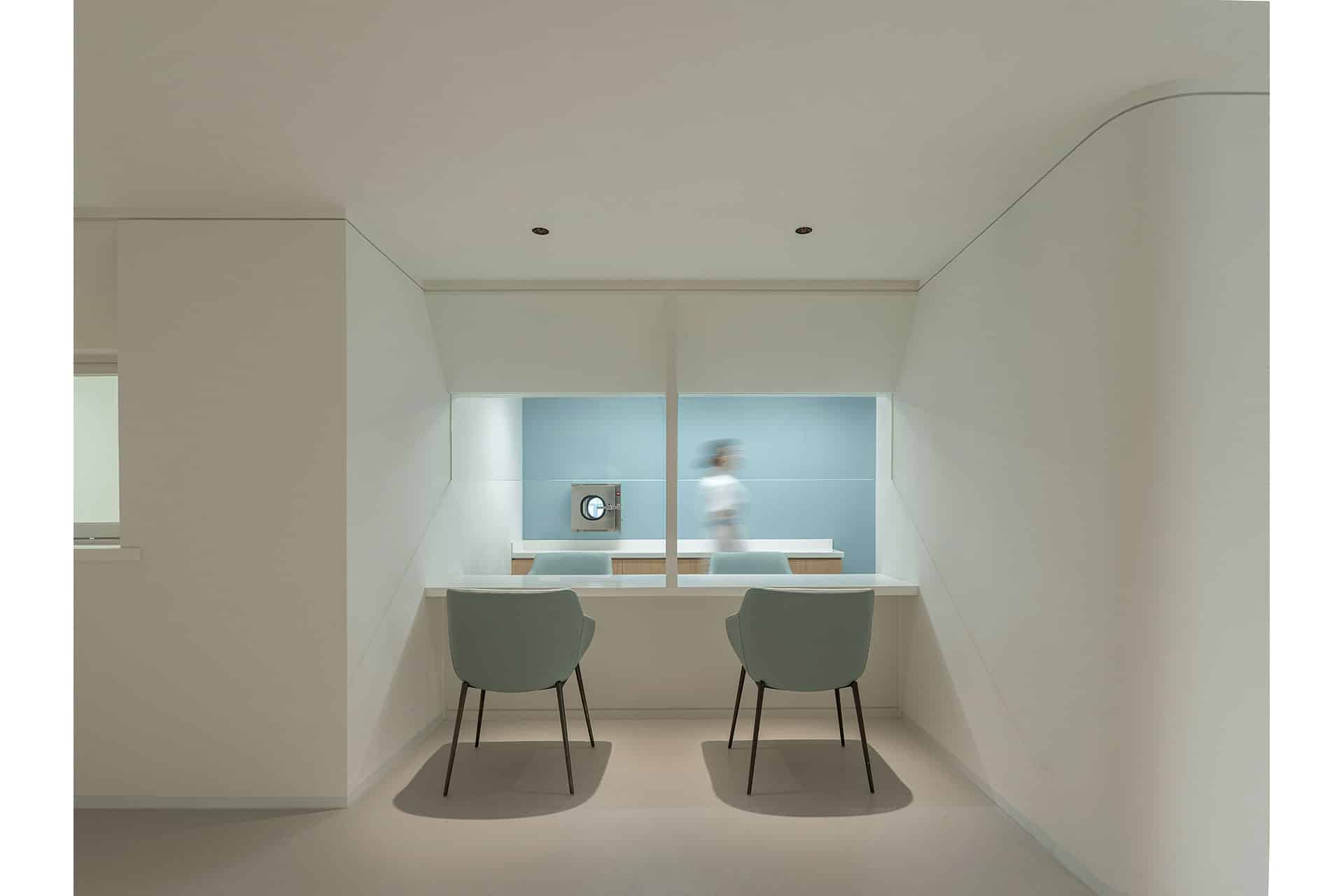
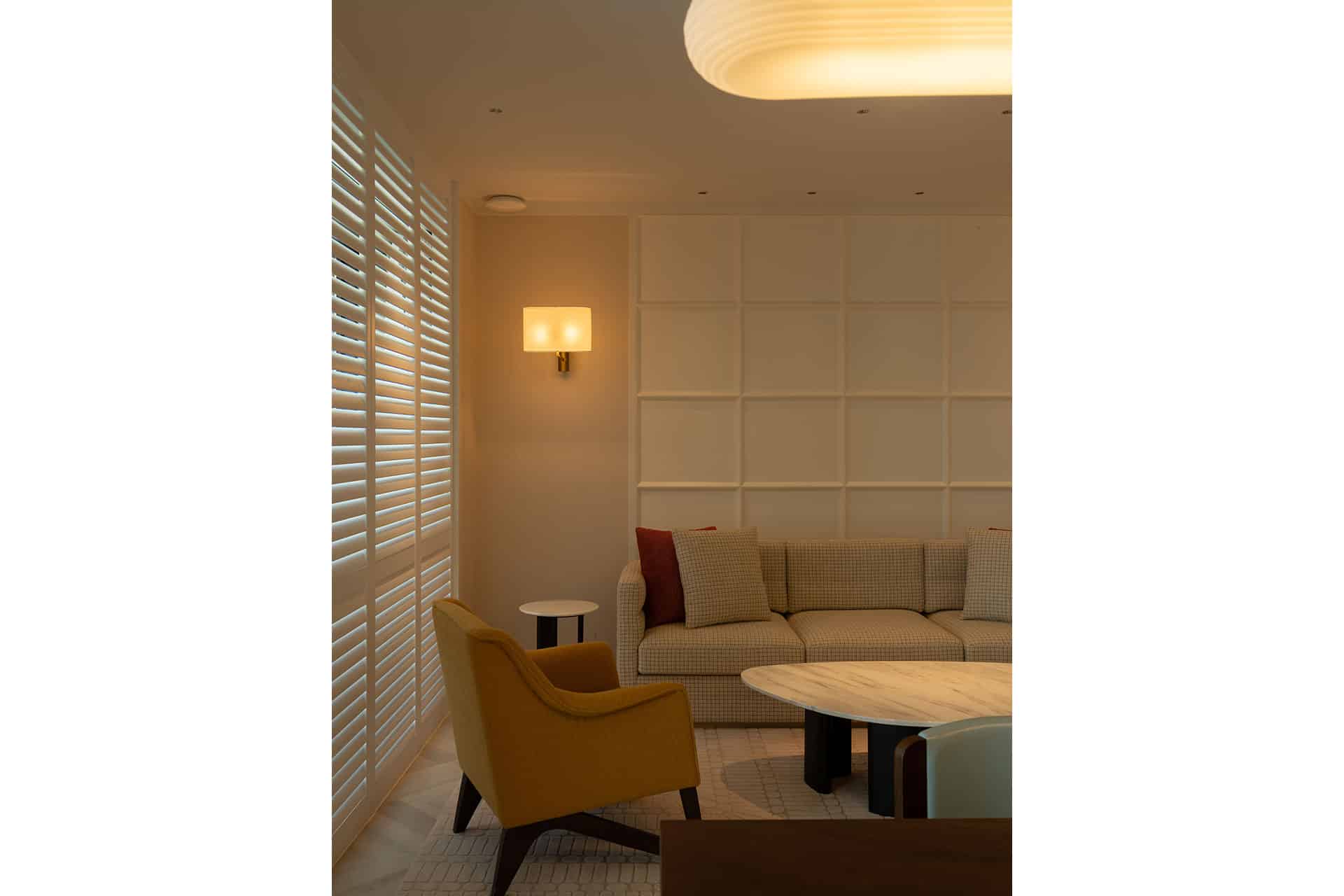
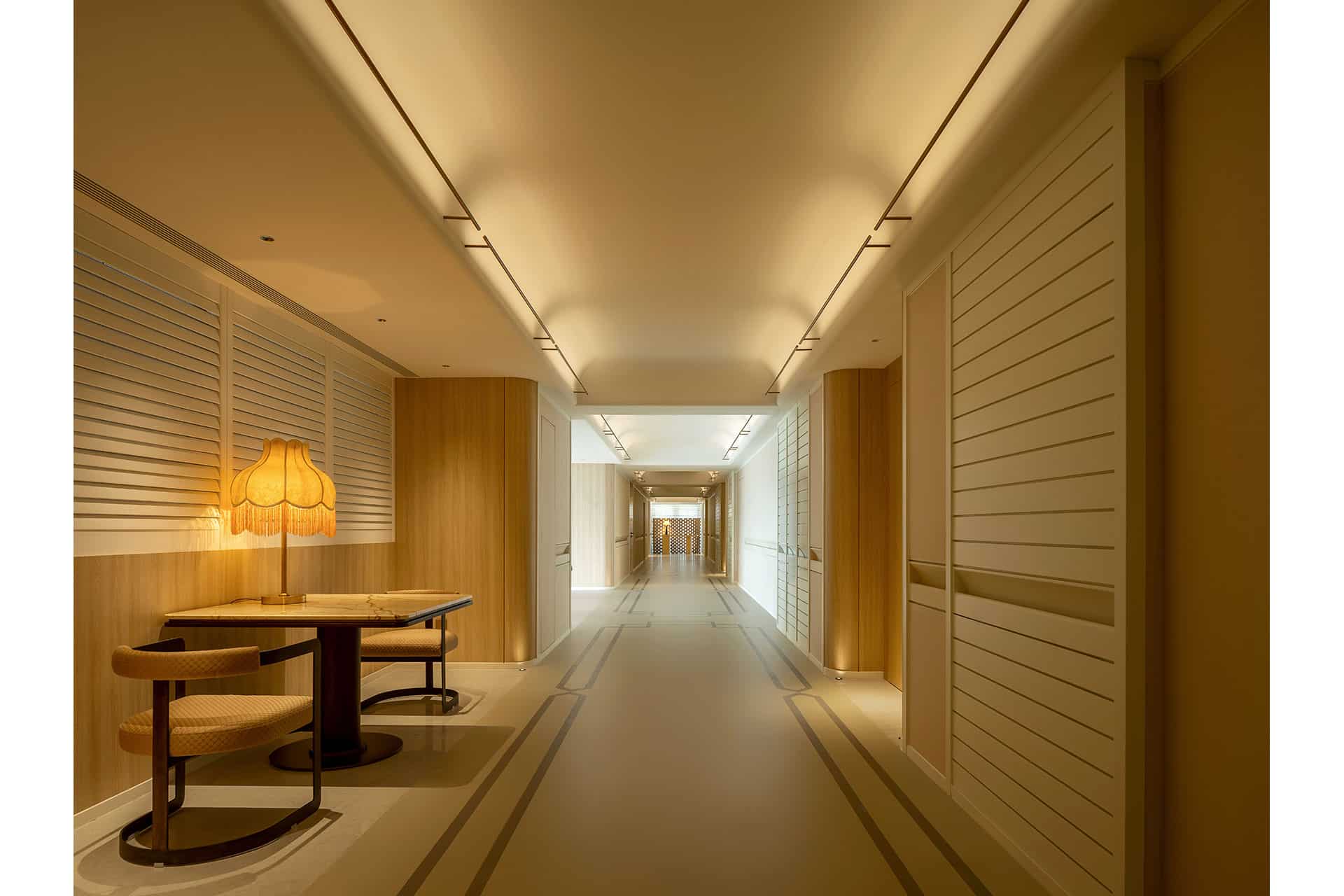
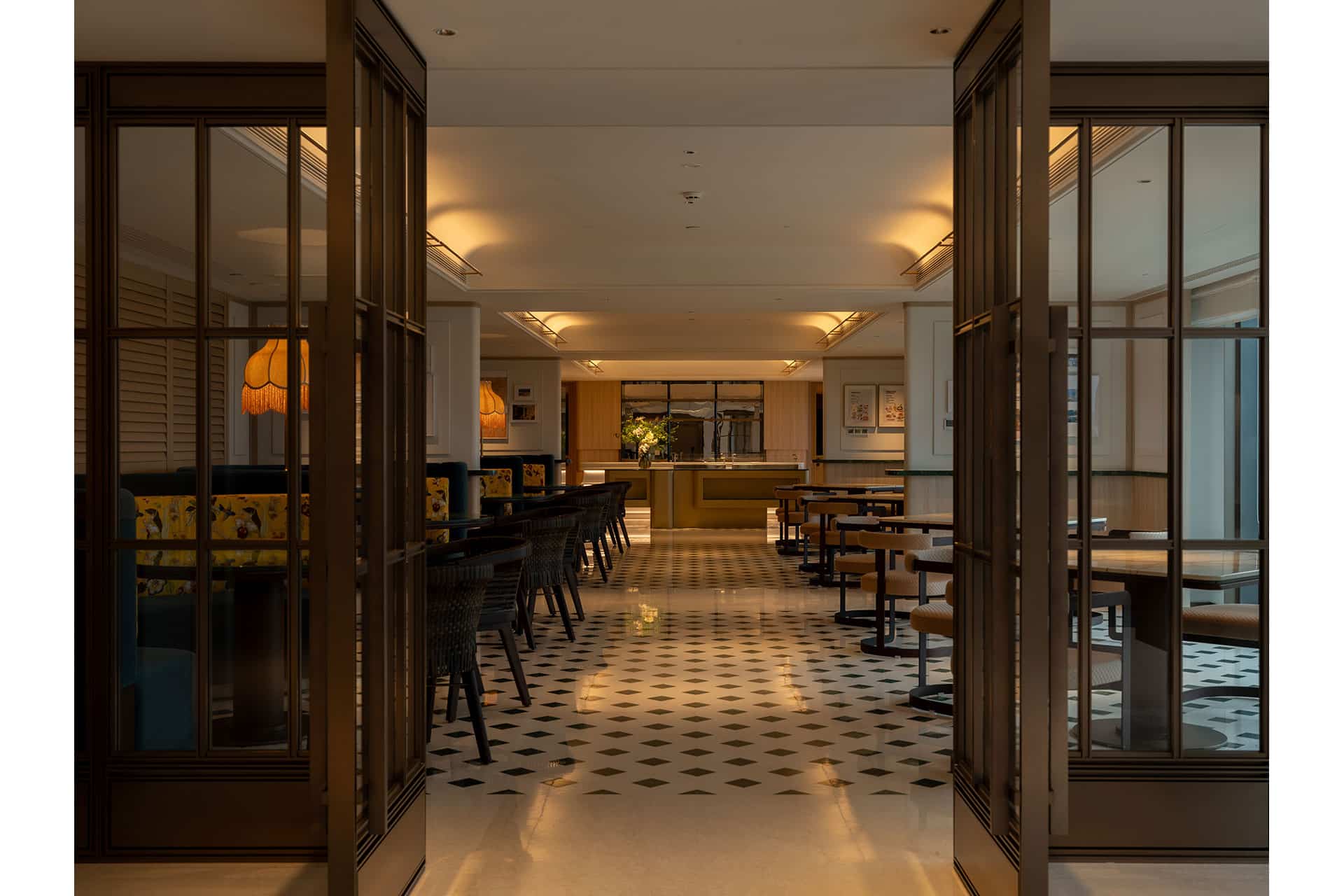
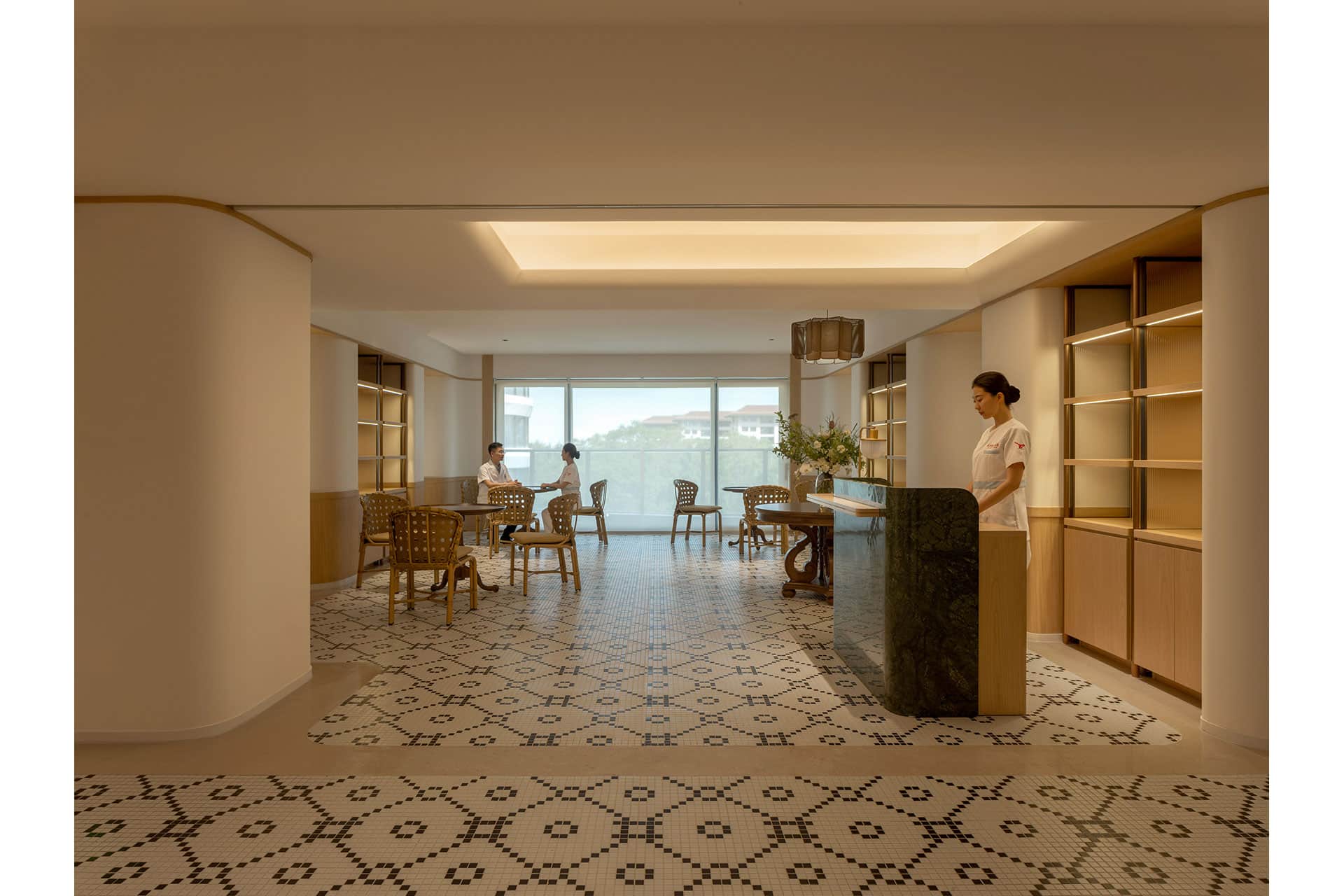
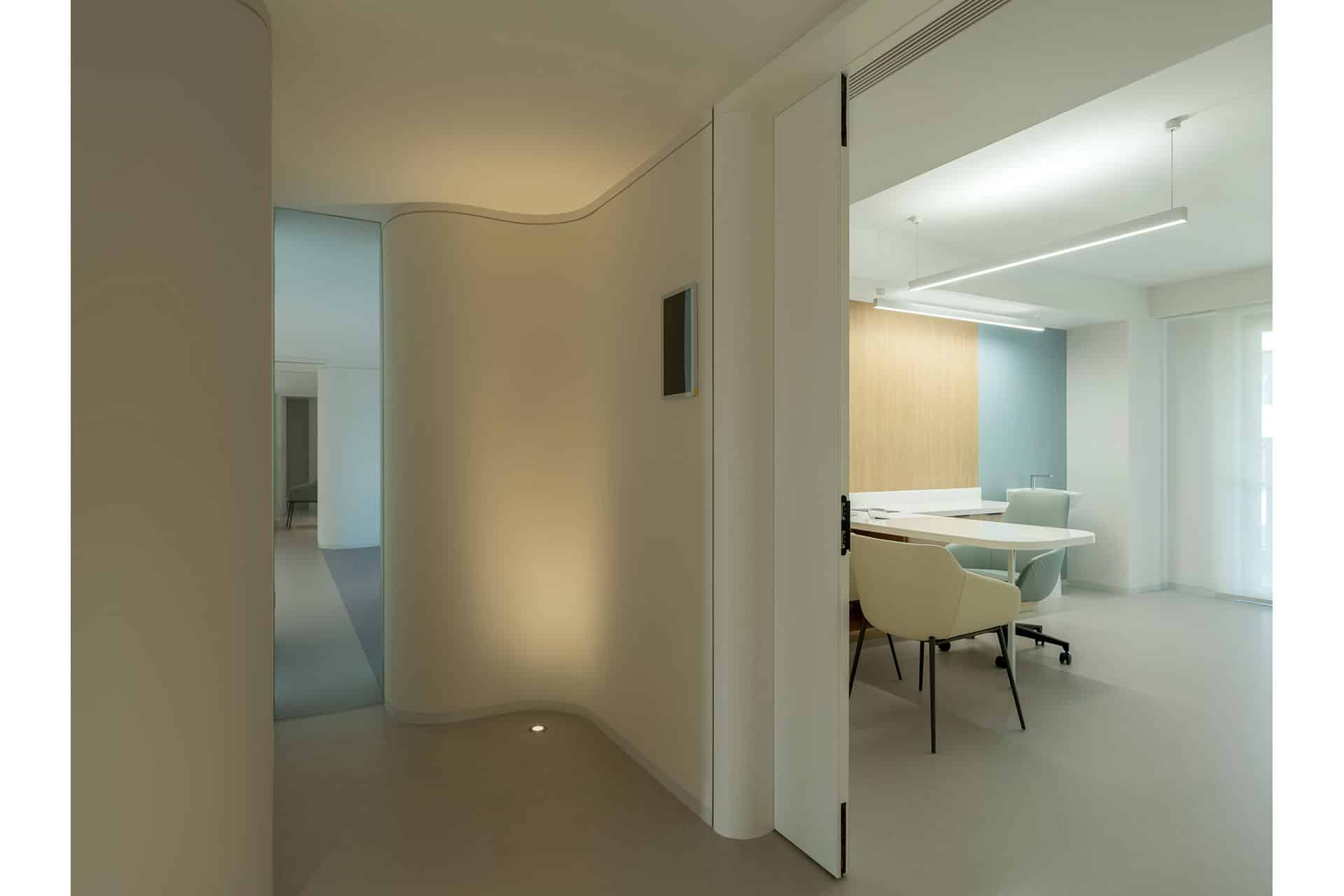
Sanya CSPC Medical Park, located in Haitang Bay, Sanya, is a high-end, international, park-style demonstration zone for medical-tourism integration. Jointly developed by CSPC Group and Germany’s Medical Park, it brings together inherently contrasting attributes: the rigor of medical care vs. the relaxation of vacation, and the formality of medical scenarios vs. the ease of leisure settings. With “balance” as its core, the lighting design uses light as a connecting medium to achieve harmonious equilibrium between the professional rigor of a medical institution and the comfort of a vacation.
Guided by the core principle of “response,” the design aligns deeply with the building’s form and functional needs:
These elements ultimately link the entire site into a cohesive space.
As a high-end medical-tourism demonstration zone by CSPC Group and Germany’s Medical Park, the project’s core goal is “medical-tourism integration.” Patients here need not only precise treatment but also vacation-like relaxation to ease physical and mental stress.
The two sets of opposing attributes are key for lighting design to integrate:
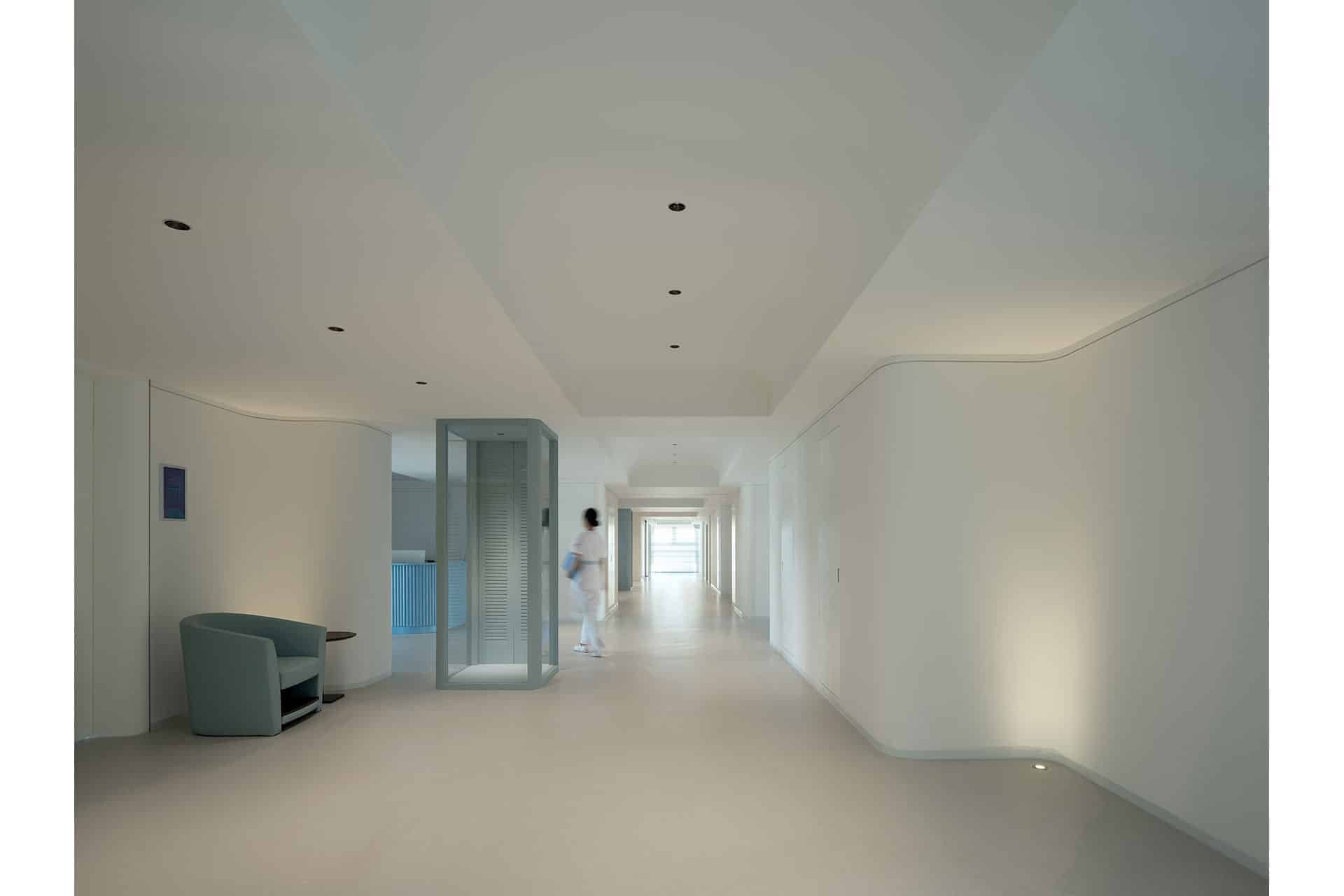
Notably, in low-light environments (e.g., corridors, rest areas), light blurs the line between these attributes—softening the formality of medical spaces and enhancing vacation relaxation, enabling natural coexistence of professionalism and comfort.
The “restraint” (controlled light for medical zones, e.g., anti-glare) and “expression” (flexible light for leisure zones, e.g., dimmable ambiance) of light create a subtle dynamic.
This interplay lifts the space beyond a single “medical facility” or “vacation spot,” turning it into a multi-dimensional healing space—retaining medical reliability (clear lighting in treatment areas) while offering vacation comfort (soft lighting in relaxation zones).
Ultimately, light weaves the “formality” of medical care and “relaxation” of vacation into a unified experience, achieving perfect balance.