

The Sense of Futurism and Locality in Urban Architecture
Architecture is the “soul” of a city, and the city is the “stage” for architecture. When focusing on the subtle details of a city, the in – depth connection between architecture and the city becomes evident — and local identity is the core of this relationship. Architecture does not exist in isolation; instead, it grows in harmony with the land beneath it, the surrounding environment, and the city in the present moment. This symbiotic relationship is particularly crucial after nightfall: the nighttime lighting environment not only showcases the most appealing posture of architecture but also bridges the experience of individuals with space, the dialogue between architecture and place, and ultimately, the emotional bond between people and the city.
The “sense of futurism” in architecture essentially measures the durability of architectural vitality. Excessively dazzling lighting designs lacking in thoughtful consideration will instead accelerate its fading, consigning it to quickly dim into the background in the long river of the city, or even be forgotten. True futurism lies in forging a time – transcending, symbiotic relationship with the city: it respects the local genes of architecture, responds to the genuine needs of people, and endures the test of time in a restrained yet lasting manner.
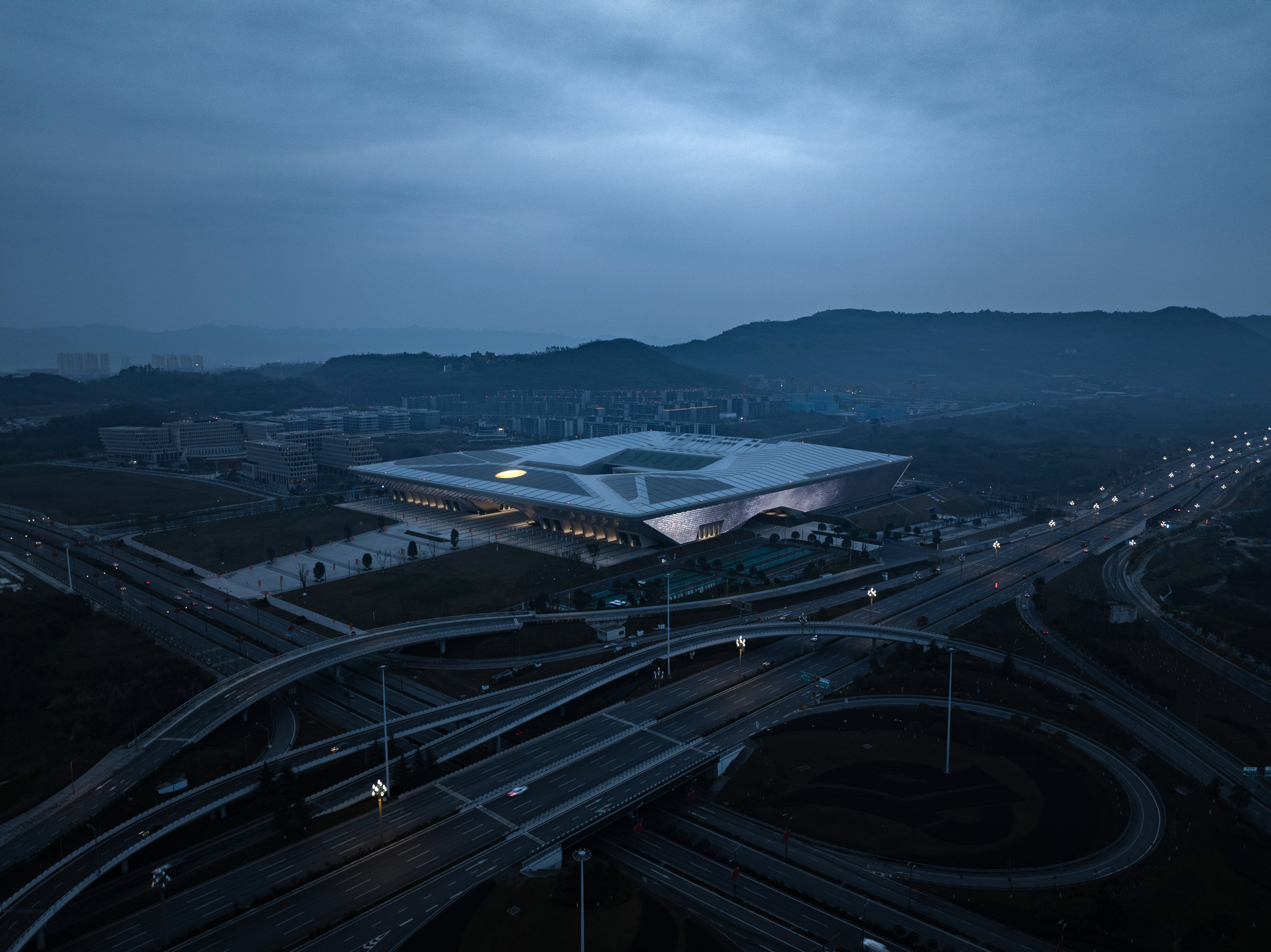
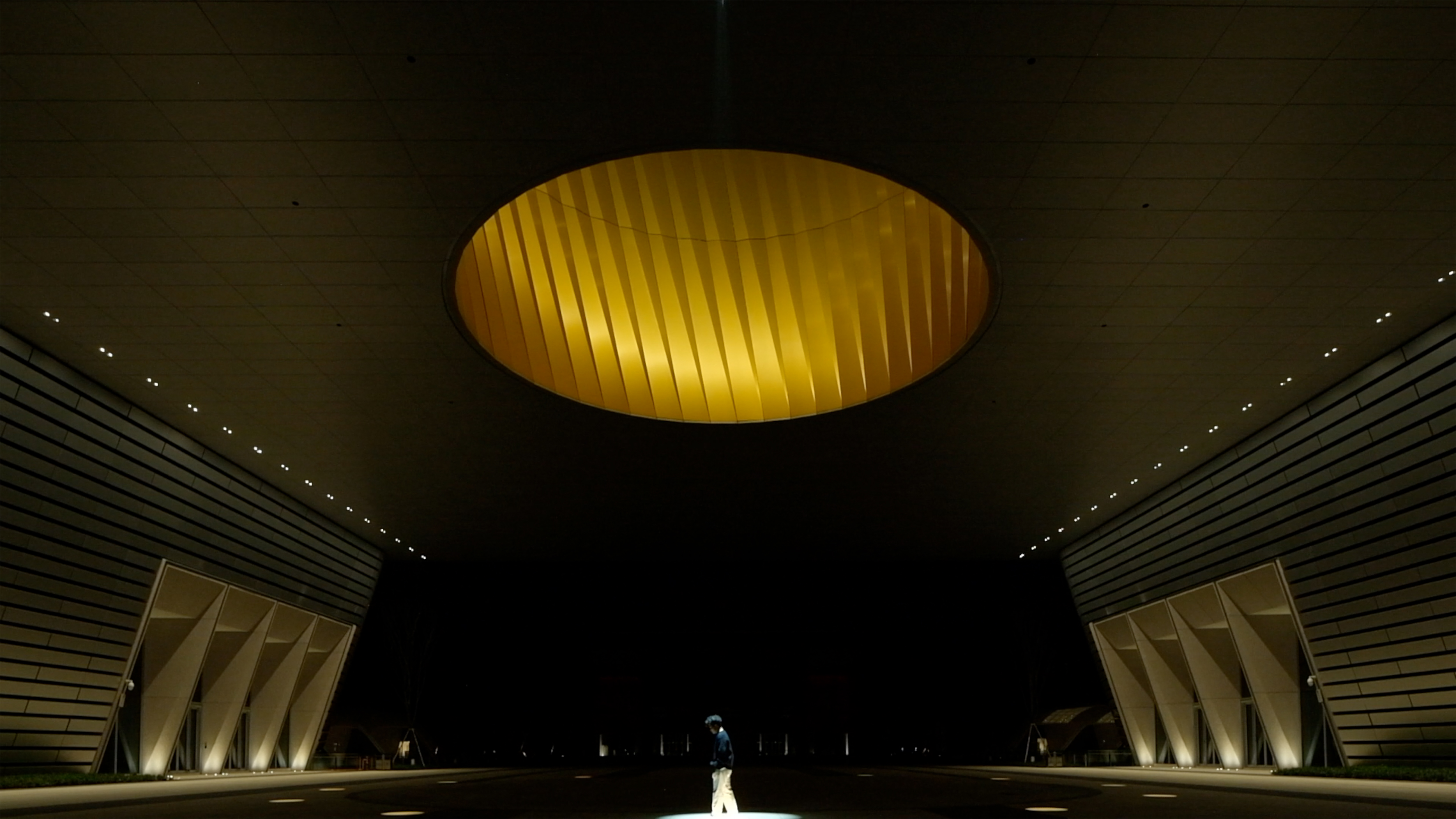
The lighting design of Chongqing Science Hall transcends simple addition or cancellation, mirroring interplay of diversity and commonality. Illumination reveals gentle silhouette, preserving structural essence while transforming rigid facades into flowing mountain mists. Eschewing ostentatious technical flair, light follows terrain contours to reanimate architecture with vibrant urban expression.
The reasons and background behind the design
Chongqing Science Hall is a public building that integrates the cultural heritage of the mountain city with modern spirit. Like a futuristic ark defying gravity, it has become a striking landmark of the city. When the futuristic floating form meets the local mountain-and-river heritage, what emerges from their dialogue is not the sparks of opposition, but a rhythm of symbiosis.
Design features:
Goal
Create a “spiritual realm” landmark, merging futurism with local culture, using light as the bridge between form, function, and community.
Process
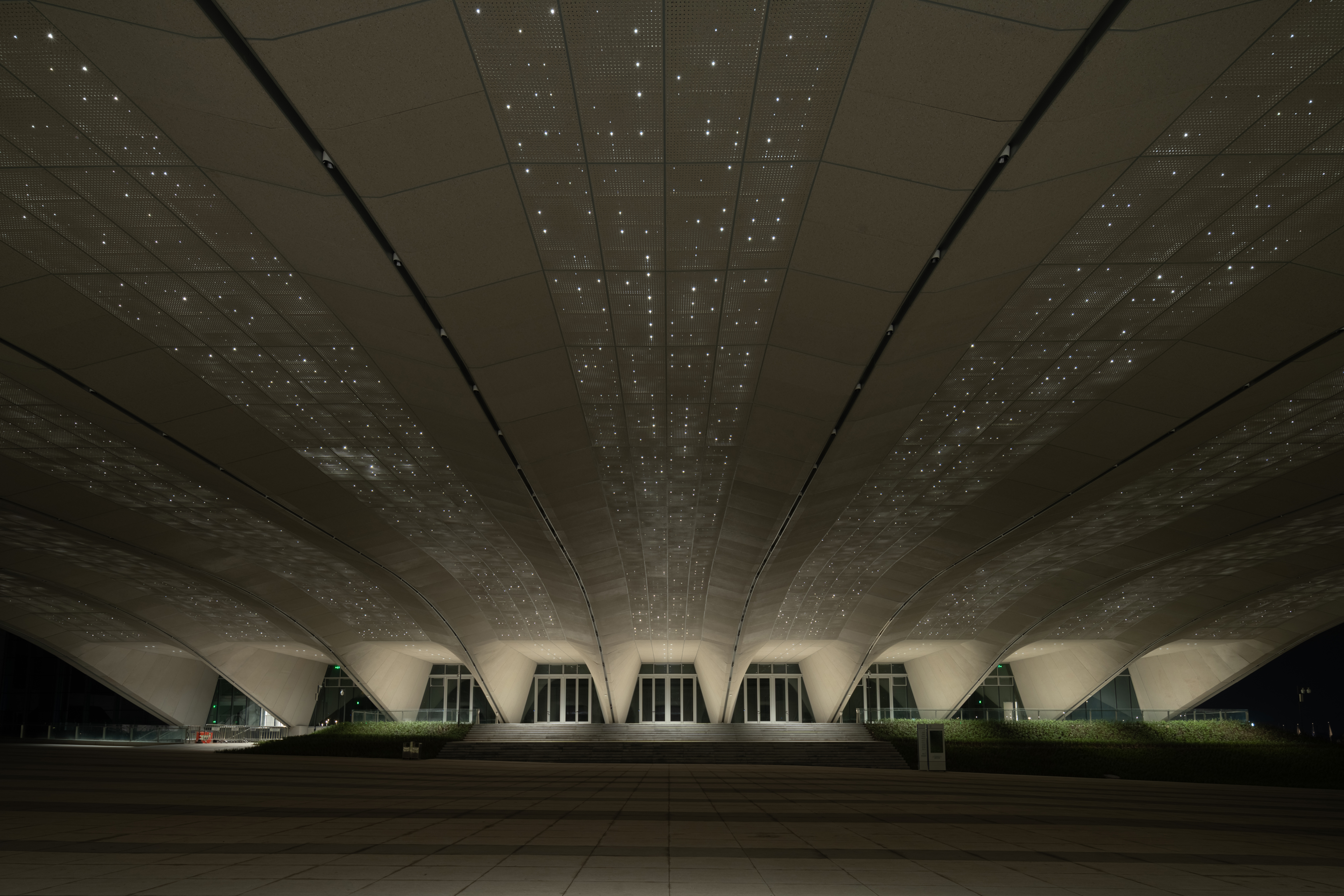
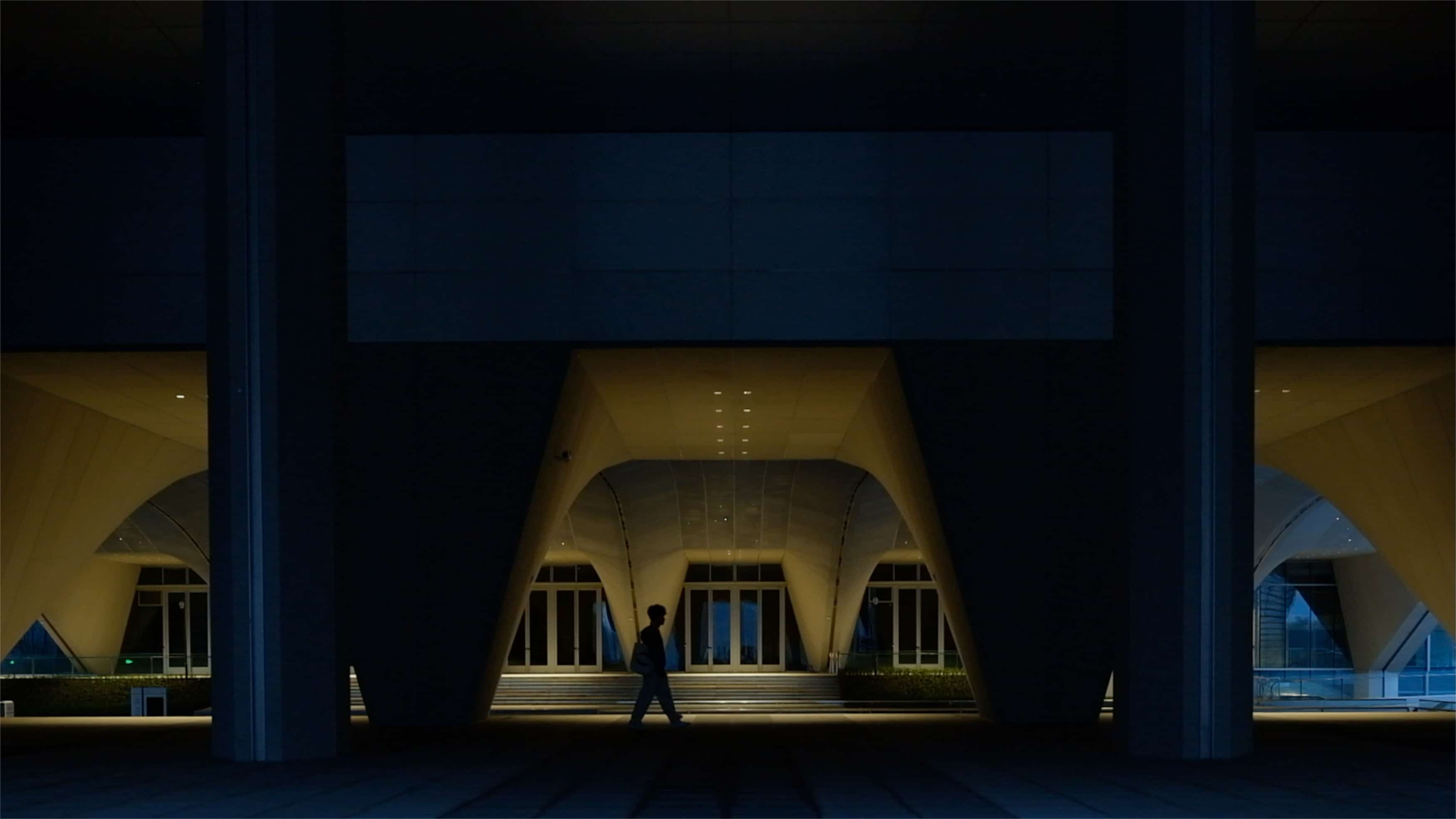
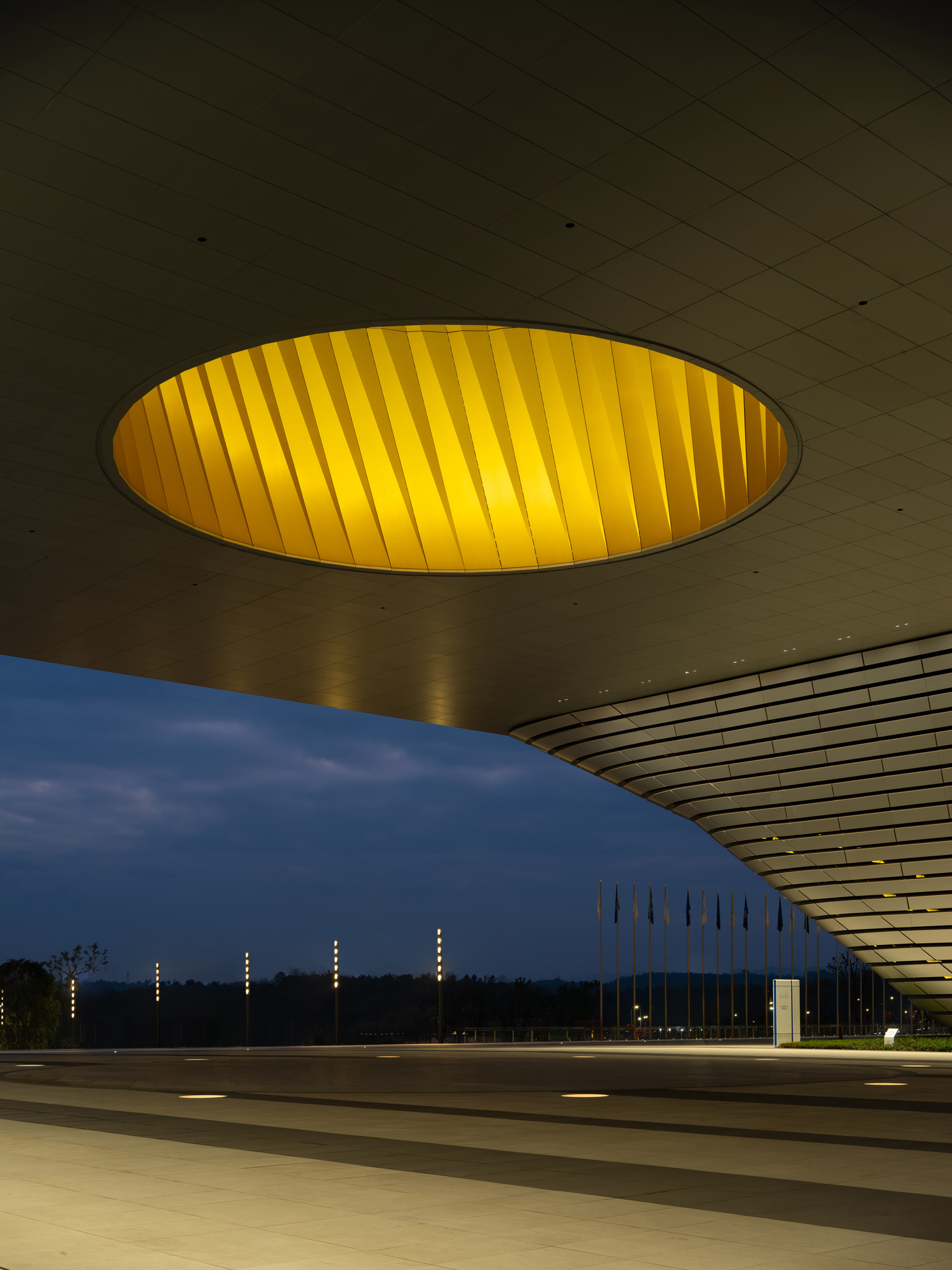
26k+ meters of LED lines hide in textured facades, tilted (8°/12°) to mimic water/fog at night. 46 south holes with angled projectors (30°/76°) cast shadowless golden light. 12 motion-sensitive circles in the underpass adjust brightness for interactive experiences. Eaves lighting forms a “light necklace” around the square, while 66k LED dots in passages create flickering water-reflection illusions.
Result
Chongqing Science Hall becomes an iconic “urban expression,” evolving from a spatial statement to a living landmark—symbiosis, not compromise, shaping its unique identity.