

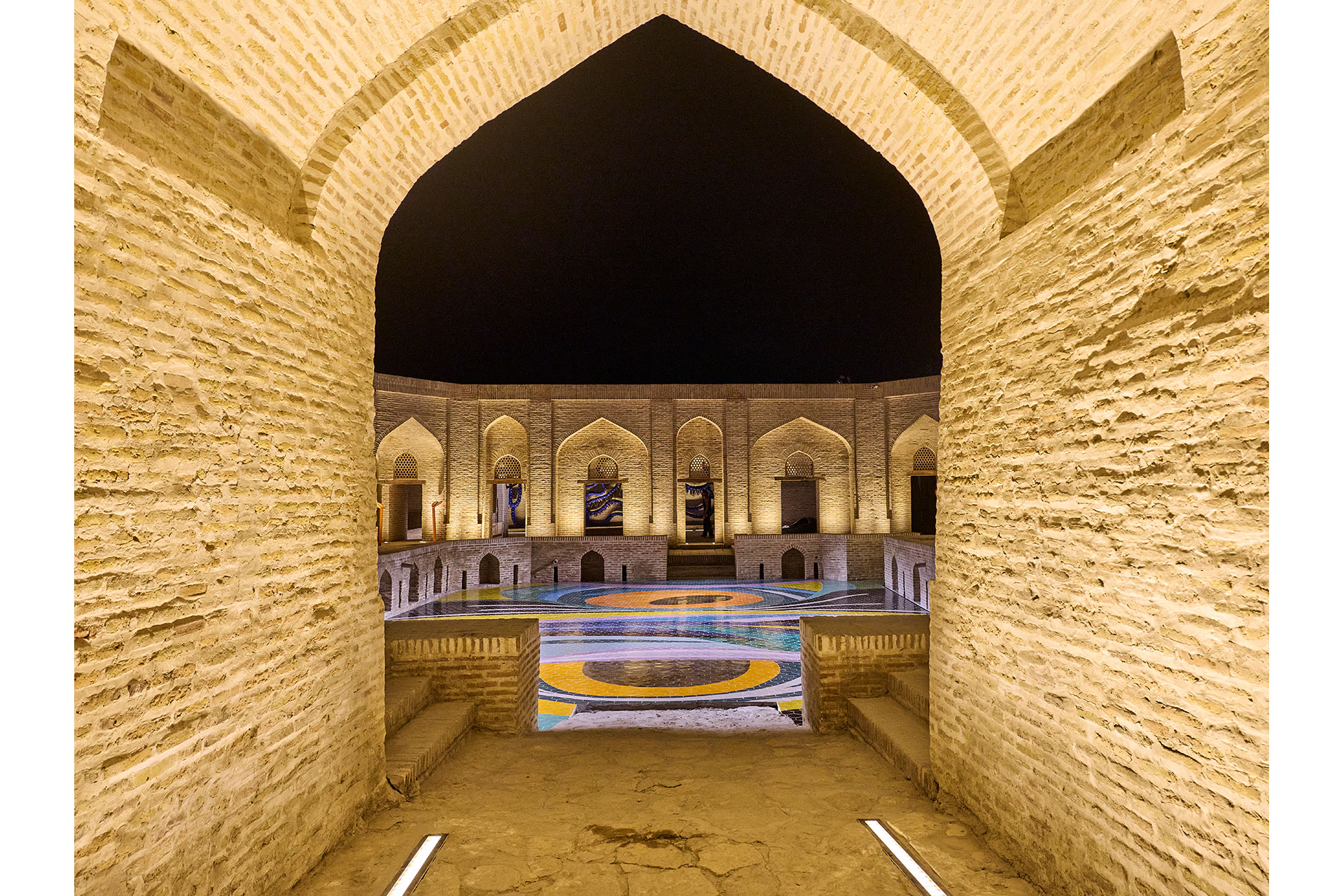
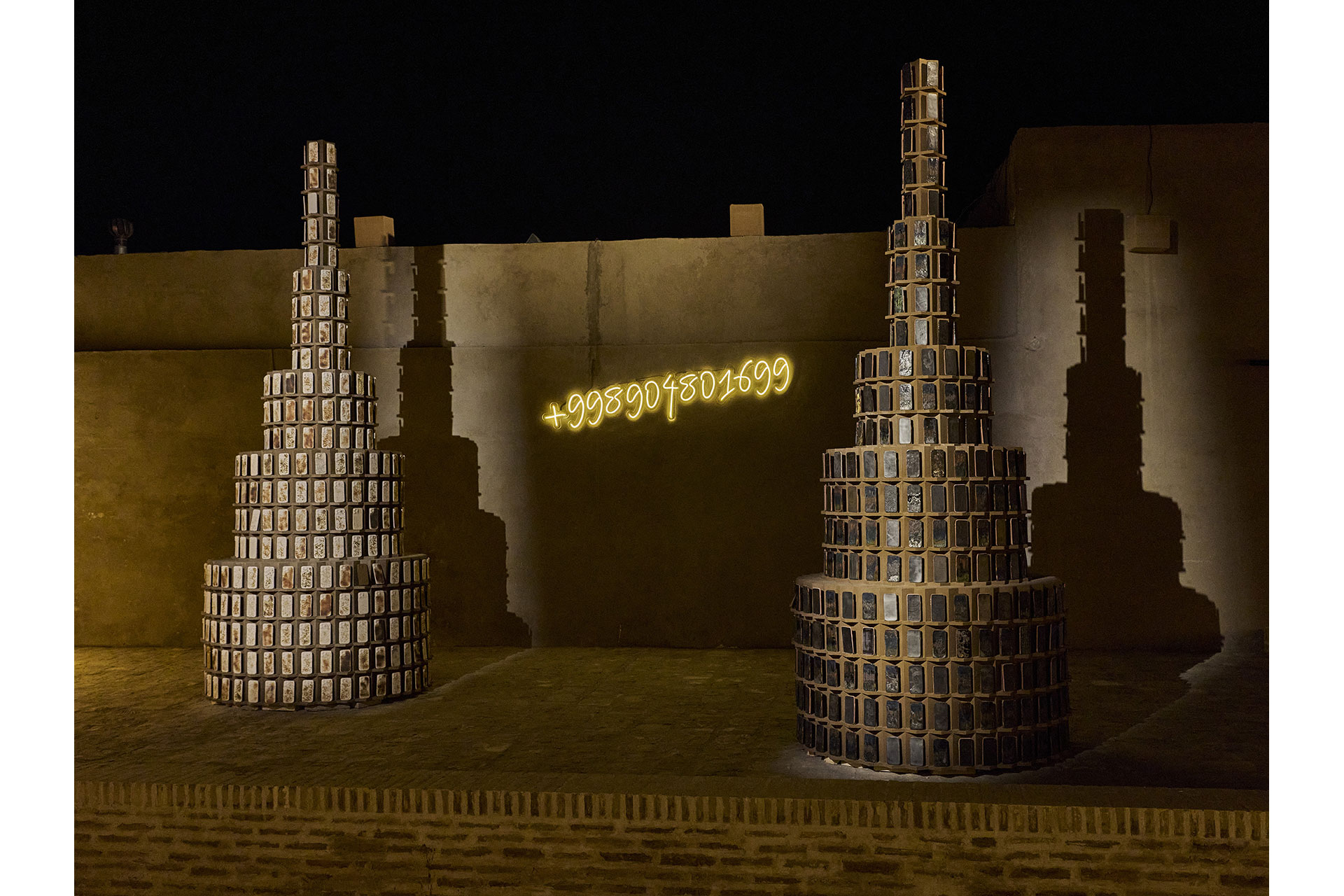
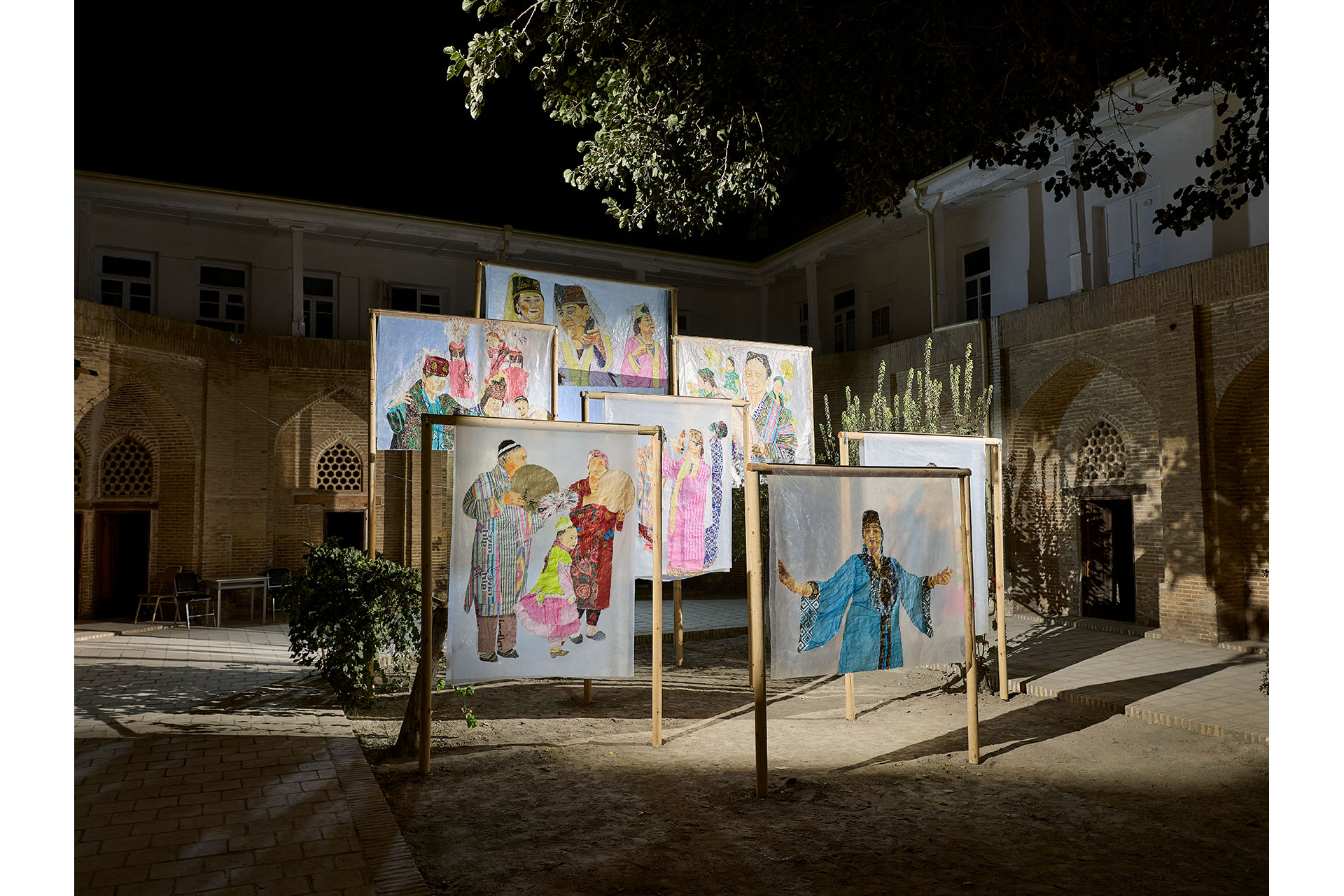
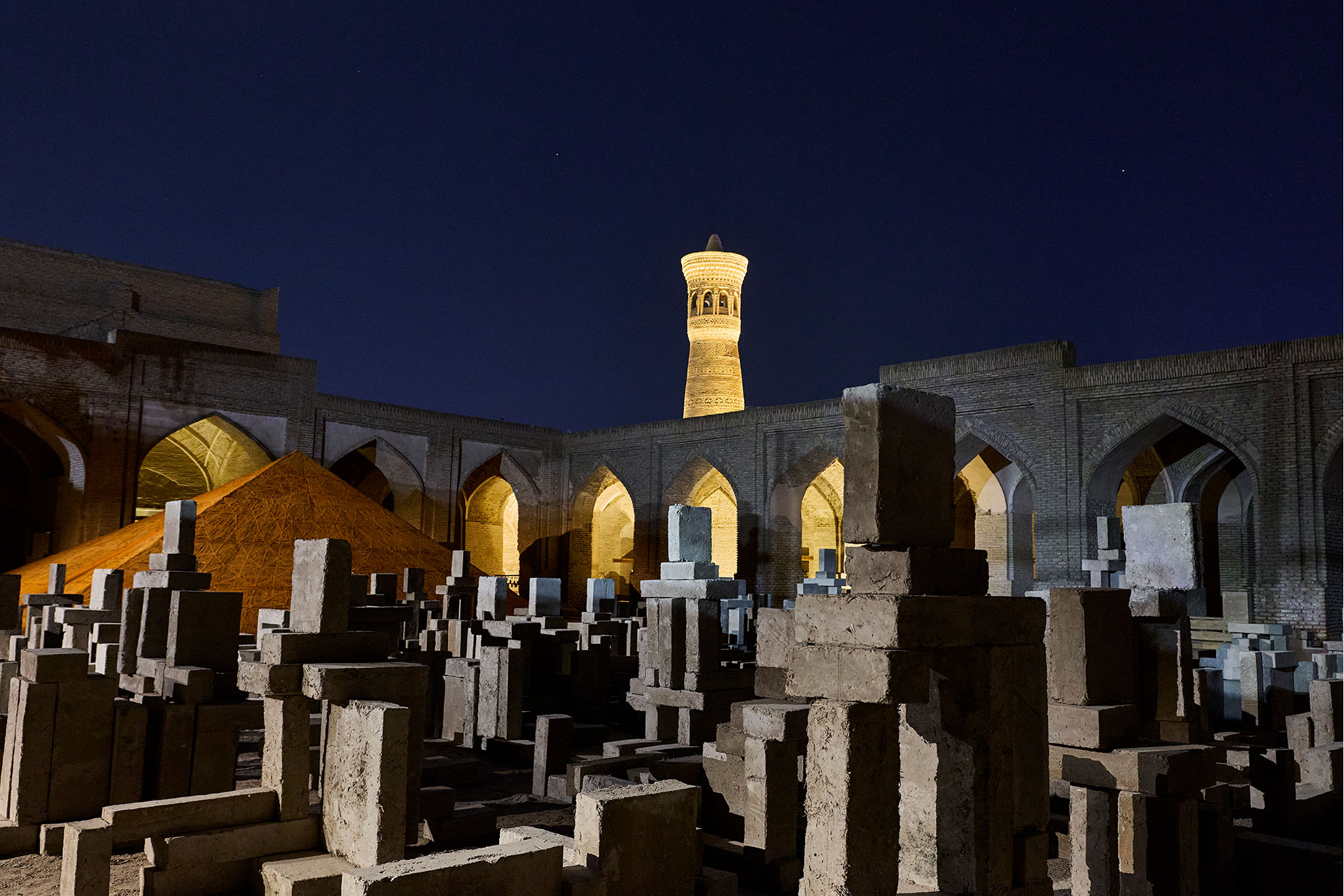
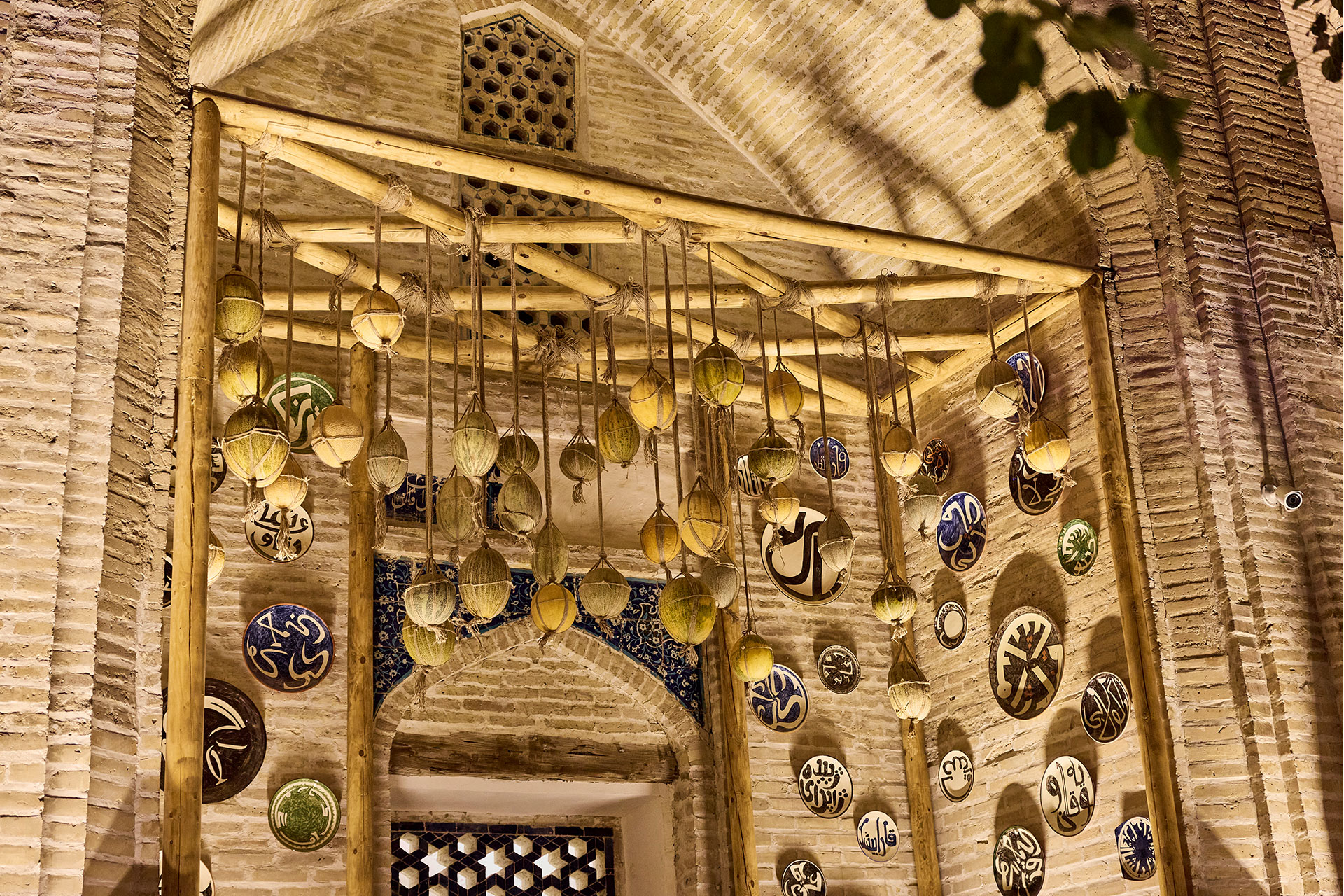
The project is located in a UNESCO World Heritage Site in Uzbekistan, in the heart of the city of Bukhara. Located in Central Asia, on the ancient Silk Road, this city was once a vibrant centre of Islam and is home to many Islamic buildings, including madrasas (schools), caravanserais (trading posts for caravans) and mosques. The government, in partnership with the ACDF cultural foundation, has decided to rehabilitate and restore the city centre and create a Cultural District that hosts a contemporary art biennial. This biennial exhibition has emerged in a context of rural craftsmanship and a desire to revitalise the country’s culture and tourism. A highly social approach has been chosen, closely linked to local culture and expertise, fostering collaboration between artists and artisans.
The project is part of a wider restoration programme involving 12 listed monuments and the refurbishment of public spaces, all of which are UNESCO World Heritage Sites.
At the heart of the project is a dark sky policy, requested by UNESCO, the client and our design team. Deliberate shadow areas, very low light levels, choice of colour temperature (ranging from 1800 to 3000K), graduated lighting, time management of lighting and control of wasted light are at the heart of the project to enhance the cultural district and its twelve monuments. The light levels of the public lighting are low (5 to 10 lux) thanks to the high uniformity of the lighting and the presence of background lighting.
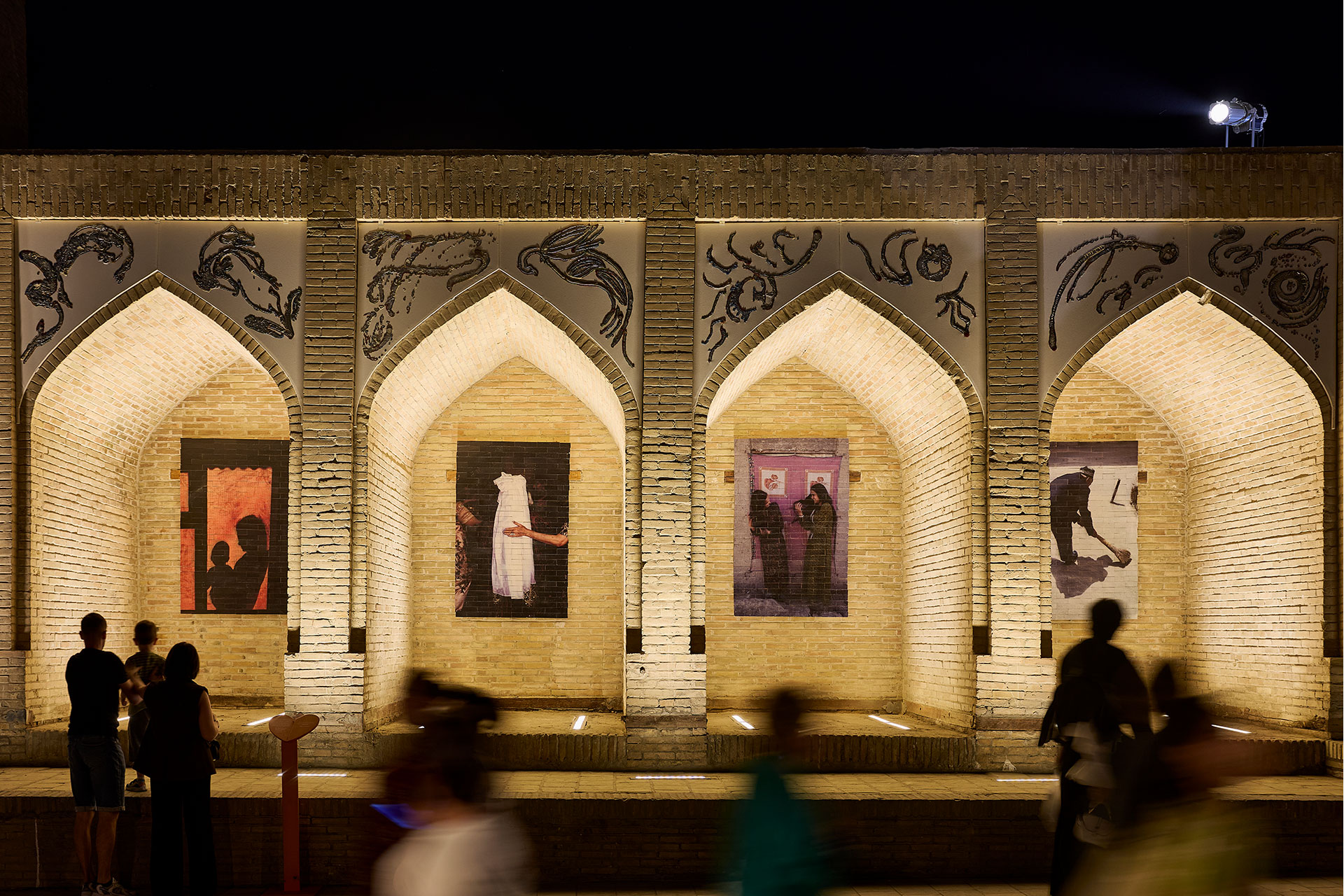
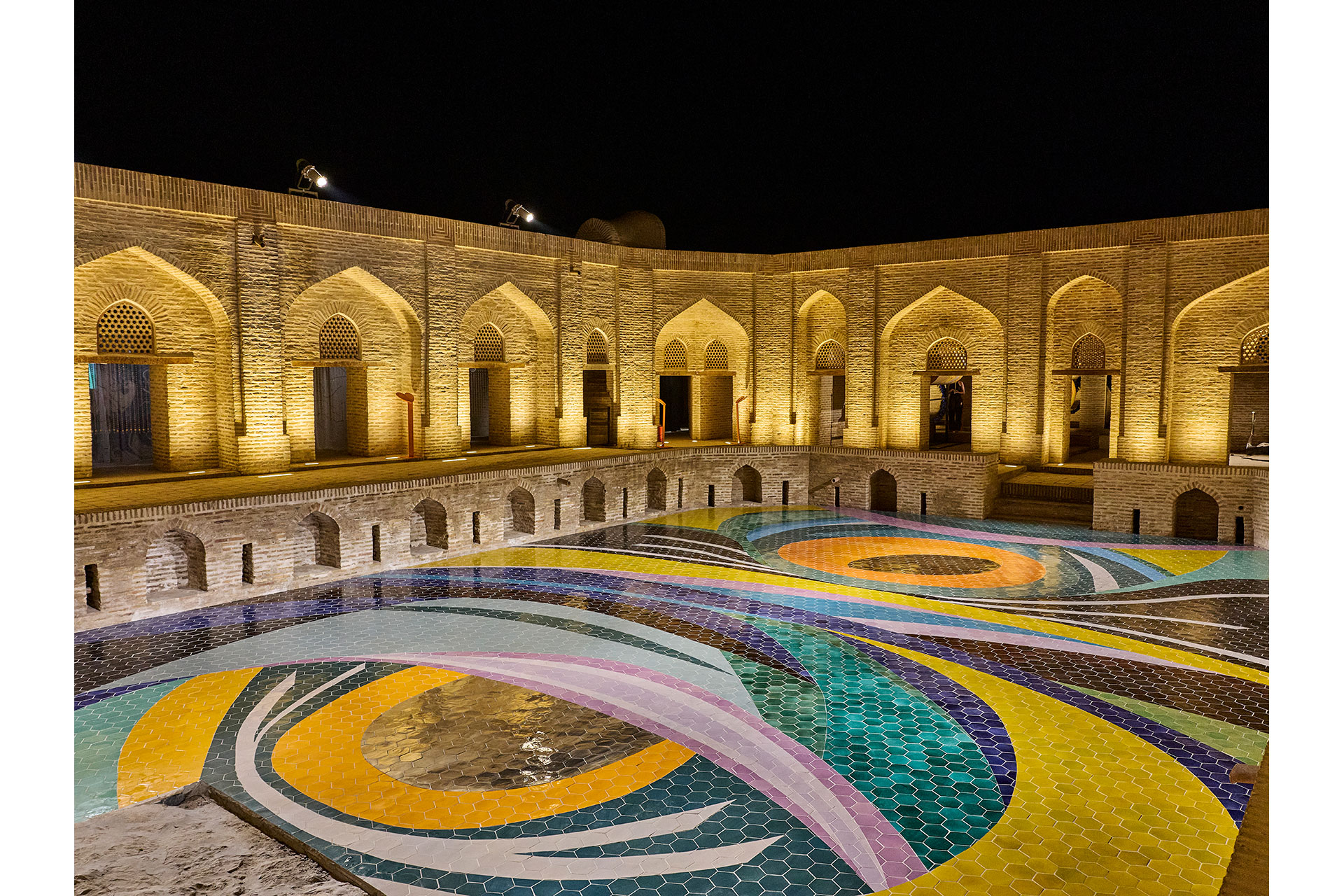
The buildings are lit in soft white tones ranging from 3000K to 1800K. Controlled by DMX, the light colour is adjusted to suit the different planes, creating golden tones in the recesses and softer tones in the foreground. The levels vary during the night, gradually decreasing. Like all lighting fixtures, they are switched off at 1:00 a.m. during the biennial and earlier during the rest of the year. This lighting is also found in the courtyards of the various madrasas and other historic buildings, creating a backdrop for the biennial and providing sufficient illumination for visitors to stroll around without functional lighting.
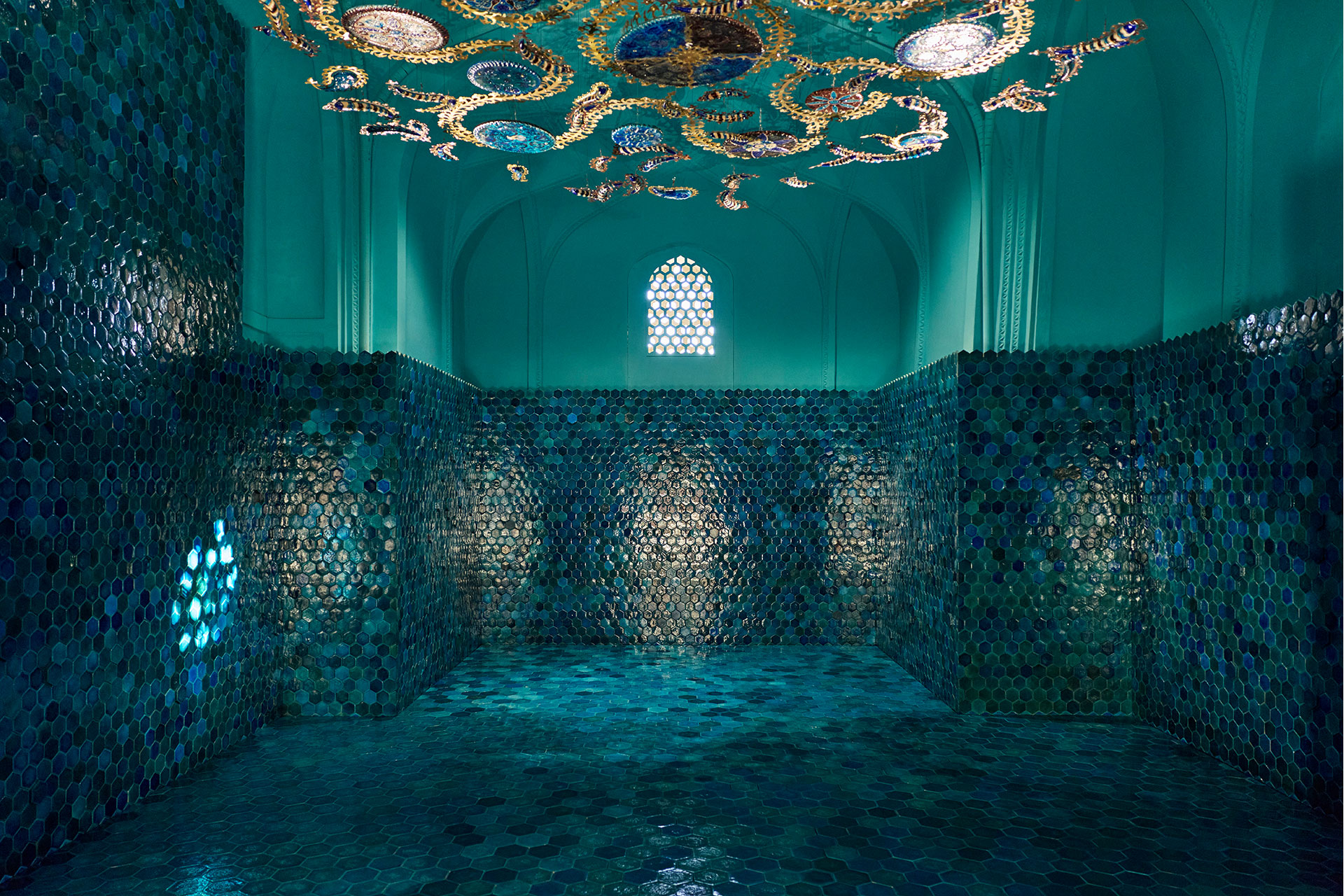
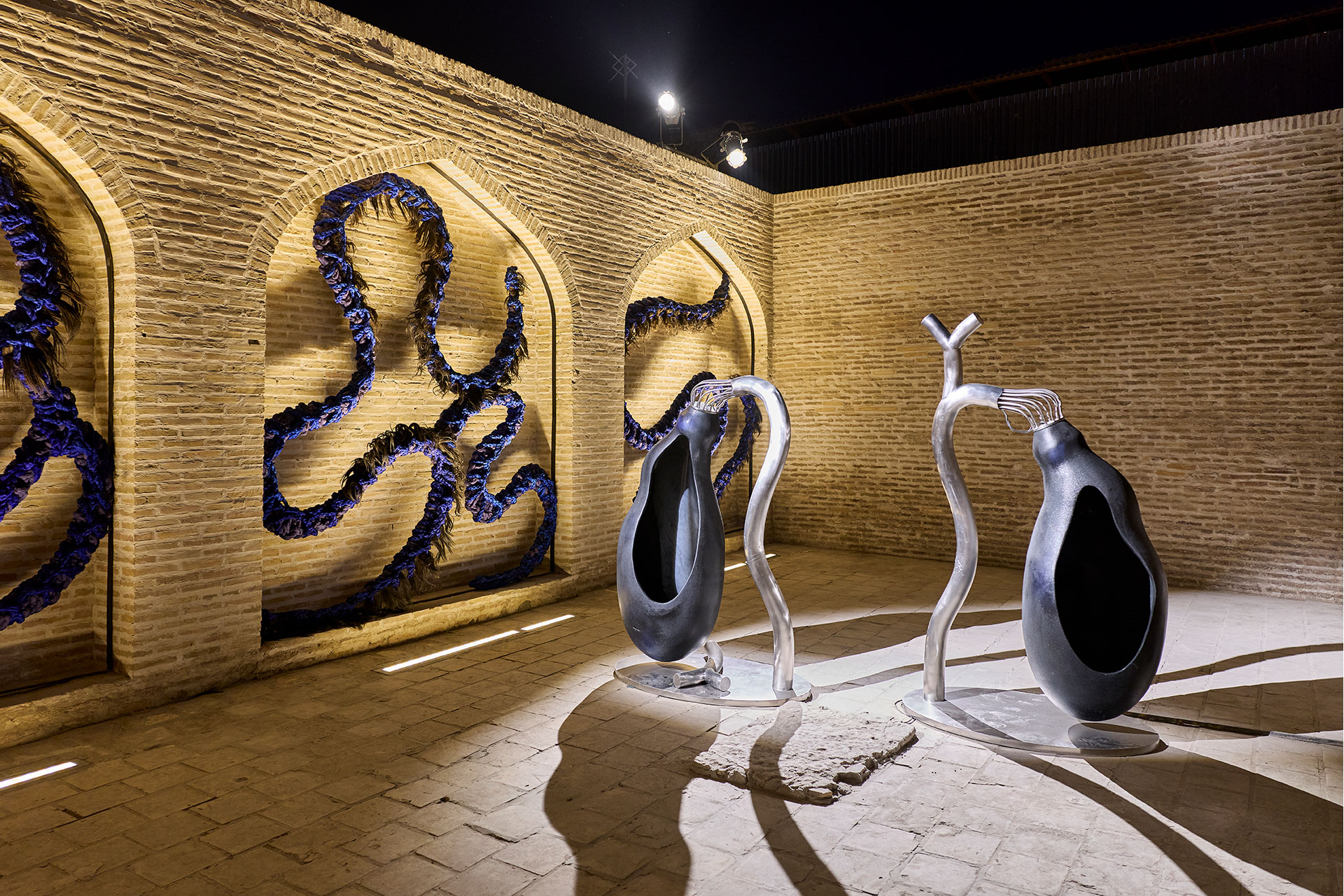
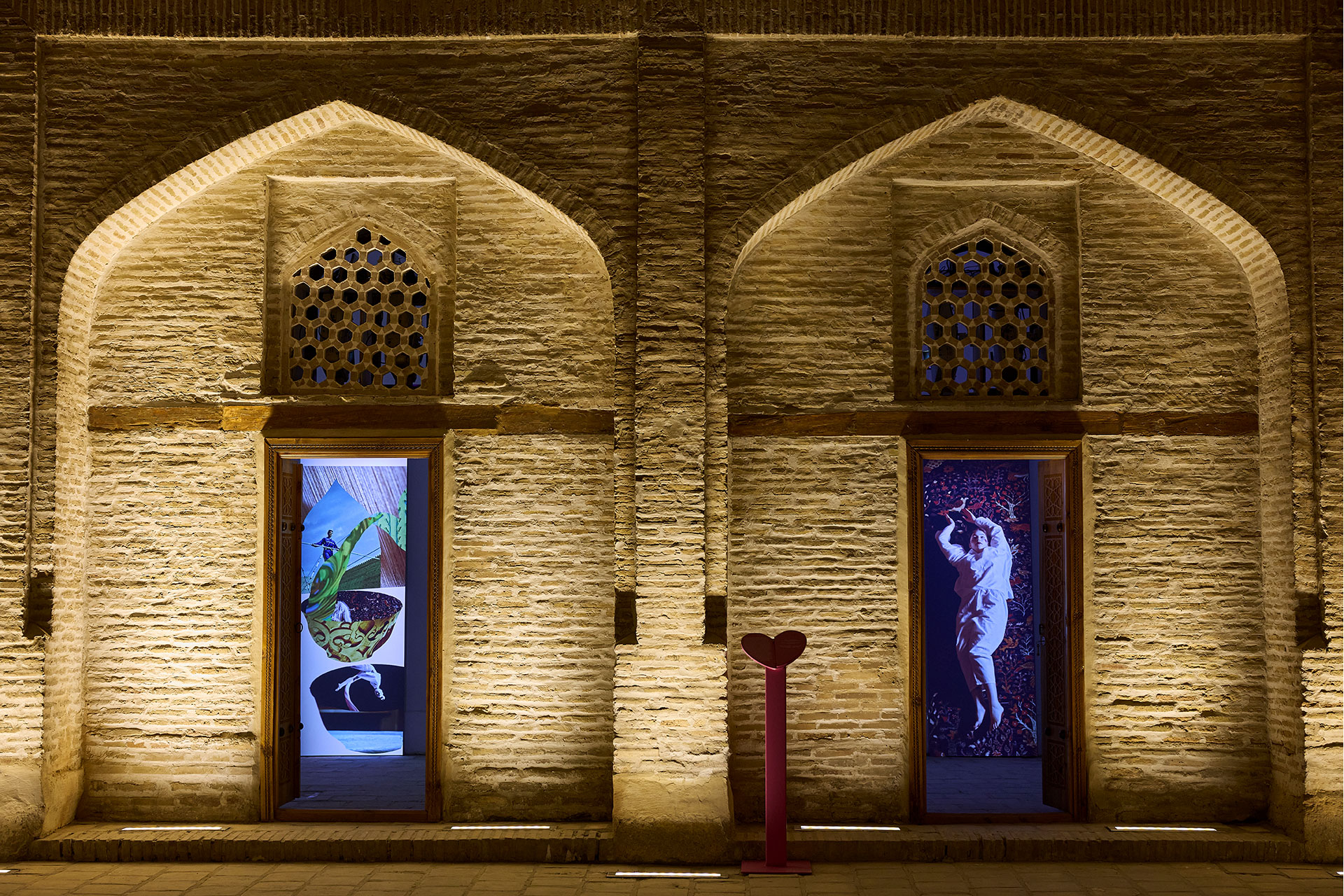
All of the Hijras (rooms) in the exhibition spaces are equipped with utilities to enable lighting and audio-visual functions. The lighting is achieved using small projectors normally used for display cases, focusable and mounted on mini-rails. Due to the small size of the pieces, we wanted to keep the lighting fixtures small and discreet, while still allowing for flexibility in terms of adjustment: focusable and individually dimmable. The rails are fixed in place and the wiring is done in the traditional way with twisted fabric wires on ceramic insulators. The lighting of the art pieces is specific to each one, with a variety of approaches: general and diffuse, spot lighting, indirect, hidden. Each Hijra is a lighting subject in itself.