

The comprehensive lighting renovation of the Ashdod Museum of Art demonstrates how light can operate as a formative architectural and curatorial tool, bringing clarity, flexibility, and narrative coherence to a complex cultural space.
Delivered by Hilla Mayer Lighting Design, the Ashdod Museum of Art project replaces an outdated and inefficient lighting system with a future-ready infrastructure capable of supporting diverse temporary exhibitions while enhancing the museum’s distinctive spatial character.
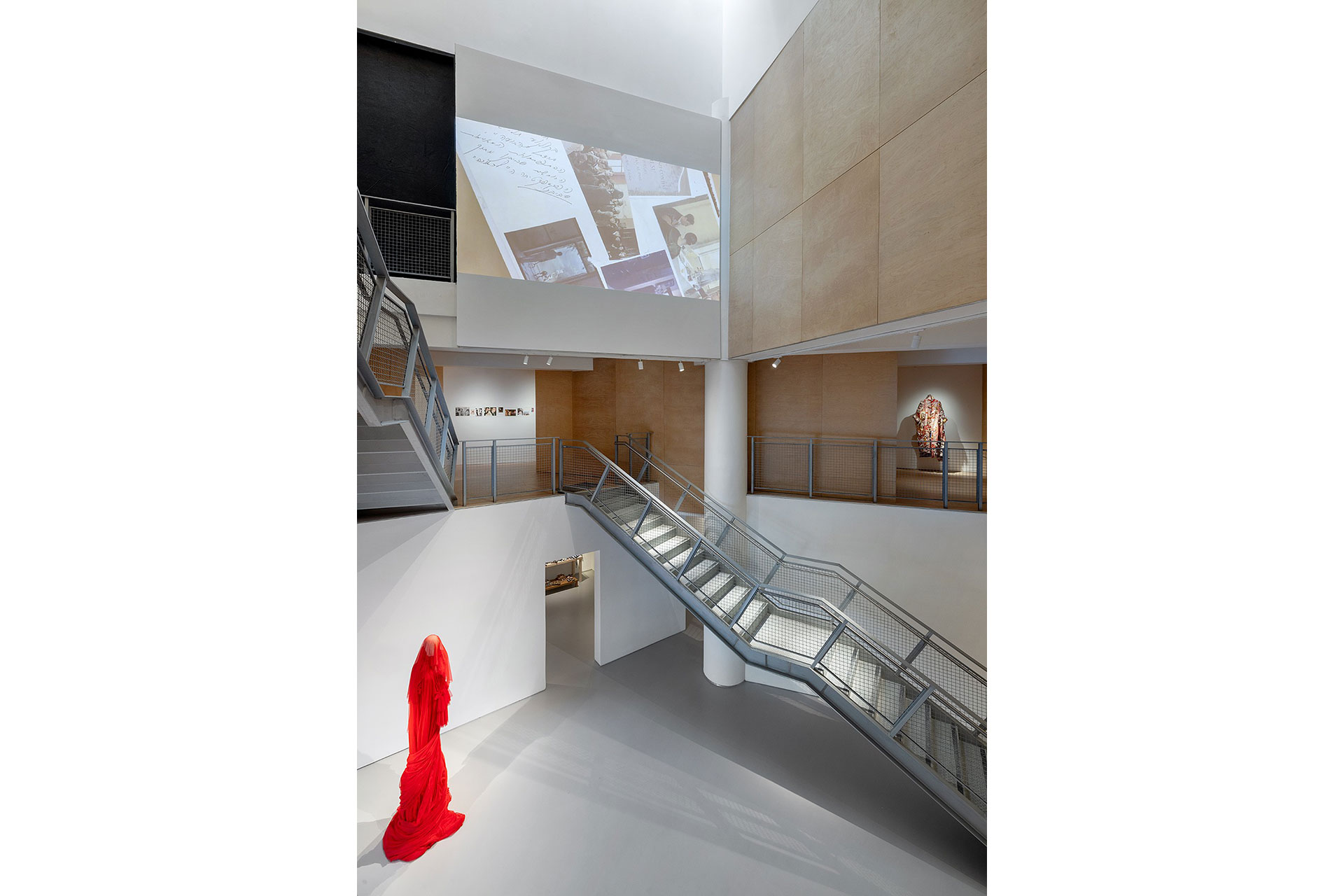
The 2,500-square-metre museum is organised across three floors in an open spiral configuration, defined by varying ceiling heights, exposed structural elements, balconies, internal windows, and staircases crossing a dramatic central void. Rather than treating lighting as a secondary technical layer, the design positions light as an integral spatial language that mediates complexity, guides movement, and supports curatorial storytelling.
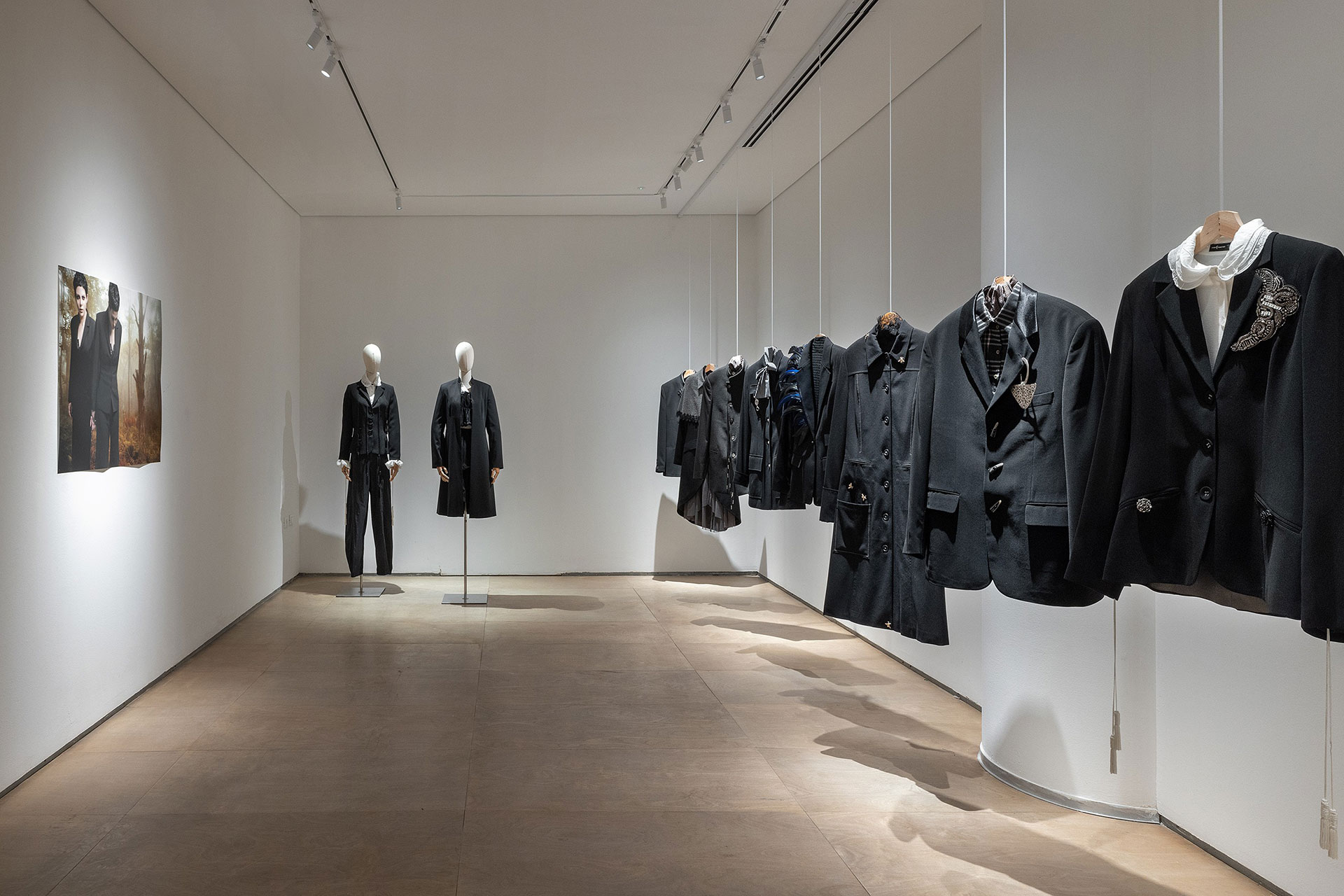
To address the museum’s architectural diversity, the lighting concept was structured around three spatial typologies: the tall central space, the rectangular gallery spaces, and the connecting passage zones. Each typology received a dedicated lighting strategy tailored to its spatial and functional requirements.
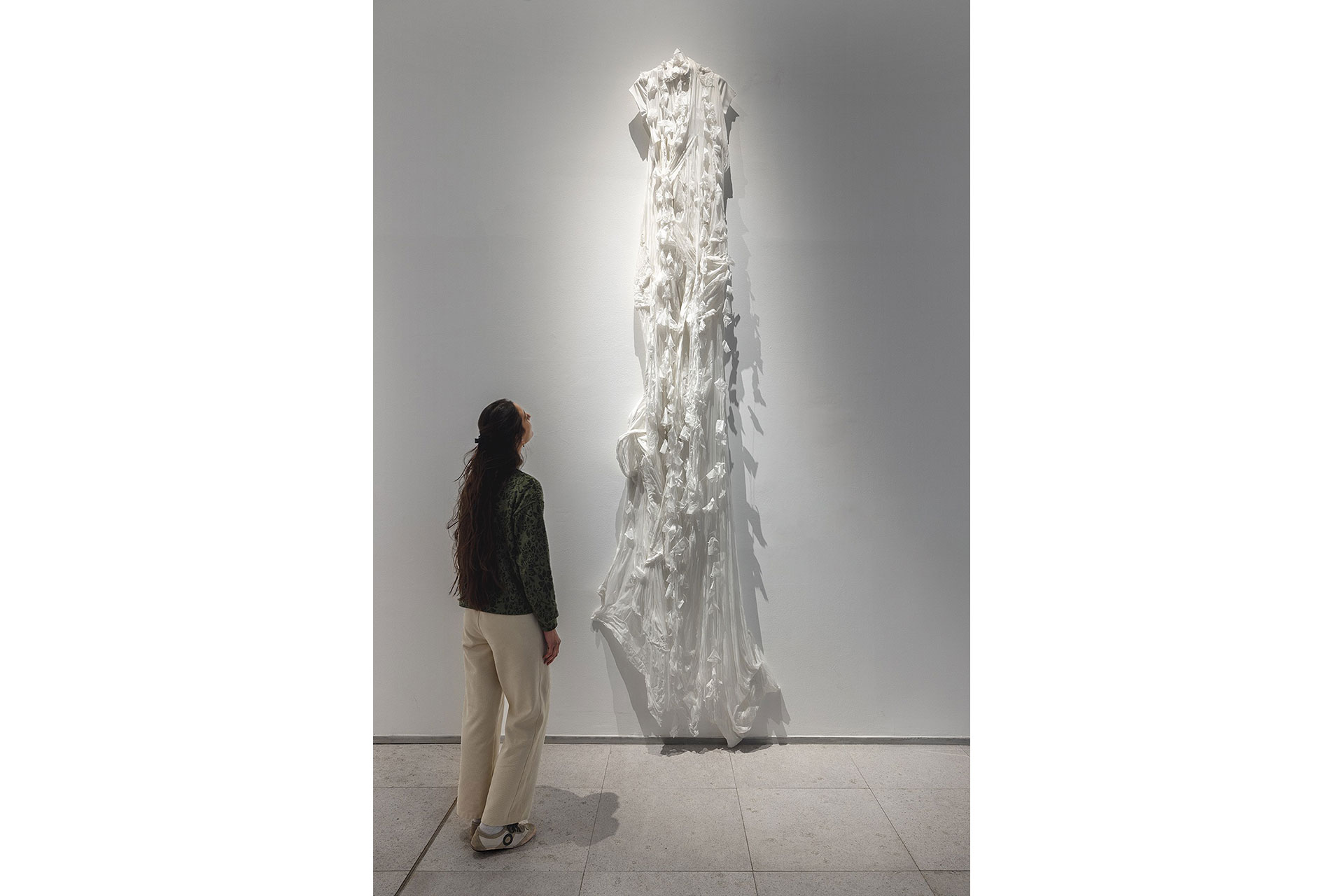
The central space presented the most significant technical challenge due to its height and limited physical access. Instead of conventional top-down illumination, the lighting infrastructure was integrated into the perimeter envelope using a continuous linear track with concealed light sources. This approach projects light downward across the full height of the space, maintaining openness while providing spatial definition and visual coherence without competing with the architecture.
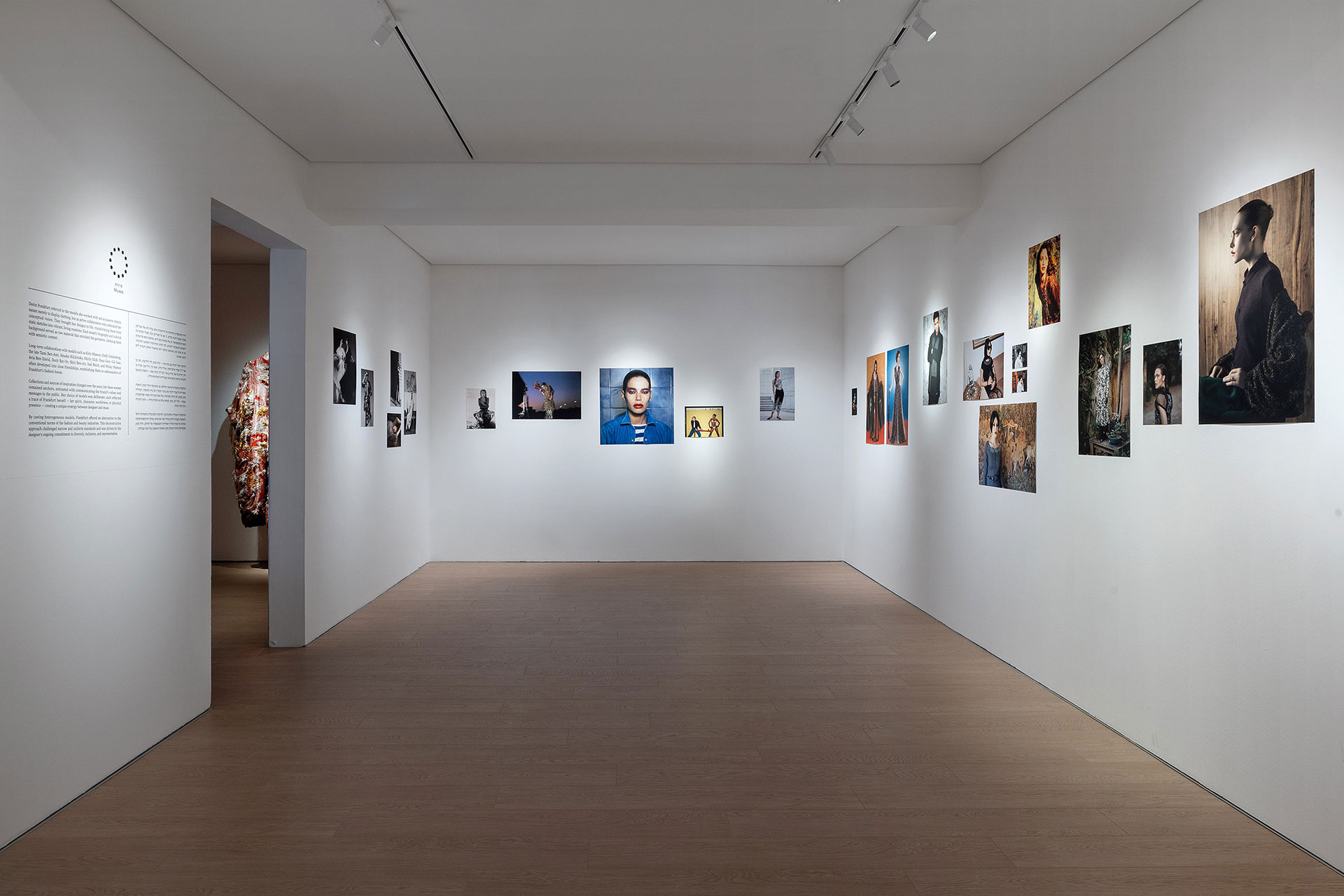
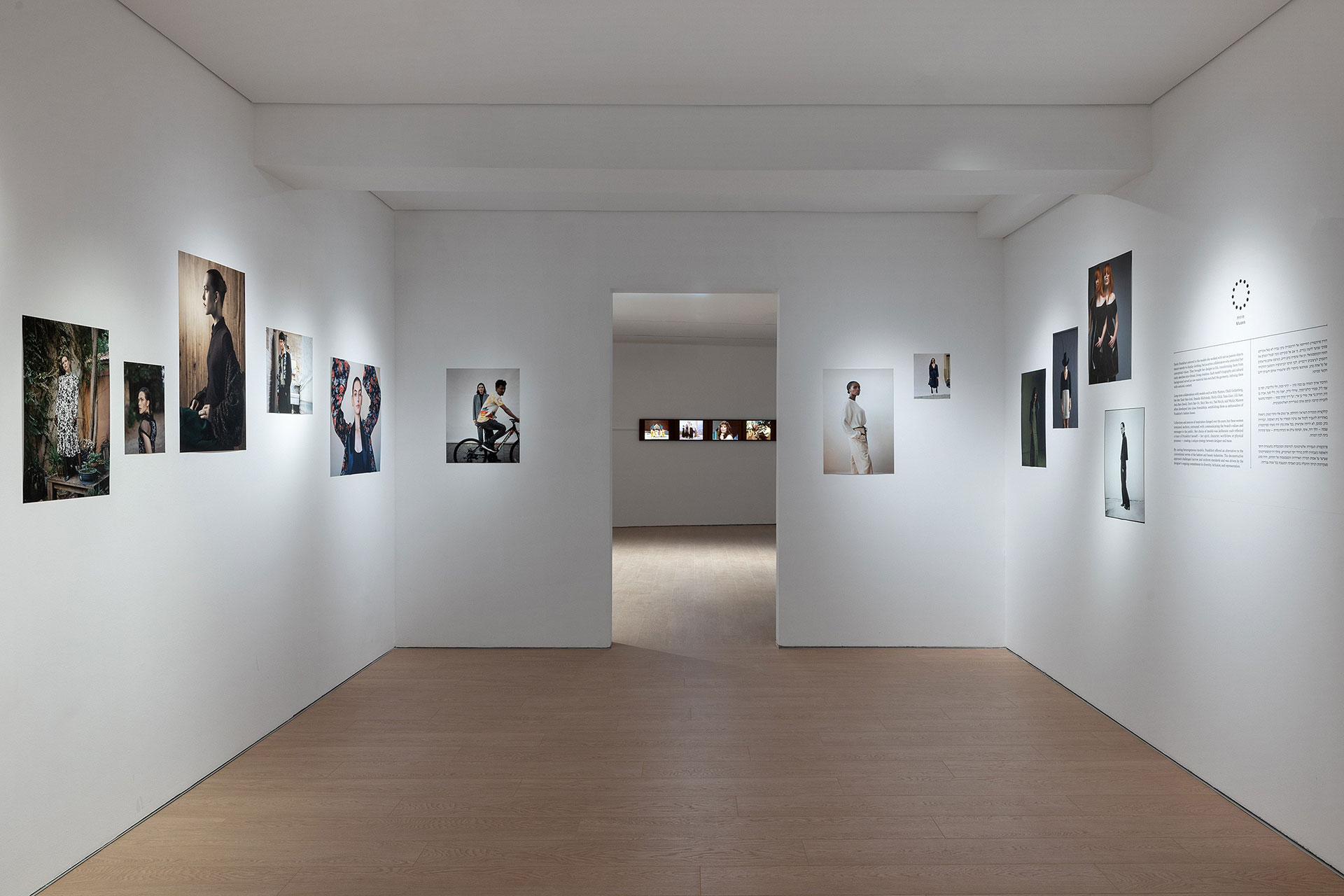
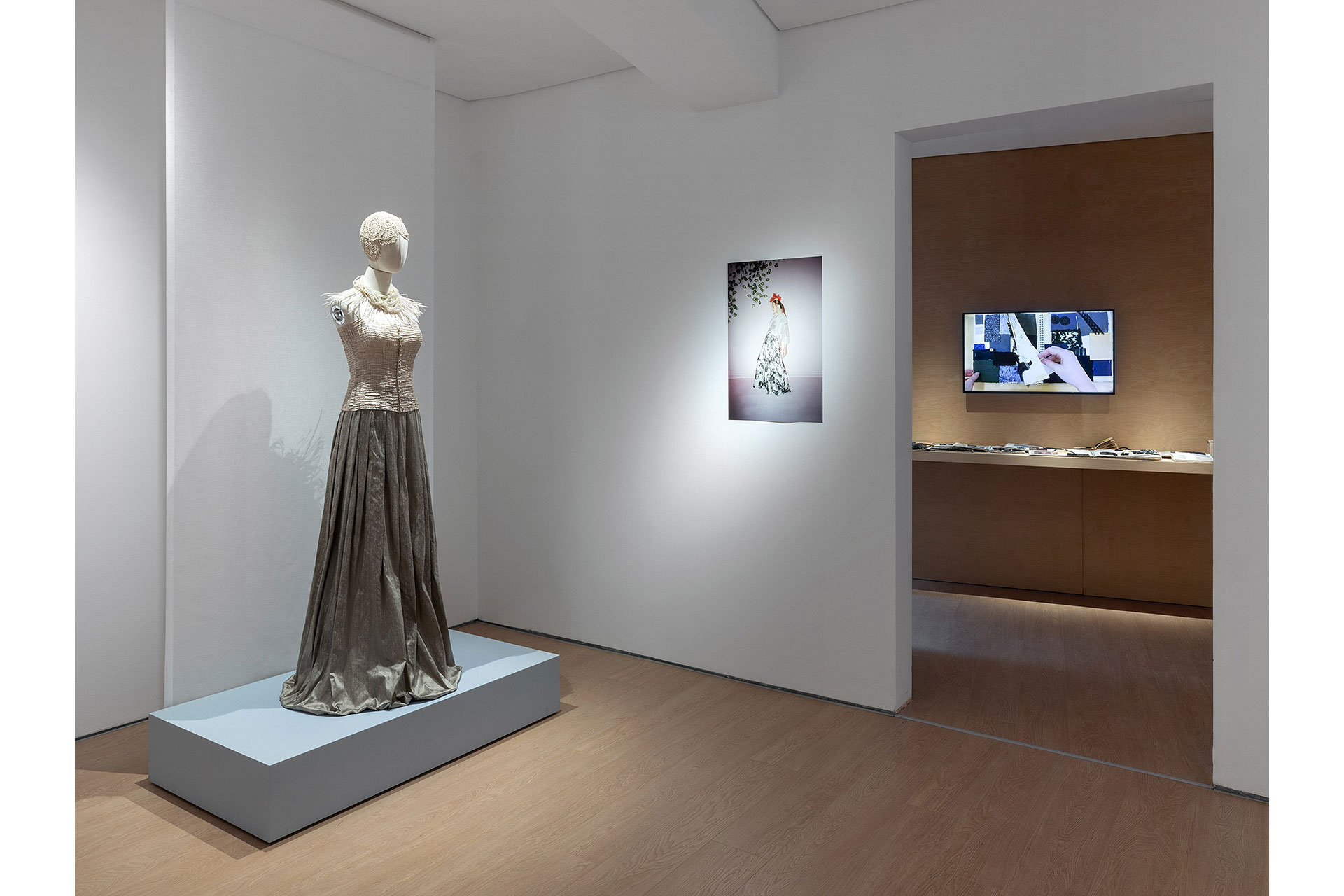
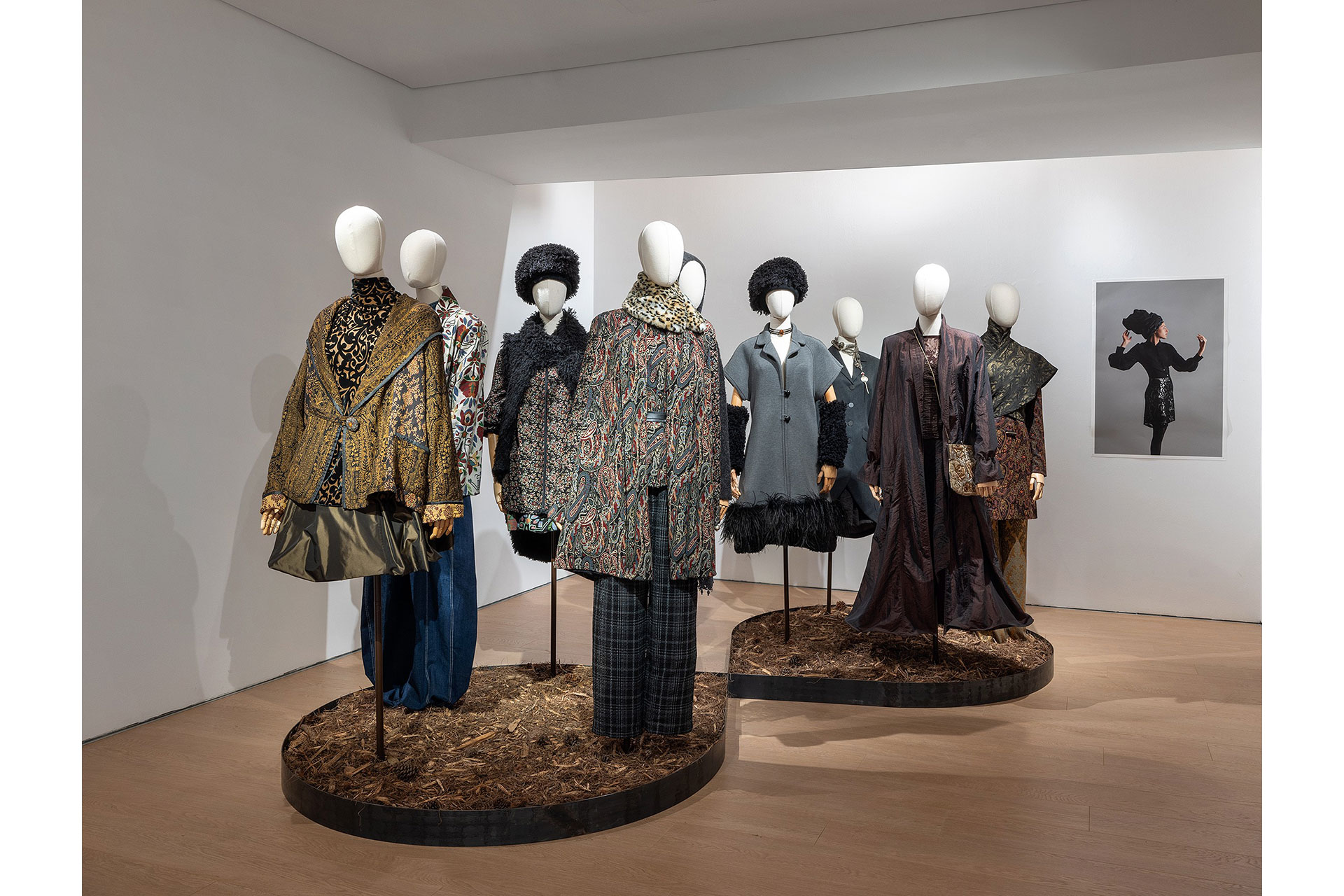
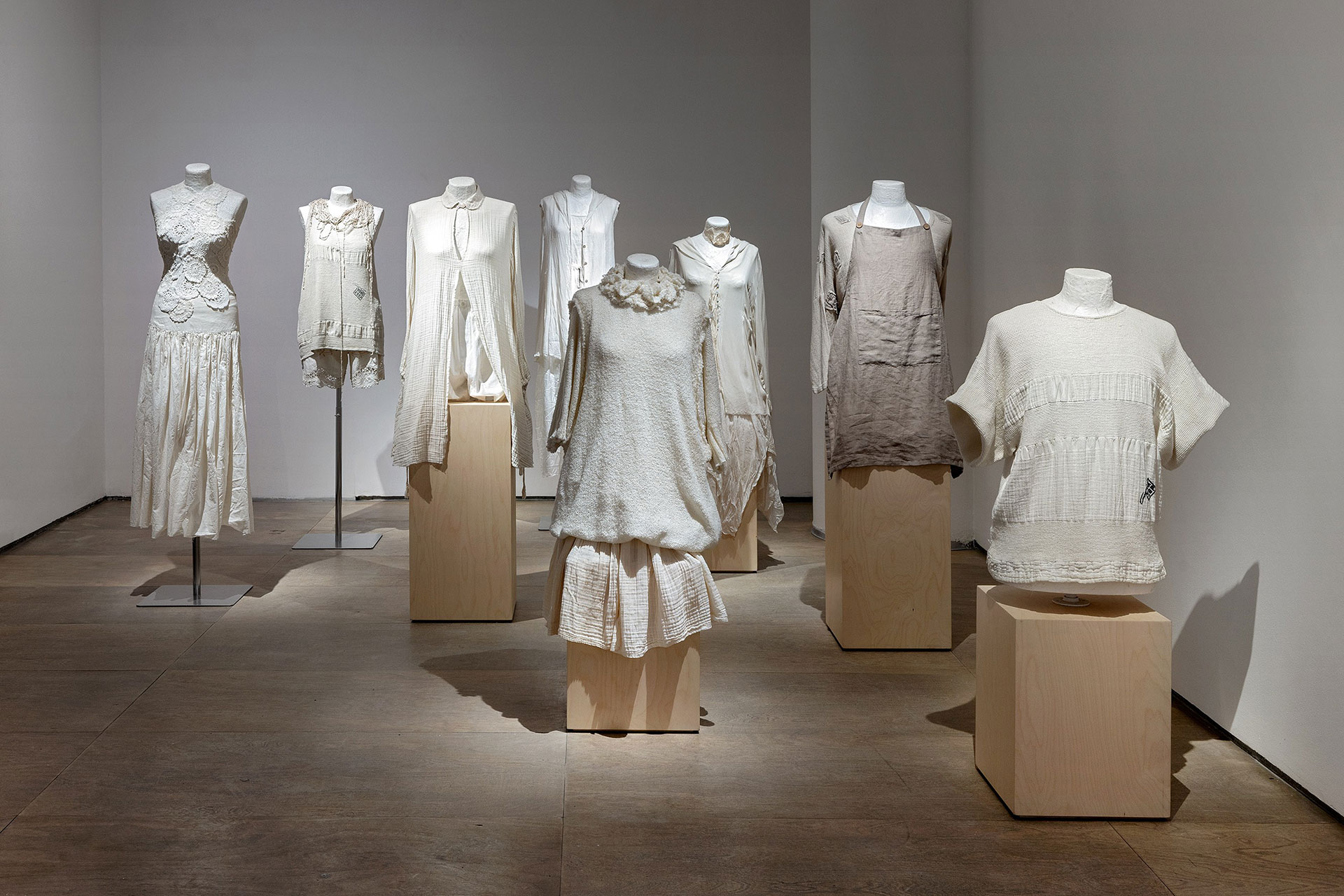
In the rectangular gallery spaces, a clear and modular lighting geometry was established parallel to the walls, delivering uniform, adaptable illumination suitable for a wide range of exhibition formats. Where structural beams interrupted ceiling continuity, the lighting rhythm was carefully paused and resumed, preserving visual order and legibility. Passage spaces, characterised by greater density and movement, were treated with restraint through minimal linear lighting and precisely positioned TicTok Mono Point spotlights from formalighting, reducing visual clutter while retaining curatorial flexibility.
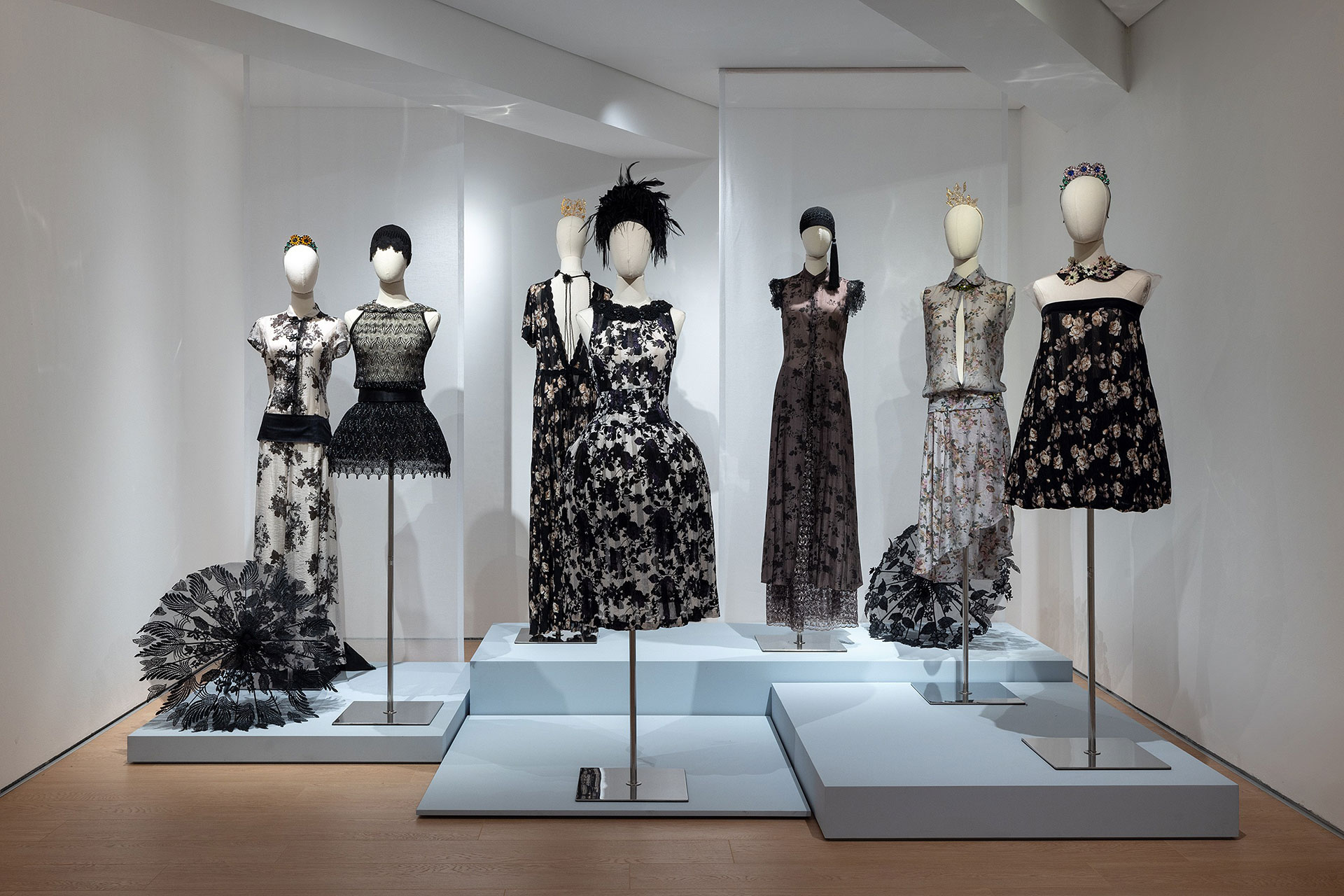
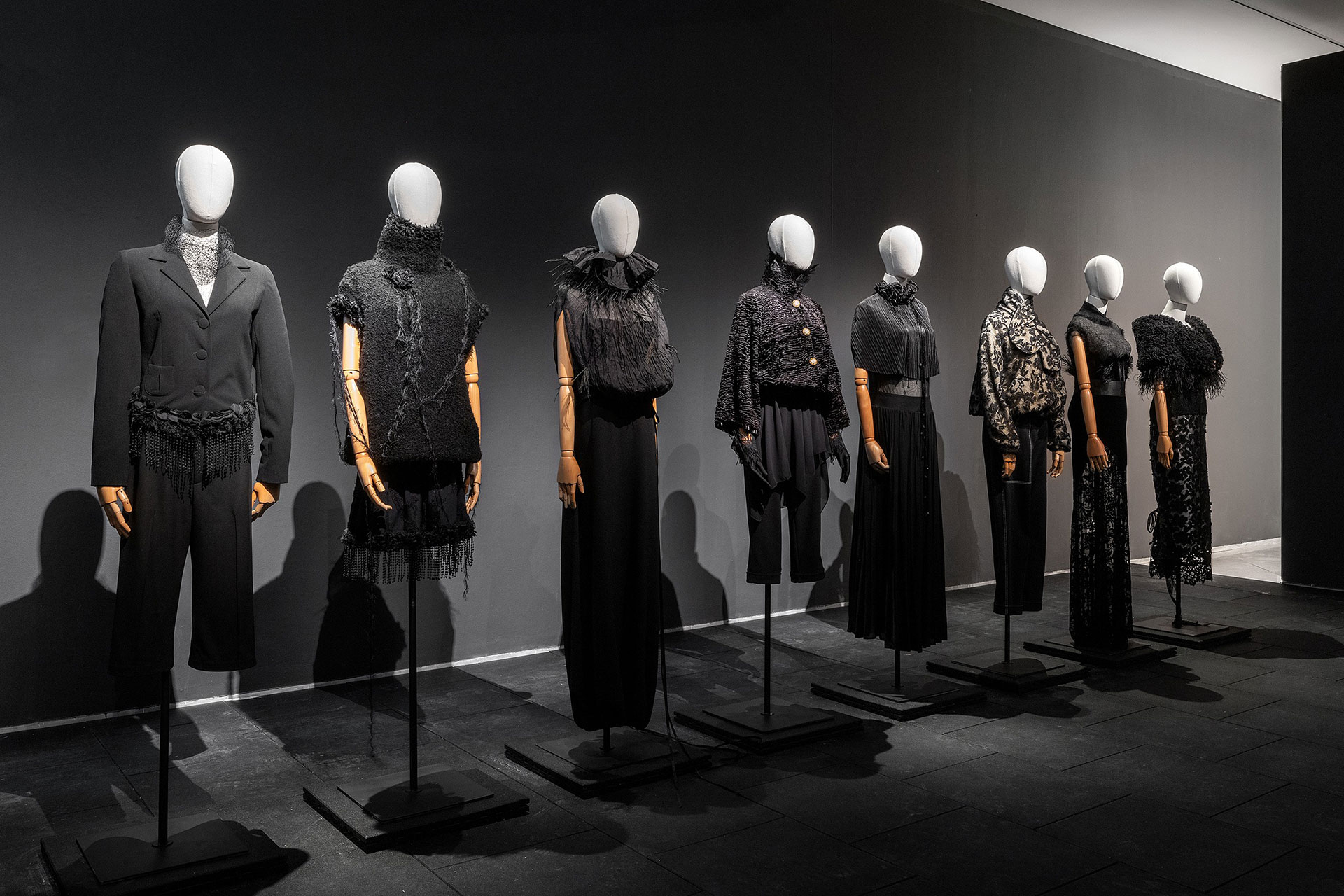
Sustainability and longevity were central to the project’s success. The lighting system prioritises modular luminaires with long-life LED technology, replaceable components, and excellent colour rendering (CRI 95–97+), ensuring both energy efficiency and accurate artwork presentation.
Individual dimming on each fixture allows intuitive operation without reliance on complex control systems, reducing long-term operational load while empowering curators to adapt lighting conditions for each exhibition.
The resulting lighting design is precise, flexible, and quietly expressive. It enhances architectural clarity, supports curatorial intent, and demonstrates how carefully considered lighting can bring order to complexity while shaping atmosphere, movement, and narrative within a contemporary museum environment.