

The Interactive Museum of Economics (MIDE) presented a unique lighting design challenge: to illuminate ideas rather than objects. Housed within an 18th century heritage building in the historic centre of Mexico City, the museum seeks to make complex economic systems accessible through immersive, experiential museography. Lighting was conceived not as a background technical layer, but as a primary narrative device that supports interpretation, orientation and emotional engagement.
Unlike conventional museums, MIDE exhibits concepts, data and behaviours through large-scale graphics, interactive media, scenographic elements and spatial storytelling. The lighting design therefore prioritised the visitor’s journey – before, during and after the visit – guiding perception and comprehension while respecting the architectural and historical integrity of the building.
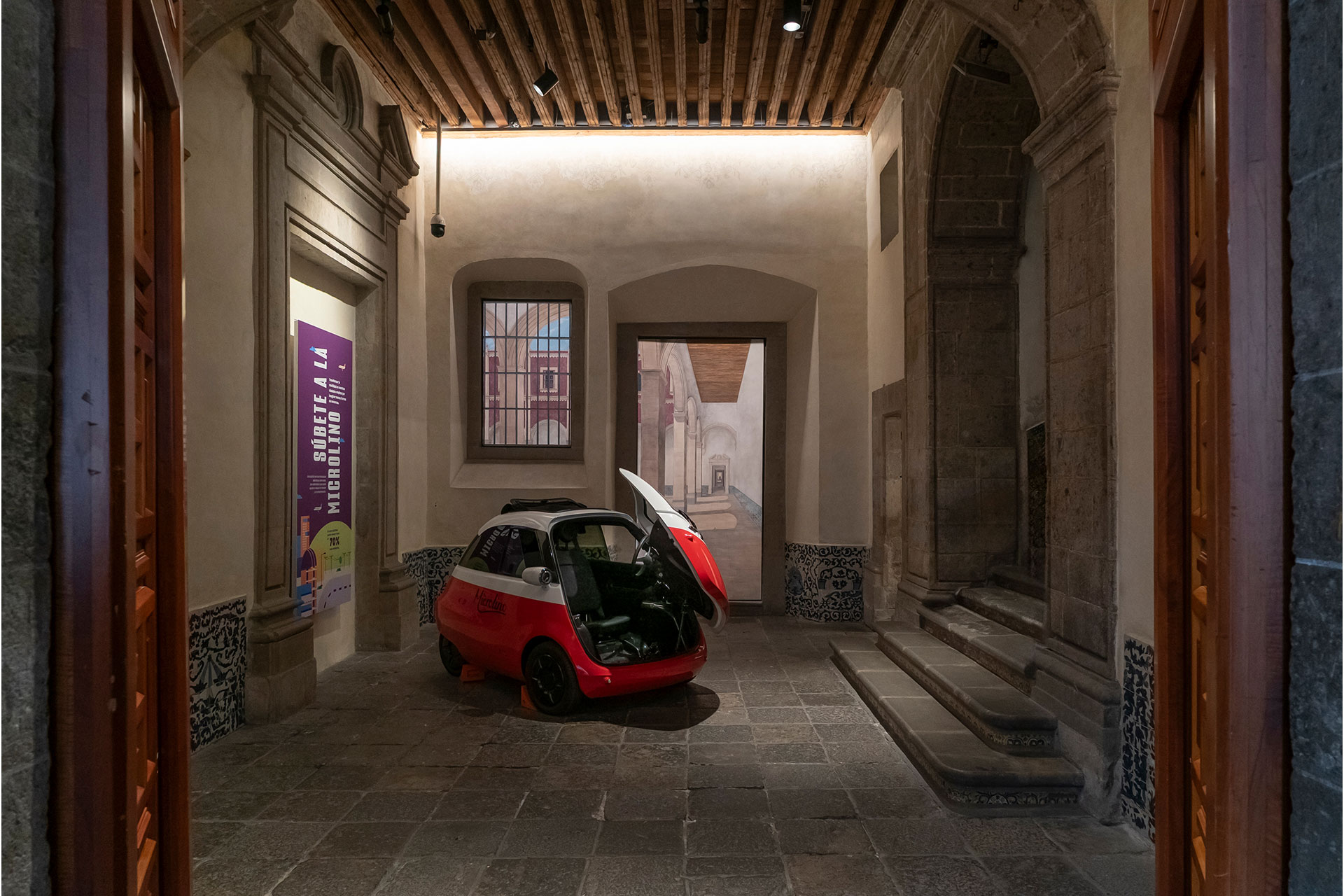
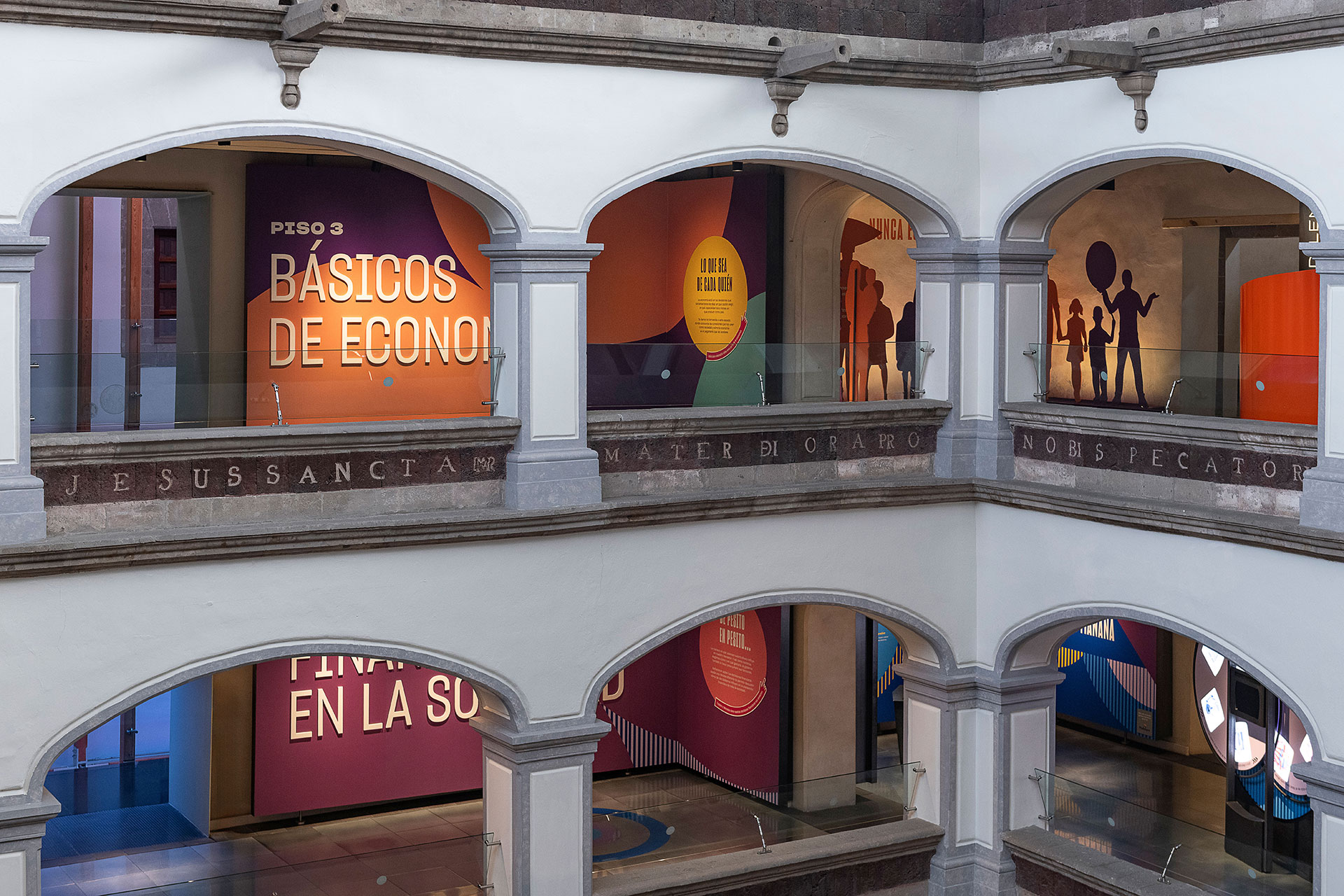
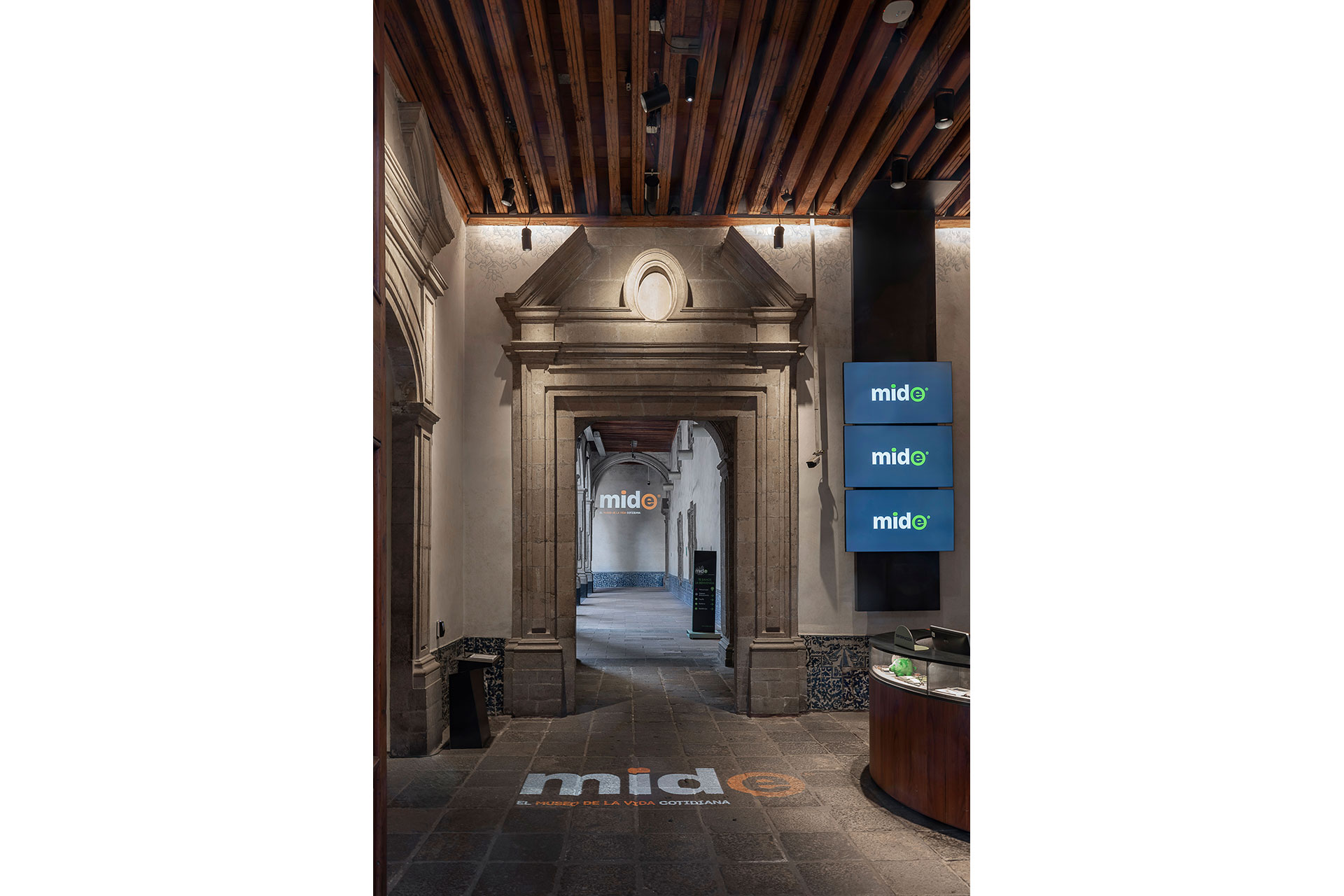
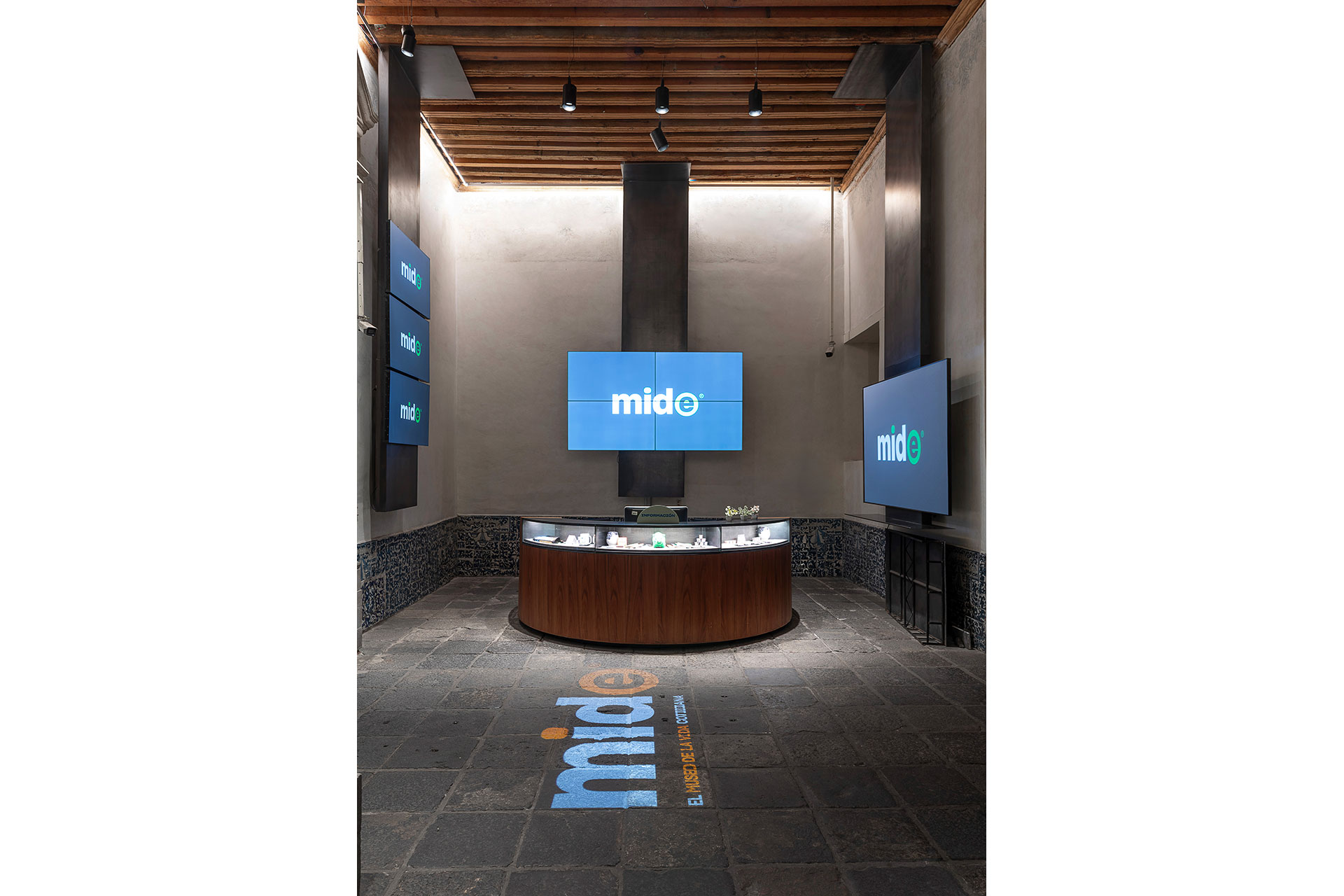
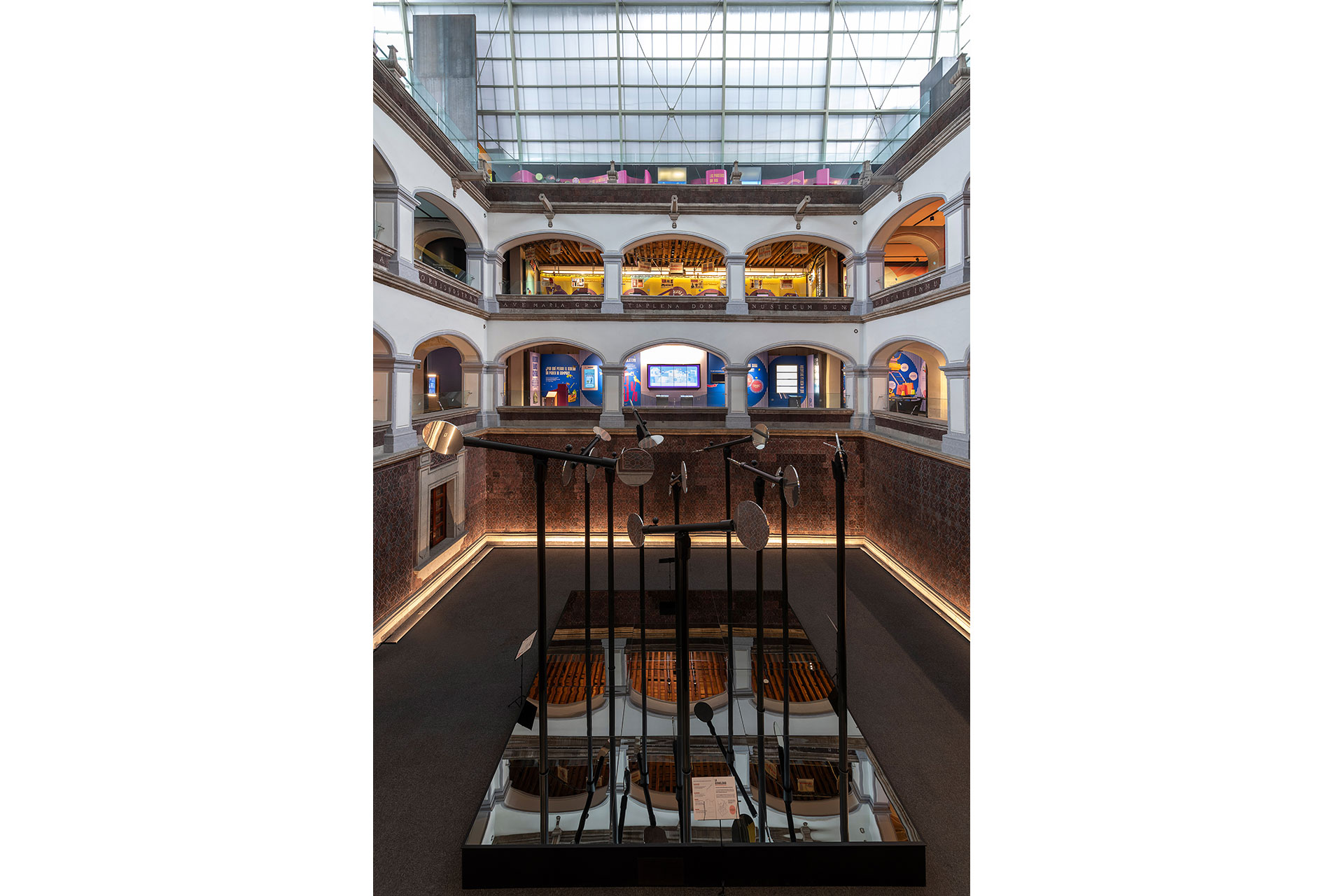
At the urban scale, the lighting strategy begins at the entrance. Key architectural features of the historic façade are carefully accentuated, enhancing visibility from the street and inviting passers-by into the building. Inside, the transition space and main staircase feature two trompe-l’œil optical illusions that evoke the former courtyard, using light to create a sensory and conceptual link between the building’s past and its contemporary cultural function.
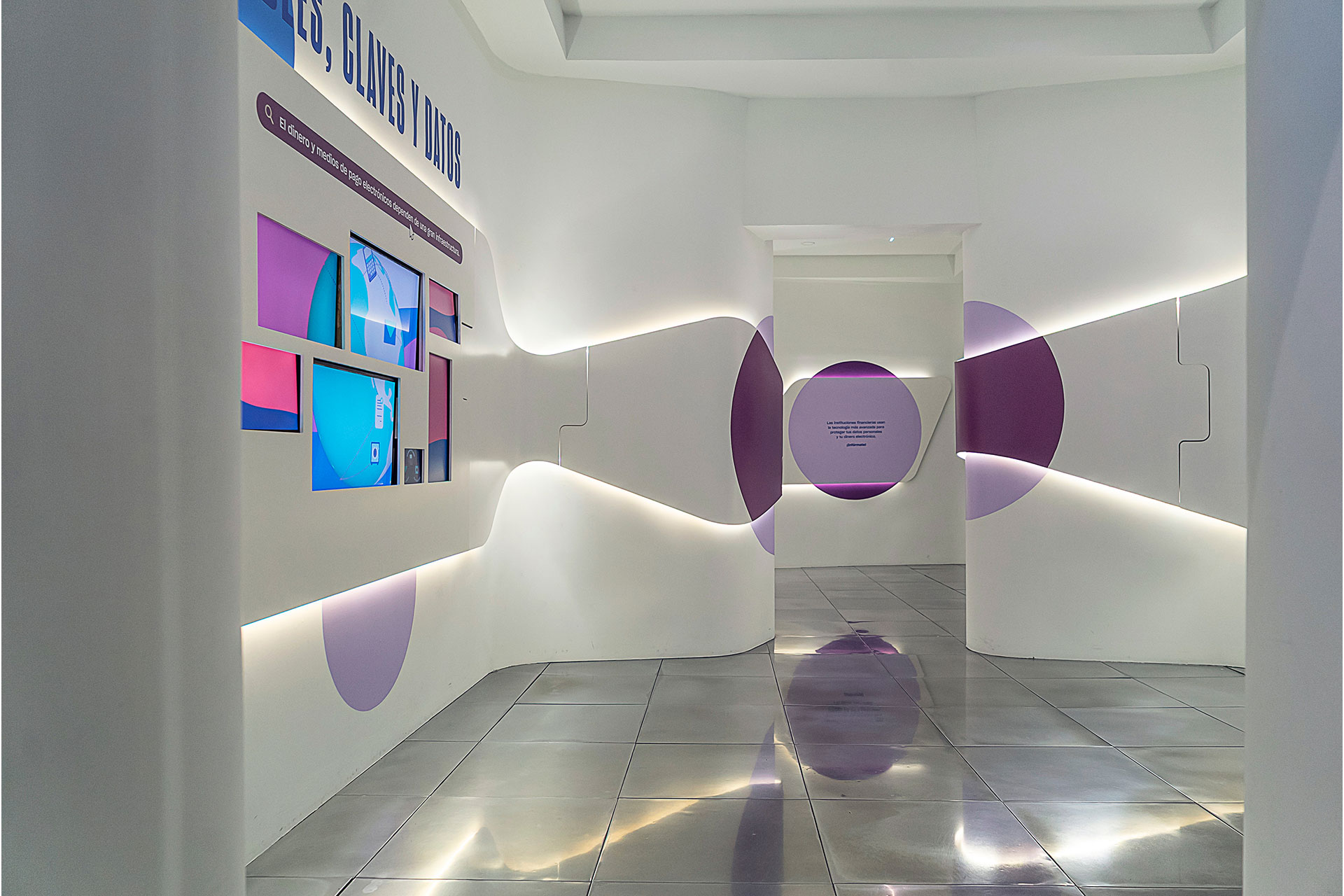
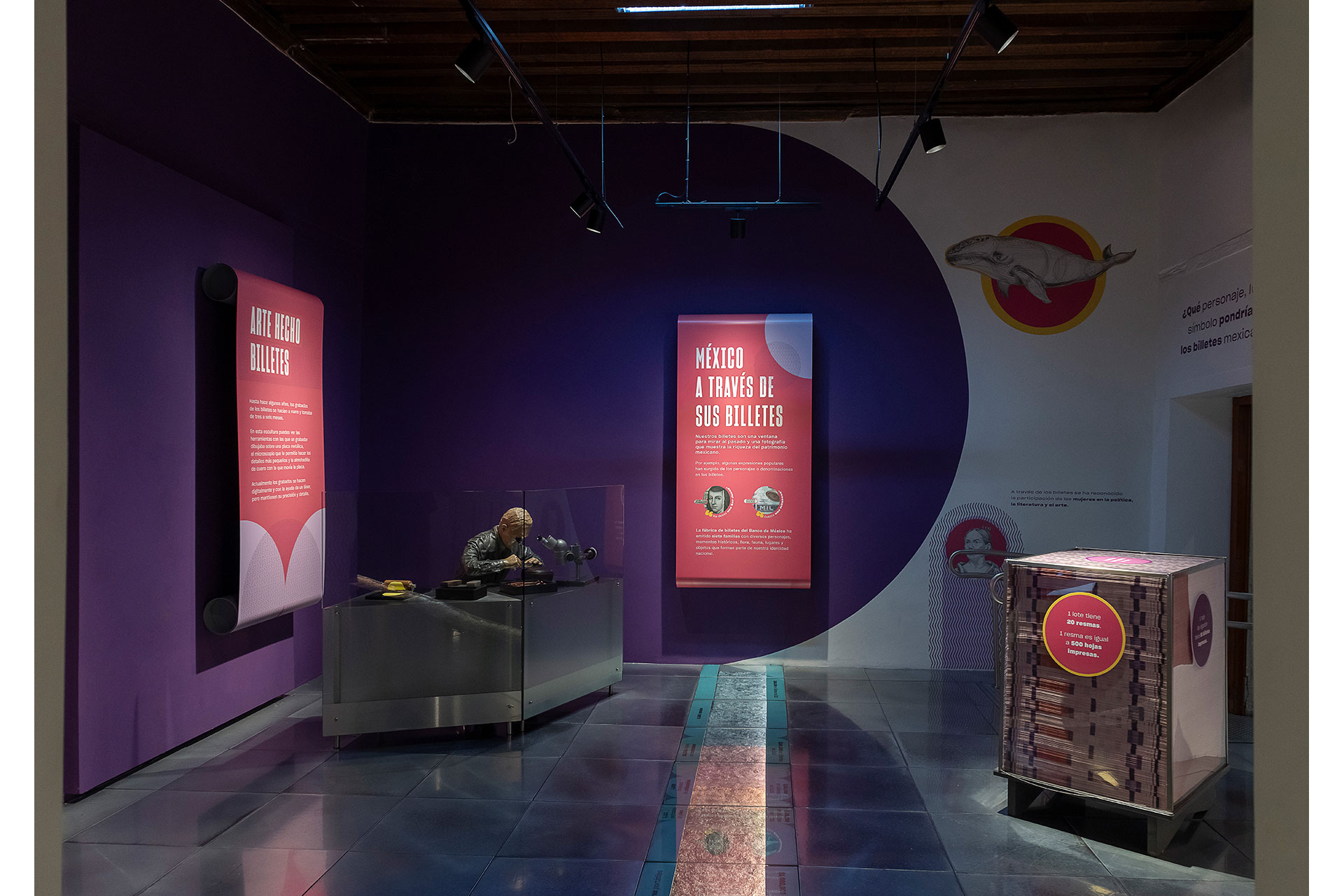
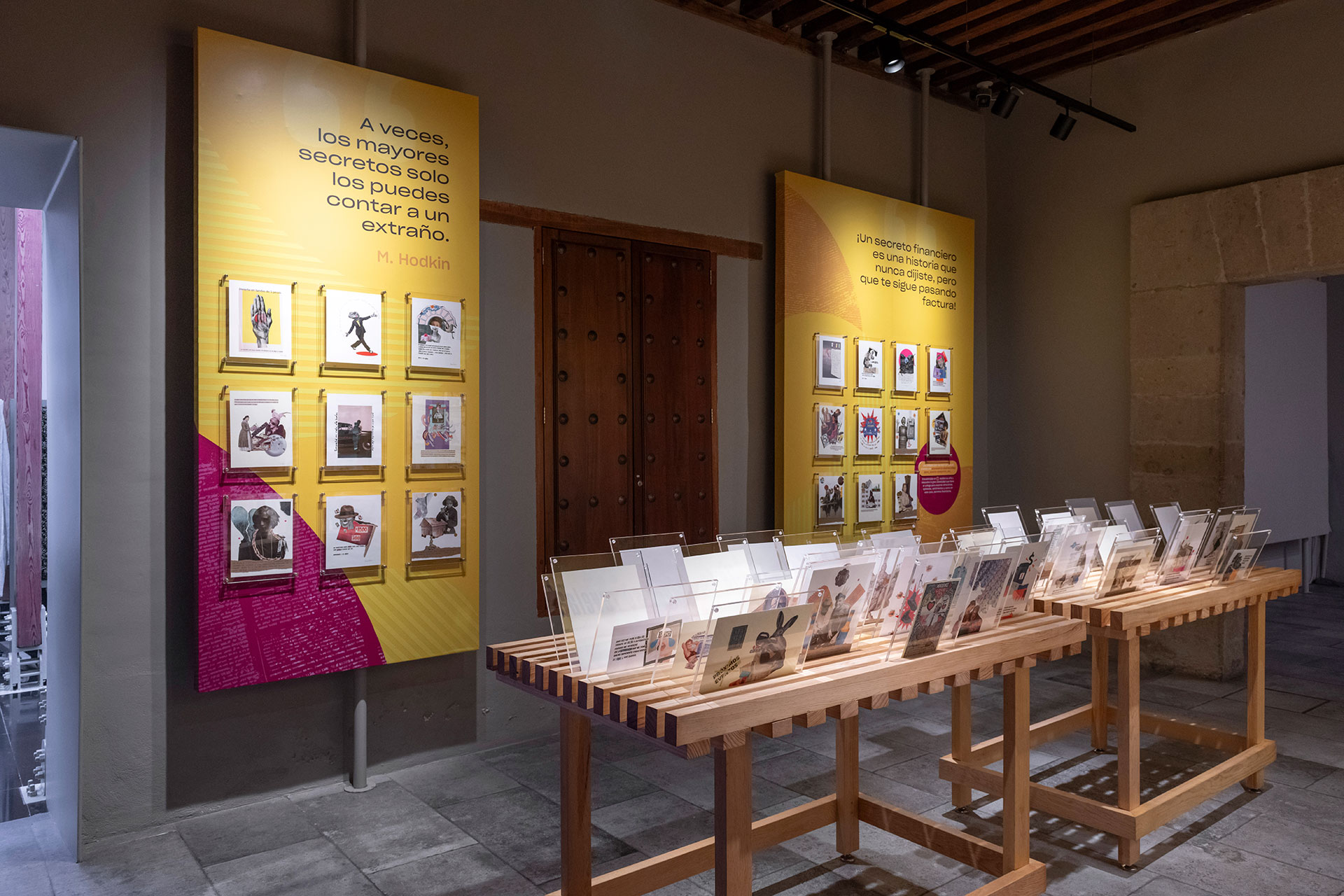
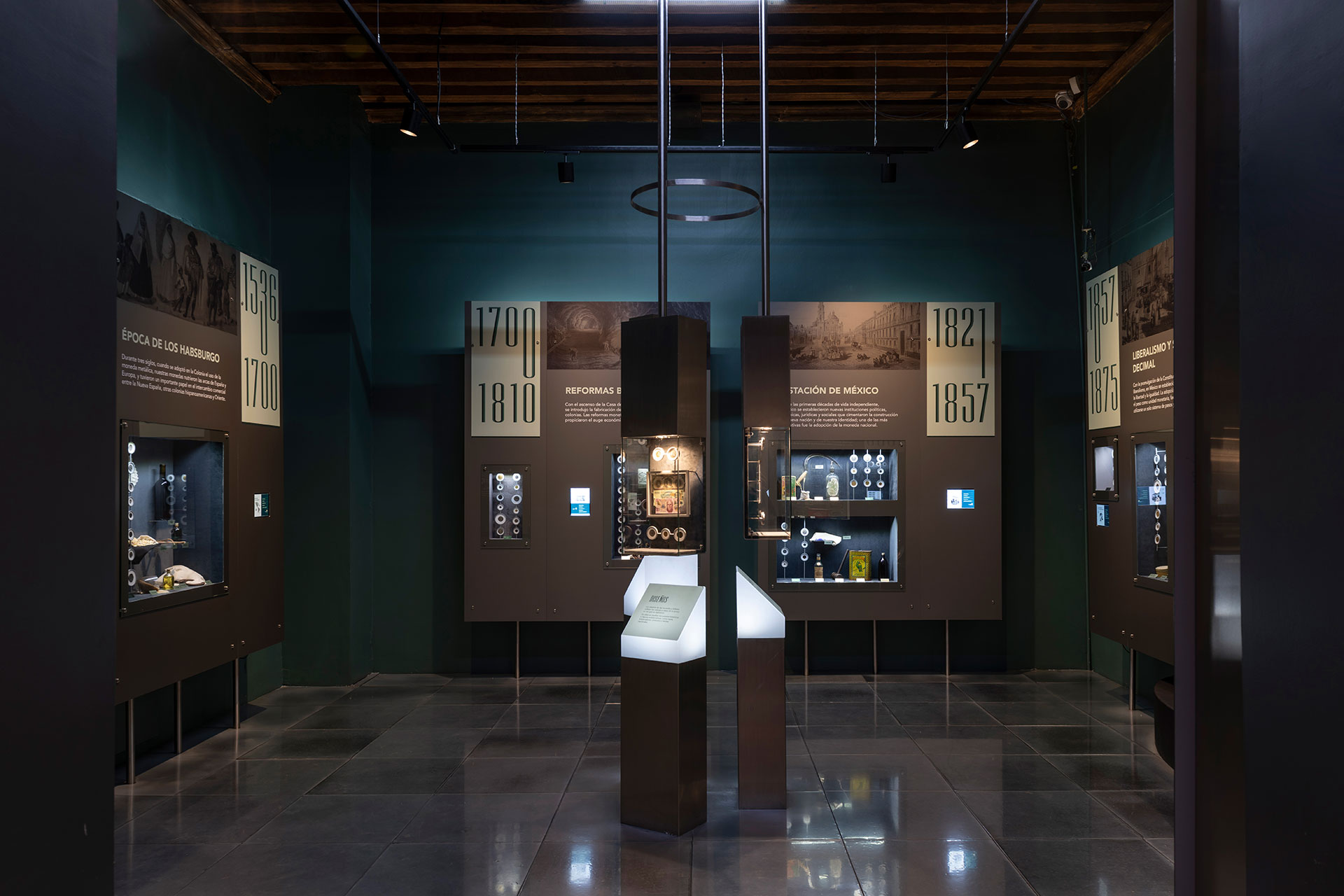
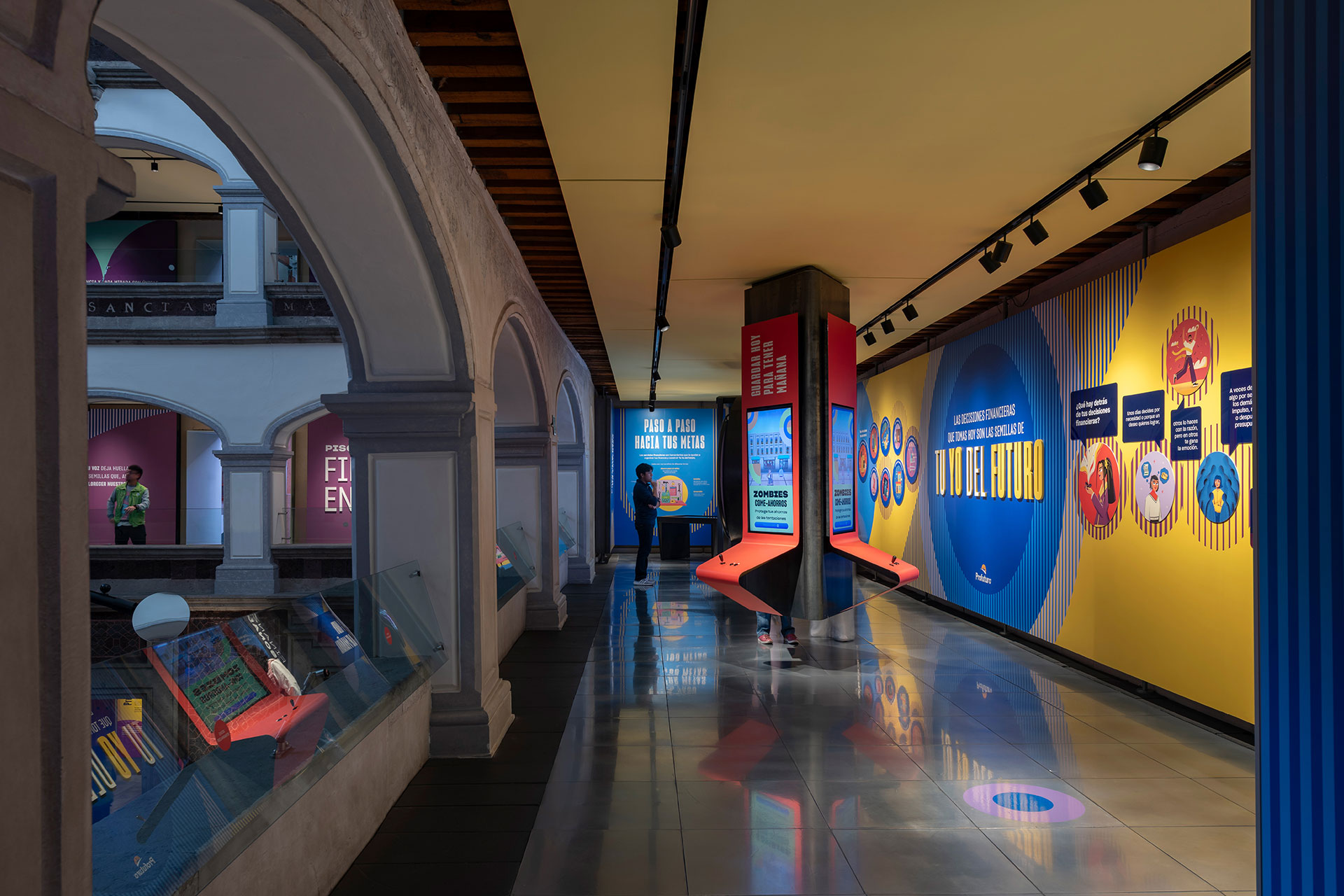
Throughout the galleries, lighting plays a critical role in shaping atmosphere and legibility. It responds sensitively to the materiality and colour palette of the architecture, while ensuring the clear reading of extensive graphic and written content. Particular attention was given to the illumination of interactive installations and supporting artefacts, allowing them to stand out without visual clutter or distraction. Balanced light levels create a warm, comfortable environment that encourages exploration and sustained engagement.
The design process was underpinned by detailed lighting studies and simulations. The precise positioning, aiming, beam angles and output of each luminaire were meticulously analysed to minimise glare and avoid interference with screens and reflective surfaces. Where required, light was seamlessly integrated into bespoke furniture as part of the museographic narrative, reinforcing the idea that lighting is embedded within the storytelling rather than applied to it.
All luminaires used are formalighting’s high-performance LED fixtures with excellent colour rendering, ensuring visual clarity and consistency across the diverse exhibition spaces. A wireless lighting control system from CASAMBI allows individual control of each fitting, enabling subtle contrast and emphasis between objects, graphics, images and text, and providing flexibility for future curatorial changes.
Working within the constraints of a protected heritage building, the entire intervention was designed to be fully reversible. Contemporary lighting and engineering systems were integrated to the highest safety and quality standards without compromising regulatory compliance or the historic fabric.
The resulting lighting design transforms MIDE into a coherent, immersive environment where light becomes a language – guiding visitors, clarifying complex ideas and supporting the museum’s mission to foster understanding of how everyday economic decisions shape a fairer and more sustainable future.