
Illuminating History: Lighting Design for the Nobile Collegio della Mercanzia, Perugia
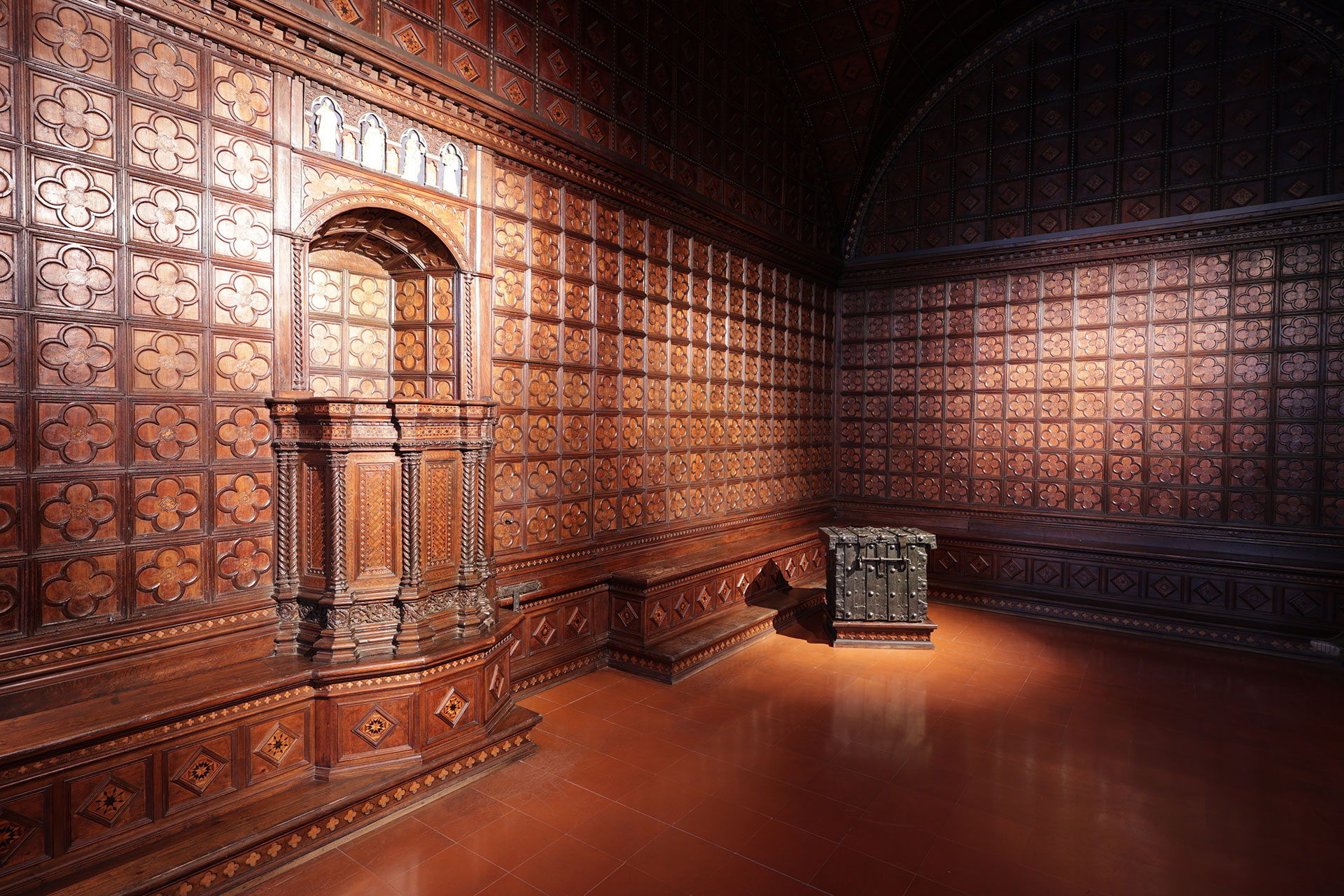
The lighting intervention for the Nobile Collegio della Mercanzia in Perugia was developed within a protected historic context, requiring precise coordination between technical performance and conservation constraints.
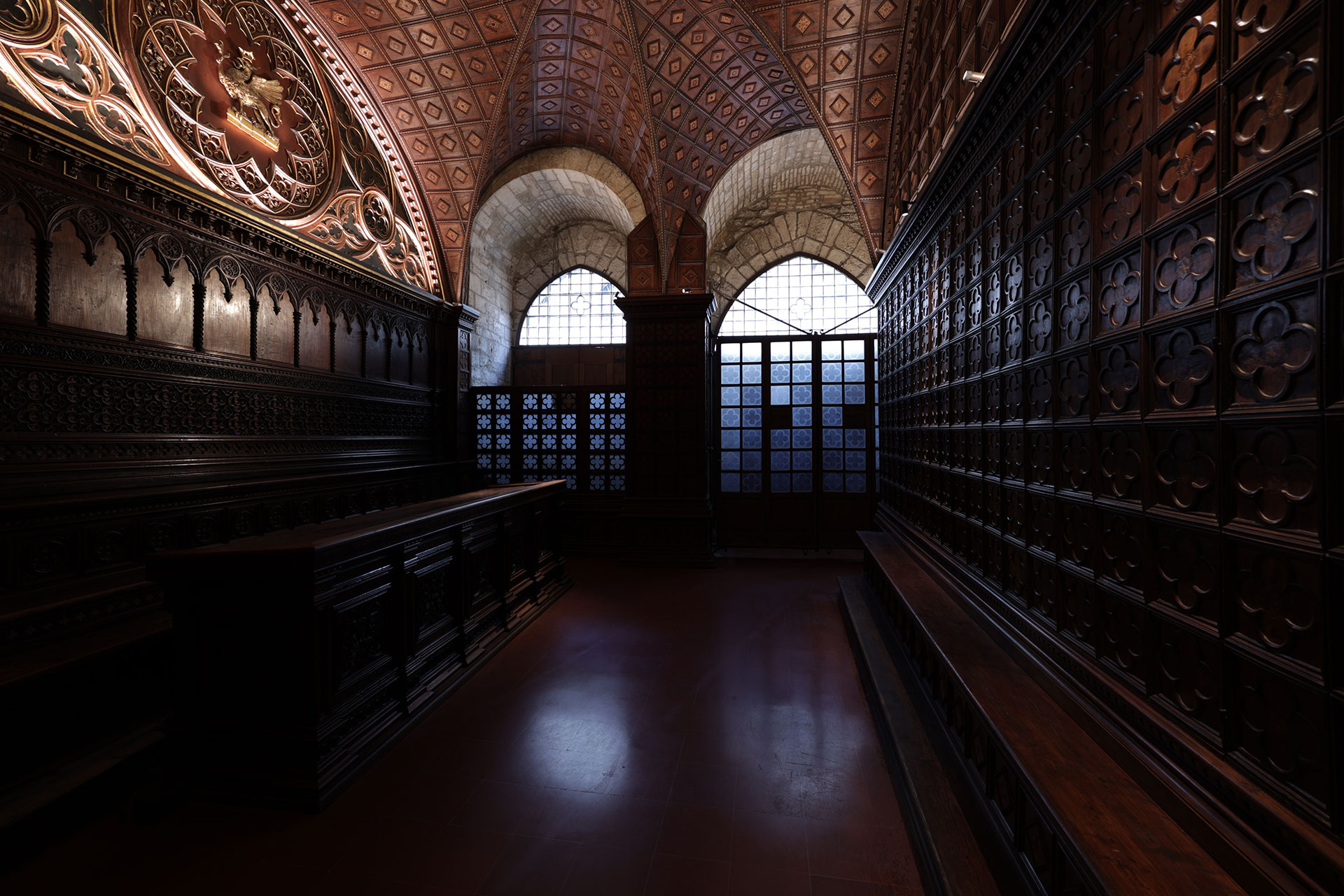
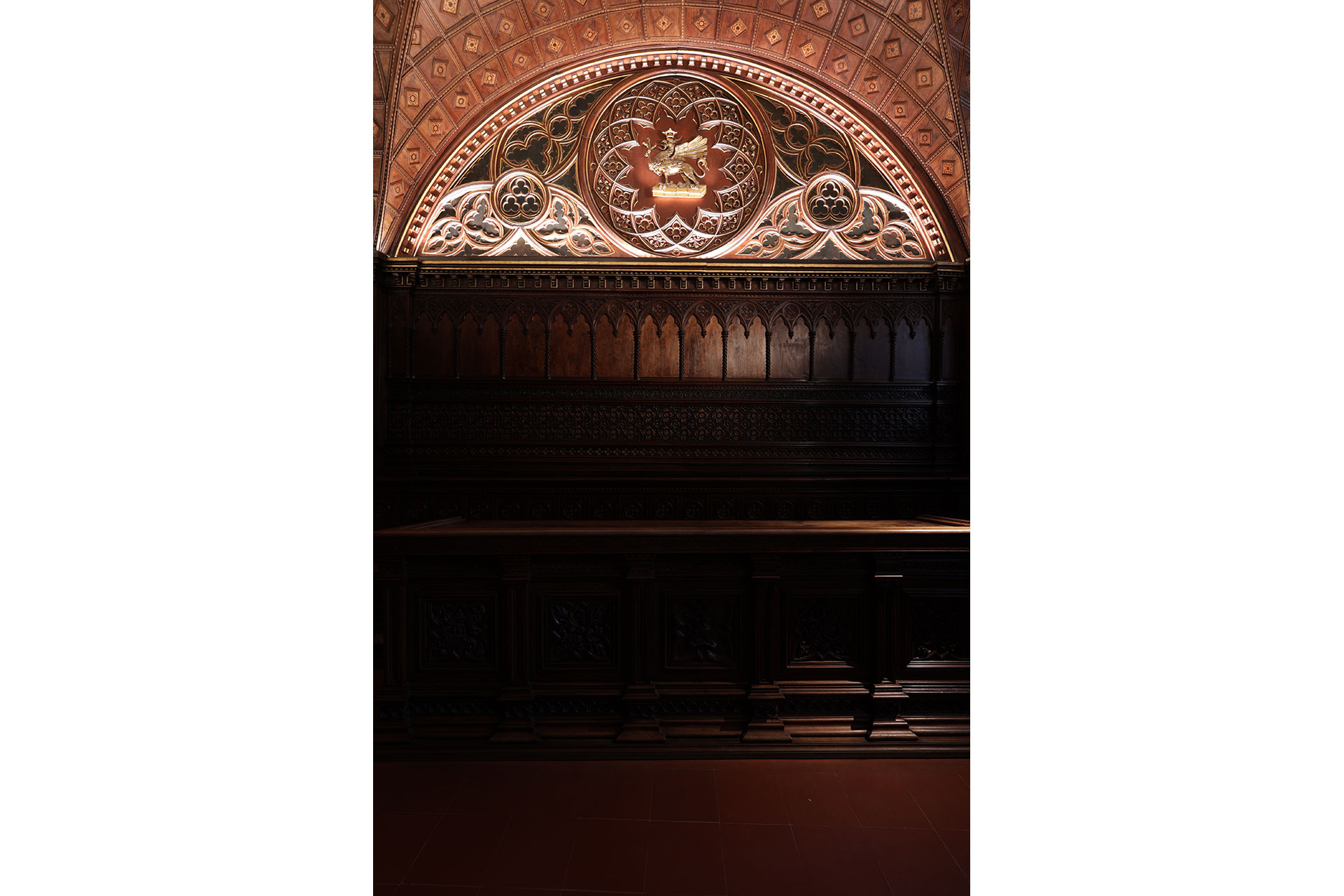
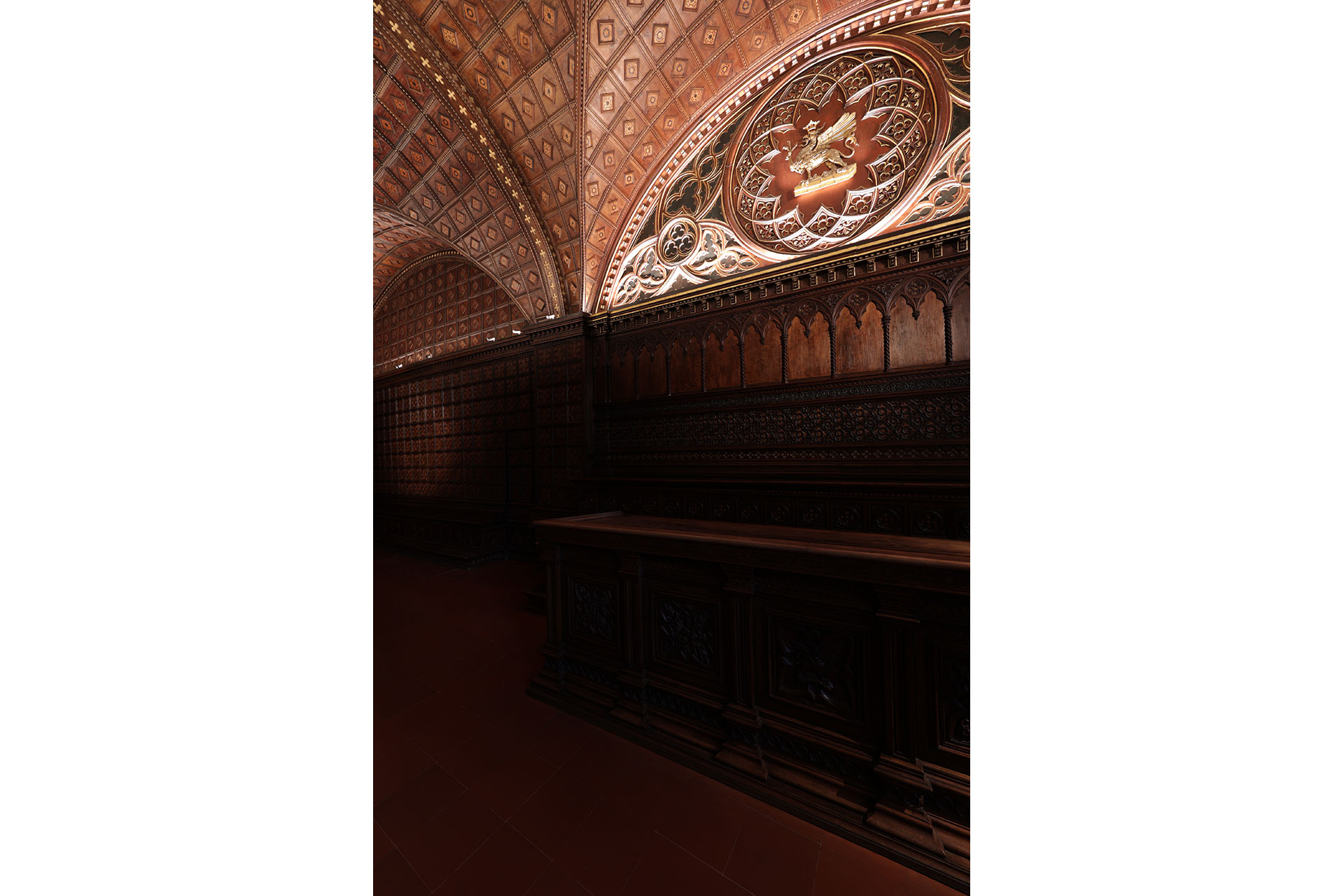
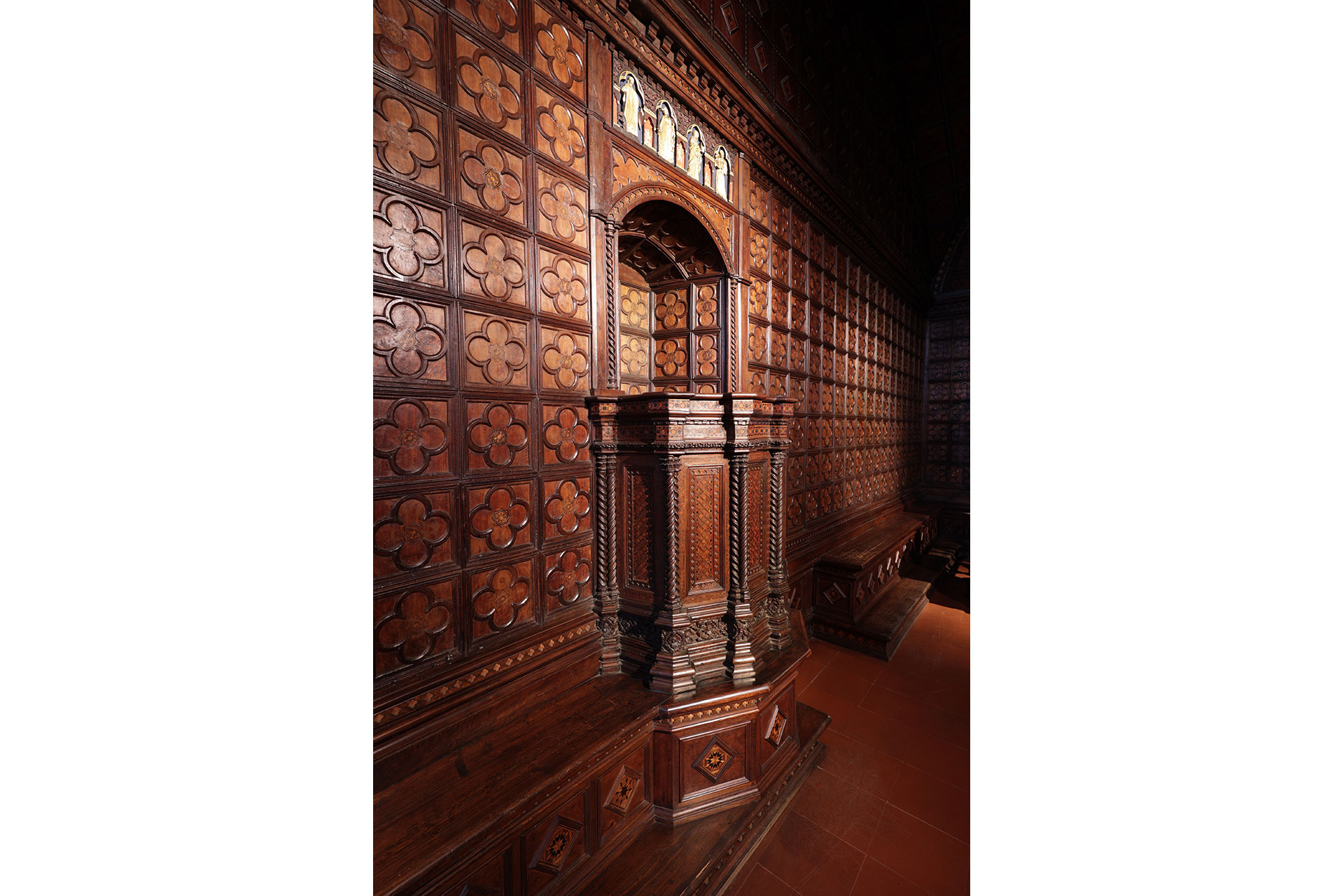
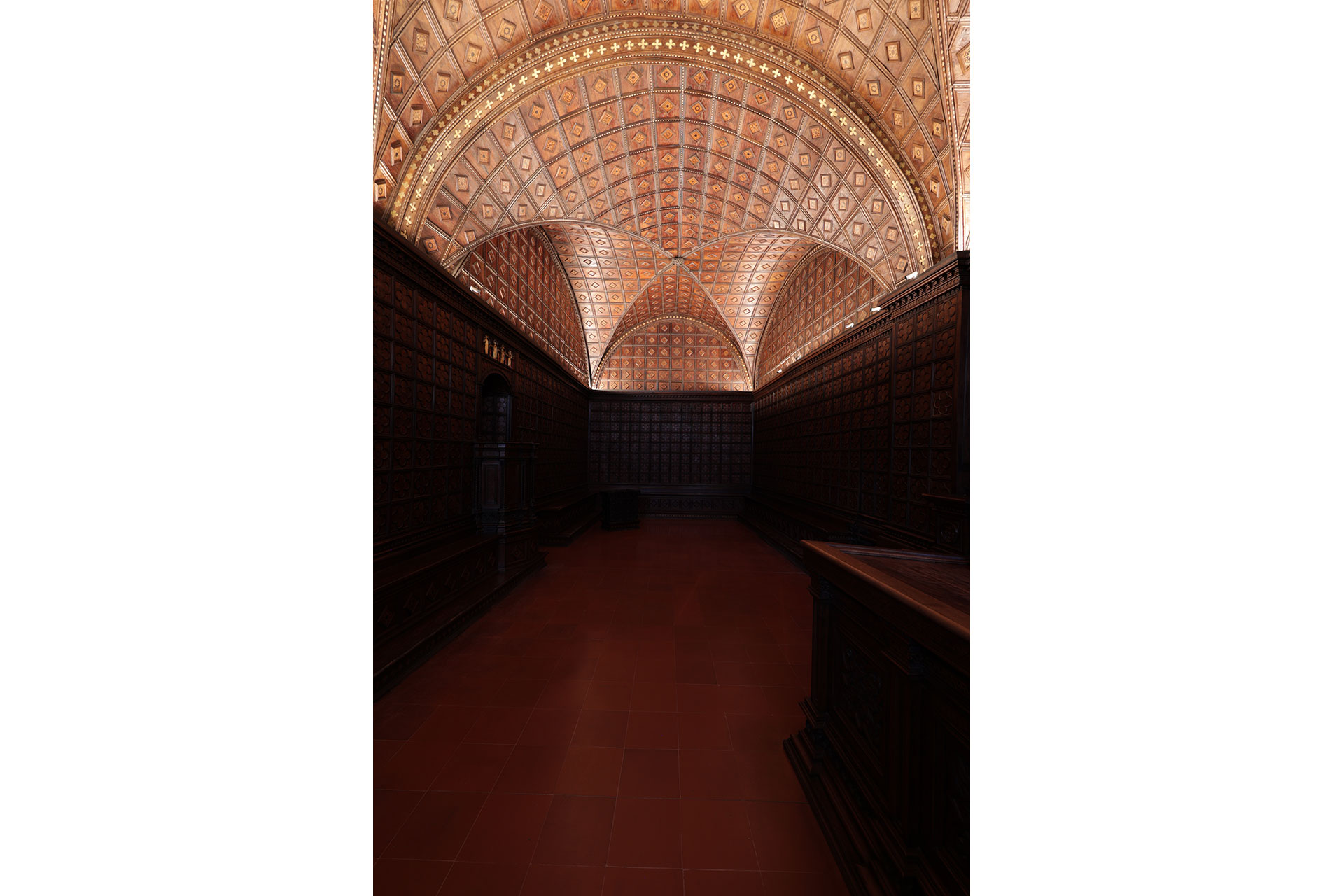
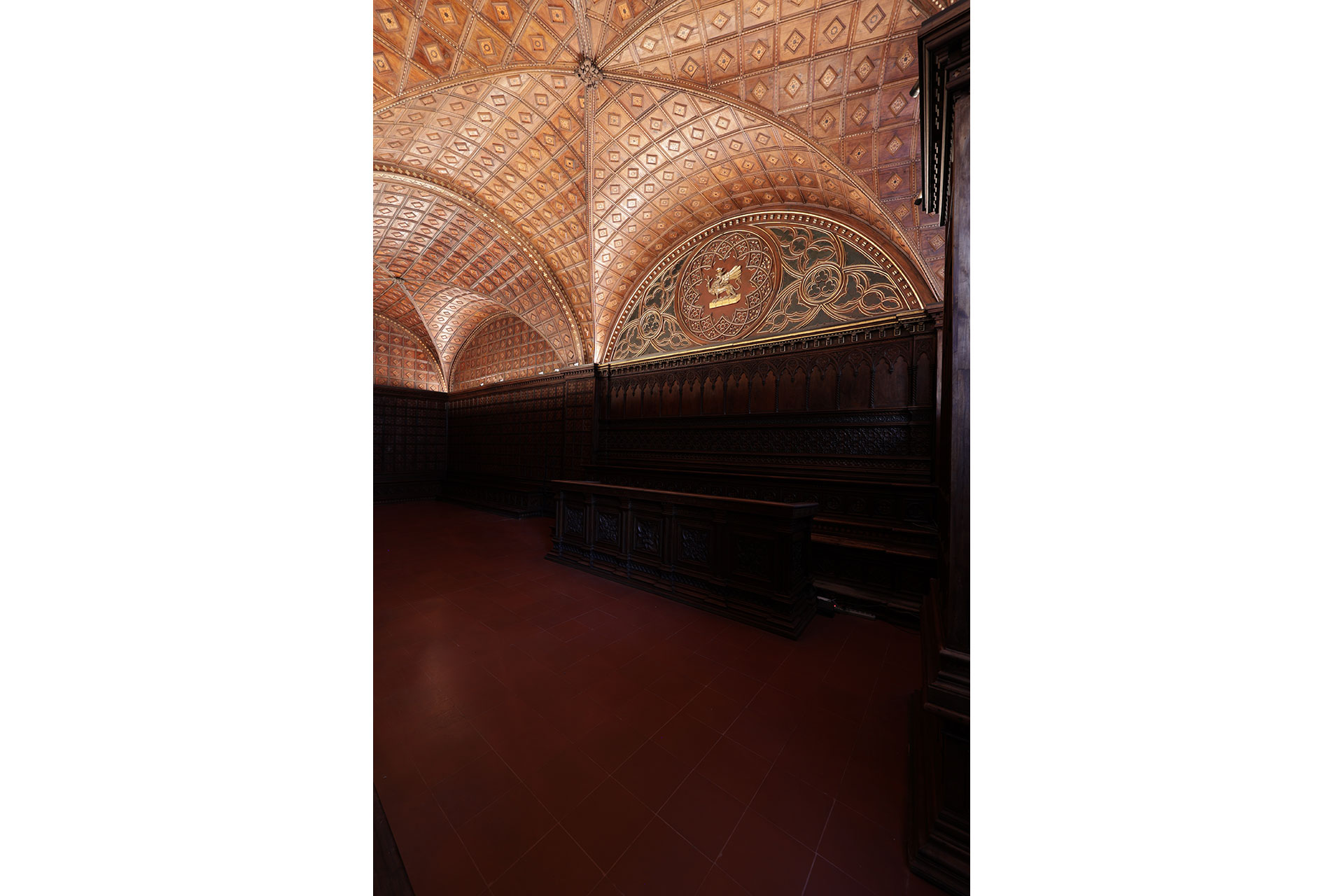
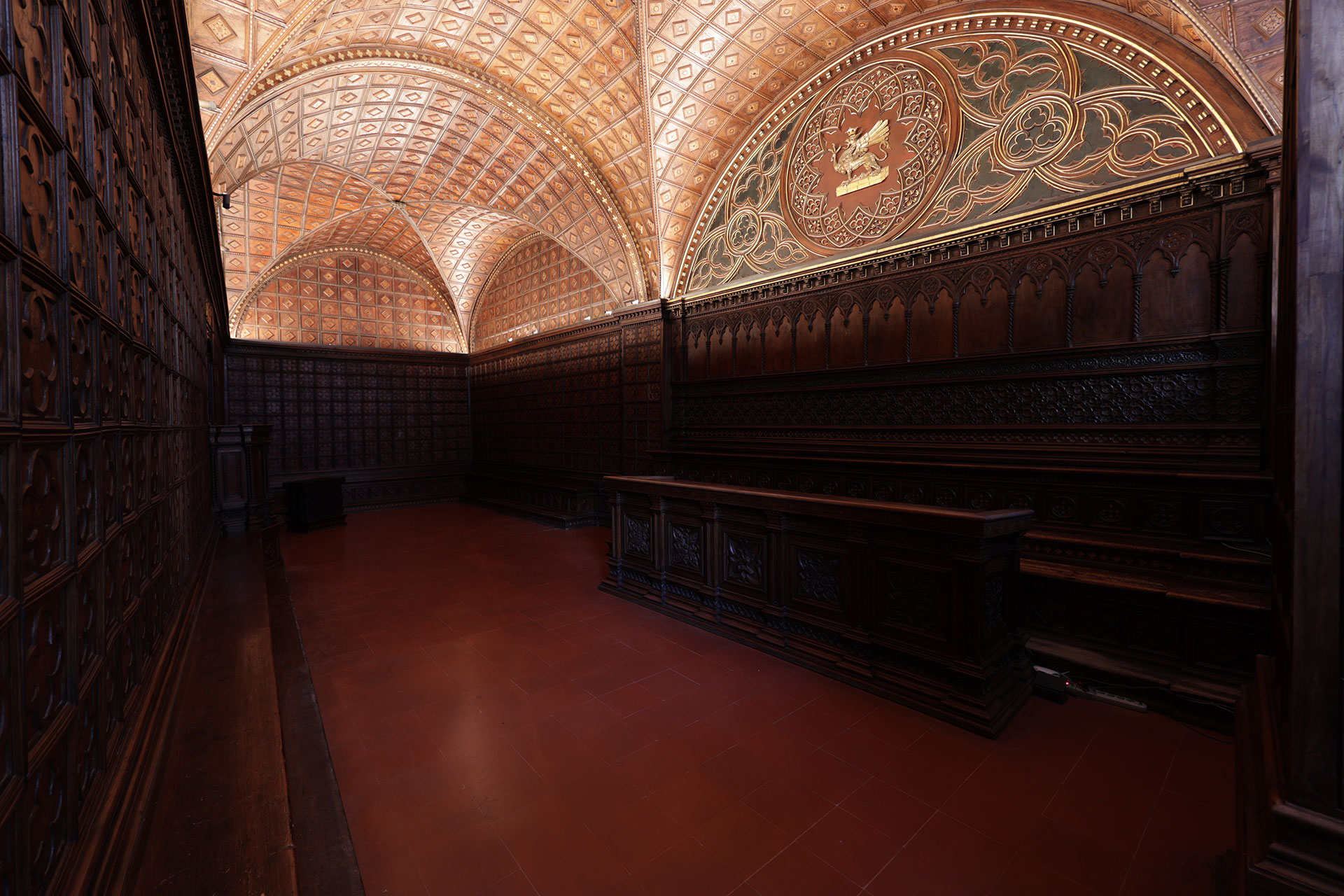
Rather than introducing a new visual layer, the project was conceived as an interpretative tool — enhancing spatial legibility while preserving the architectural integrity of the vaulted ceilings and articulated surfaces. The strategy focuses on revealing geometry and material depth without altering the historic perception of the space.
The scheme combines controlled grazing and calibrated wall washing to articulate curvature and texture while maintaining low glare conditions and balanced luminance ratios. Custom Zero55 luminaires were engineered and positioned with precision, following detailed optical studies and layout simulations, to ensure uniformity across complex vaulted geometries and vertical planes.
A DALI-based control system enables scene management and intensity modulation, providing flexibility for different functional uses of the rooms while optimising energy performance.
Particular attention was given to reversibility and minimal physical intervention. Fixture integration and mounting solutions were designed to comply with heritage protection requirements, ensuring that the installation remains discreet and technically coherent within the historic fabric.
The project does not seek dramatic emphasis; instead, it establishes a measured luminous hierarchy that clarifies spatial rhythm and structural form. Light becomes an instrument for reading architecture — controlled, integrated and respectful.
The result is a technically rigorous lighting strategy that supports heritage preservation through precision optics, restrained integration and calibrated perception.