

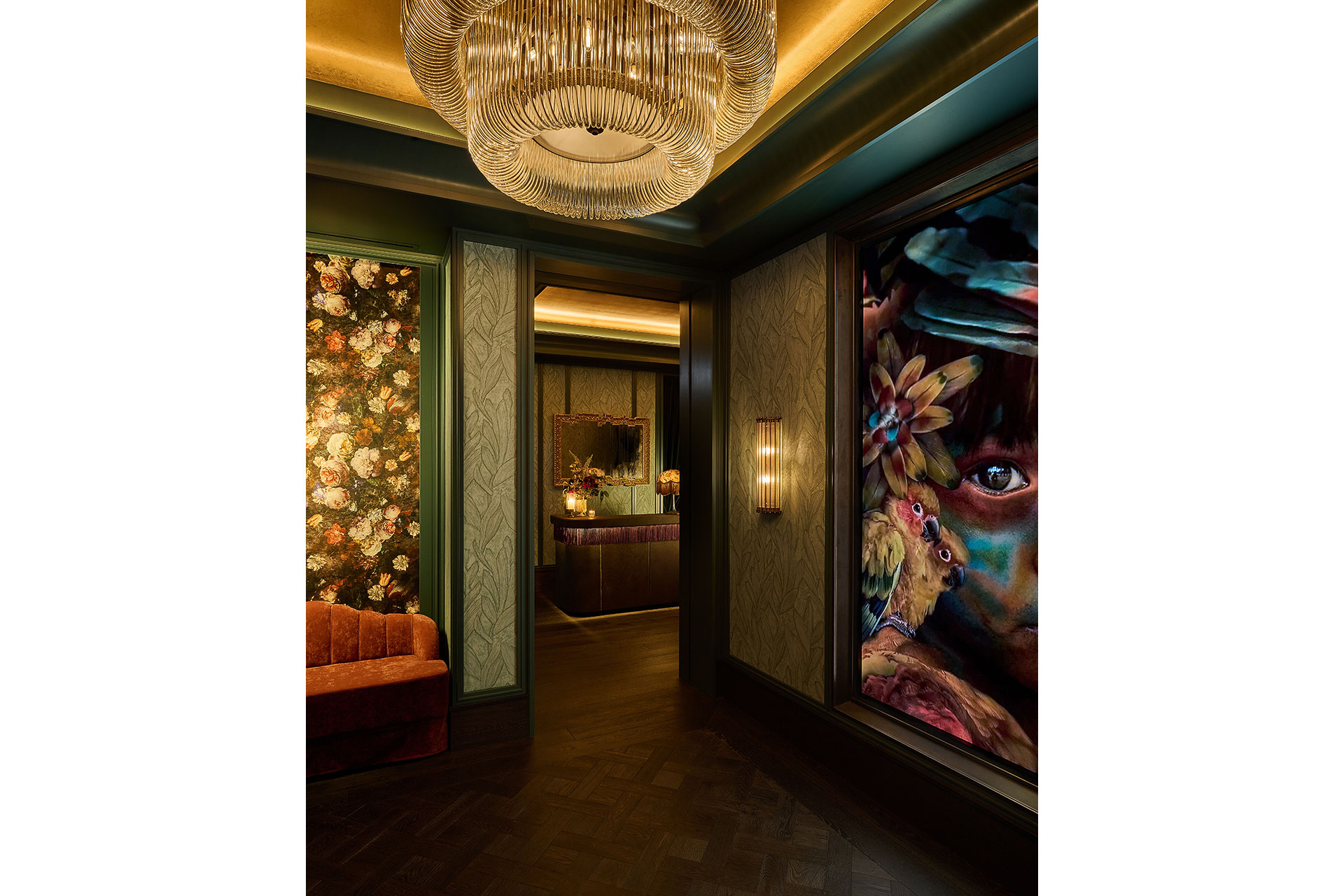
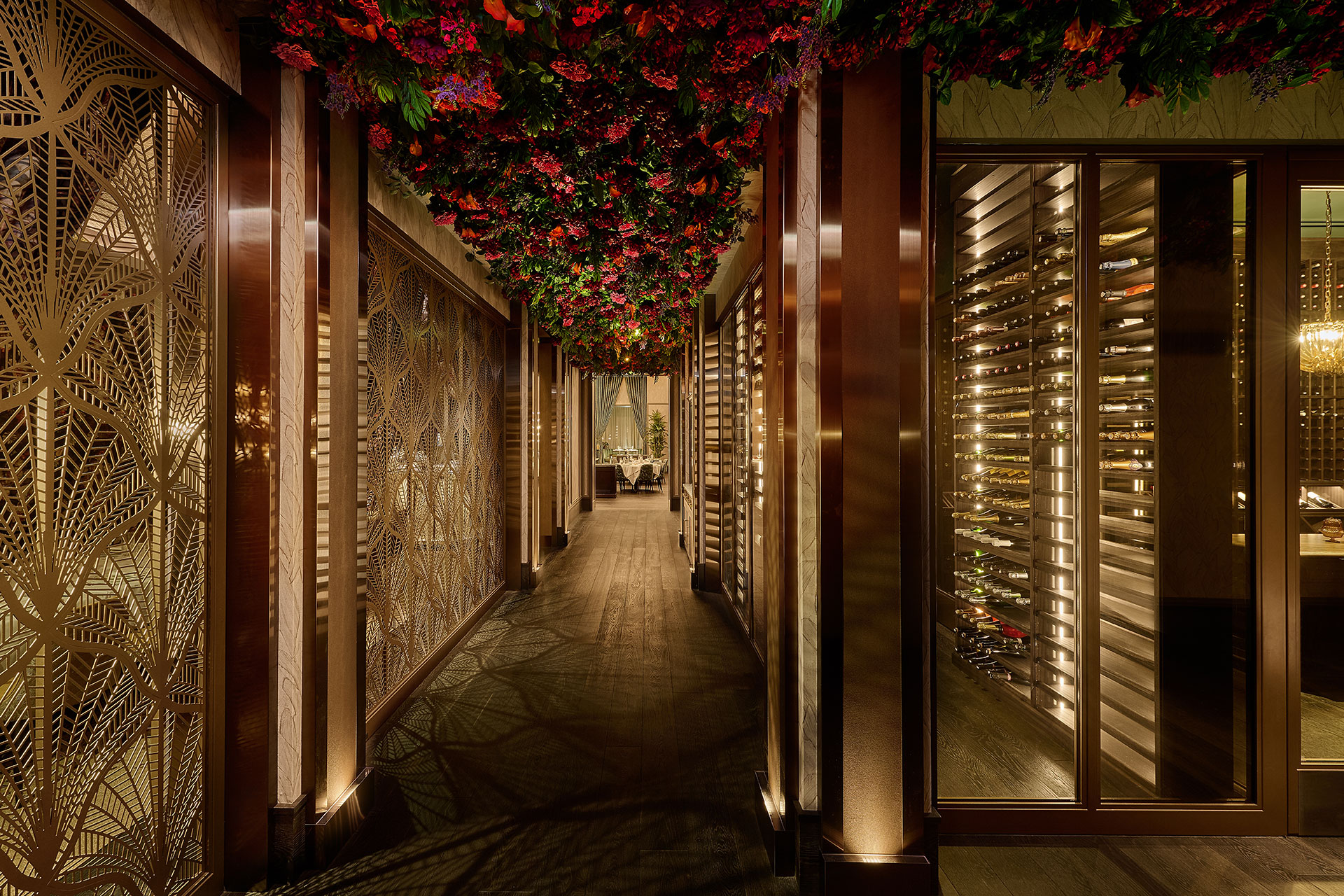
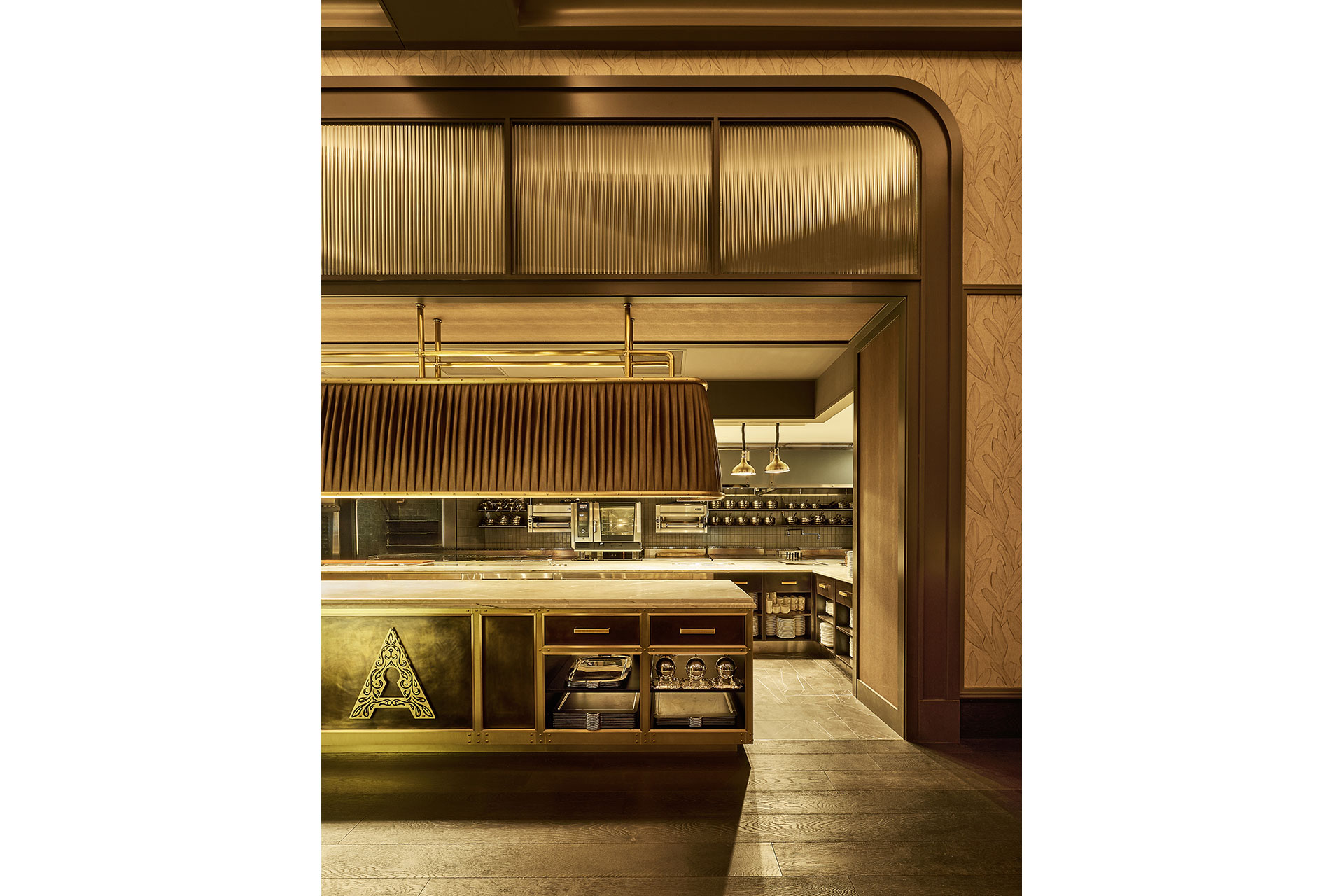
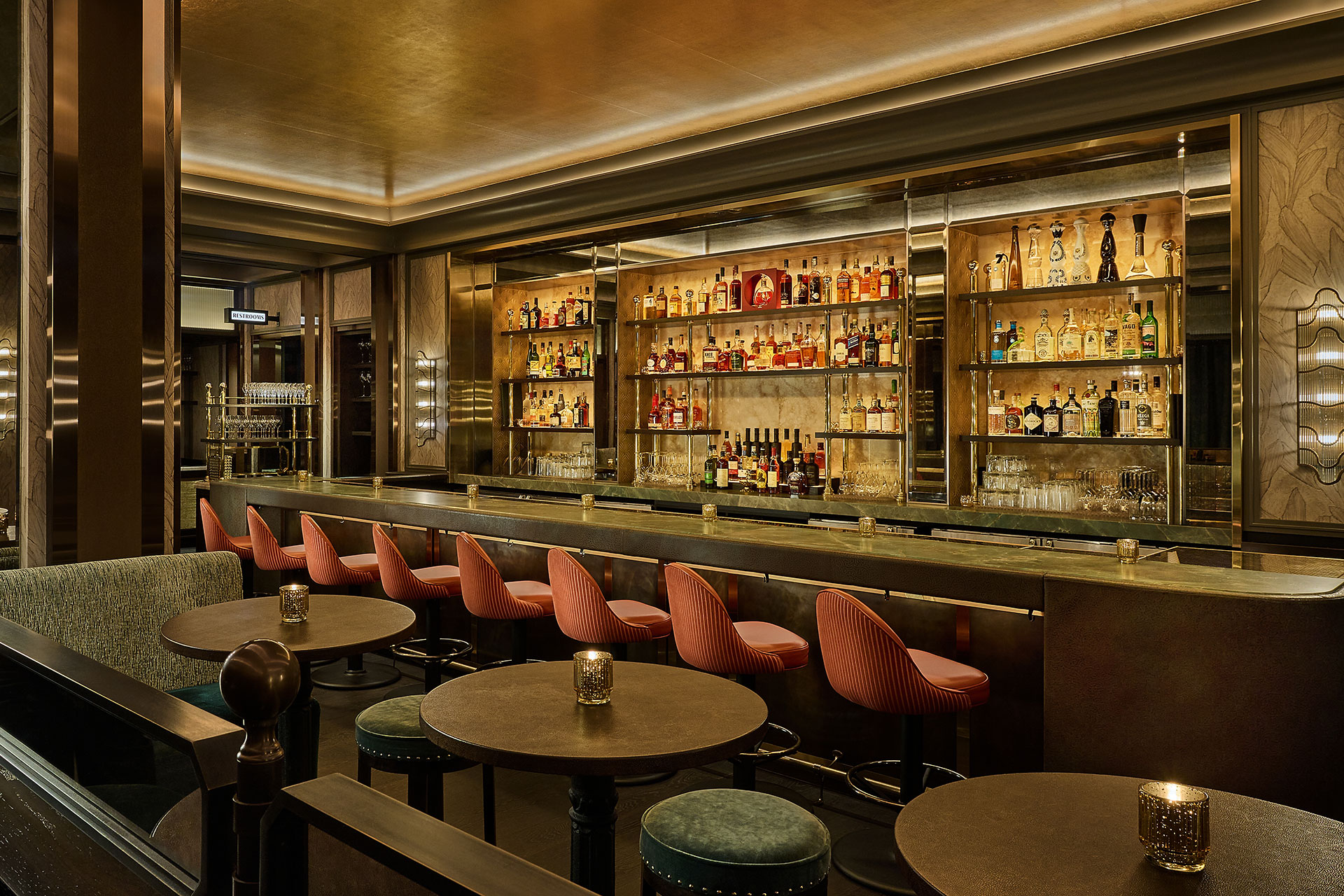
The Alston is one of Chicago’s newest luxury steakhouse restaurants and member’s club, nestled in the heart of the Gold Coast neighborhood. Created by the Fifty/50 Group in partnership with Michelin-starred chef Jenner Tomaska, the project brings together traditional Midwestern comfort and the refined elegance of 1920s French Nouvelle cuisine. The interior design blends grandeur with theatricality, creating an immersive setting where every element contributes to an unforgettable guest experience, inviting curiosity, indulgence, and moments of delight from the first moment of arrival.
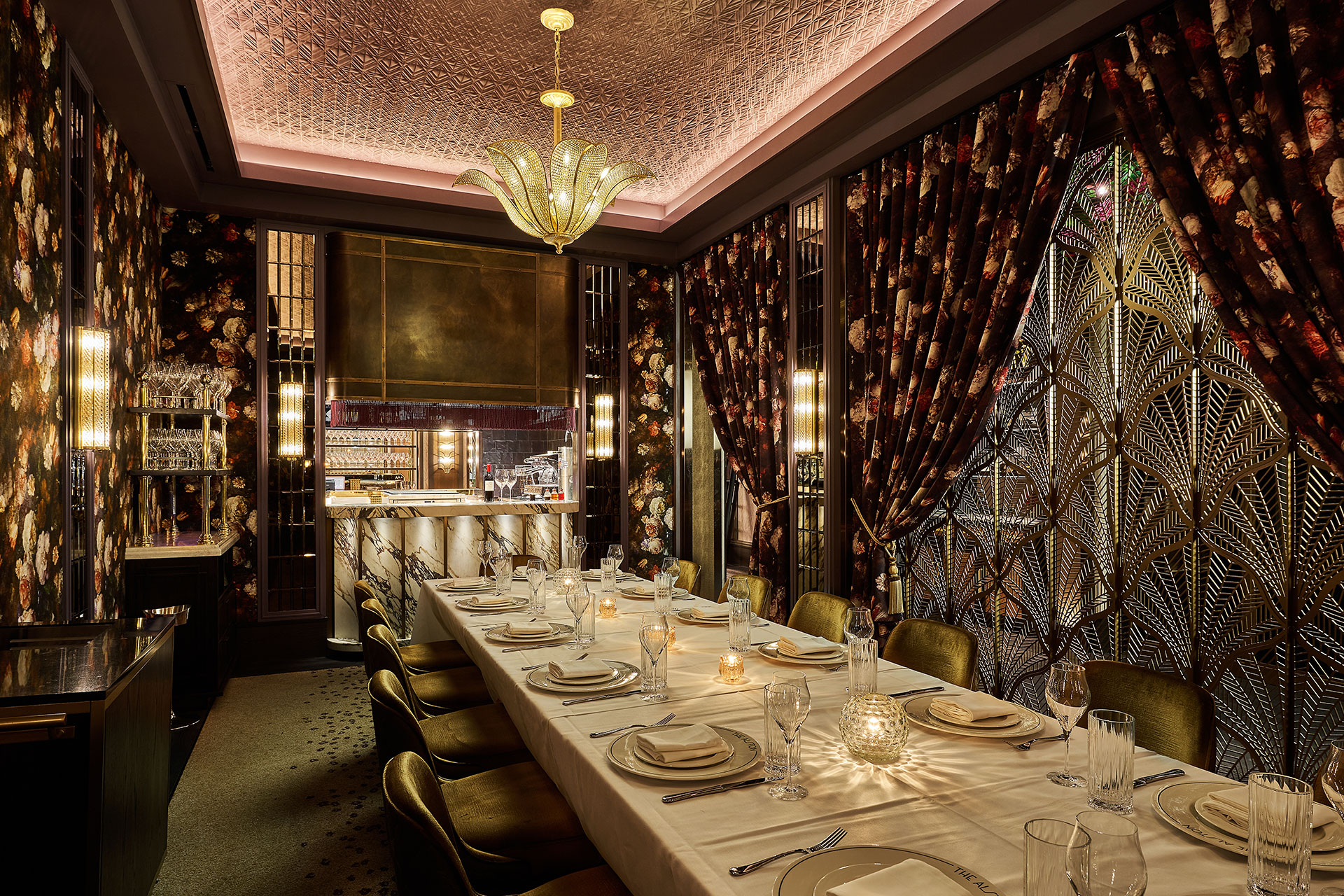
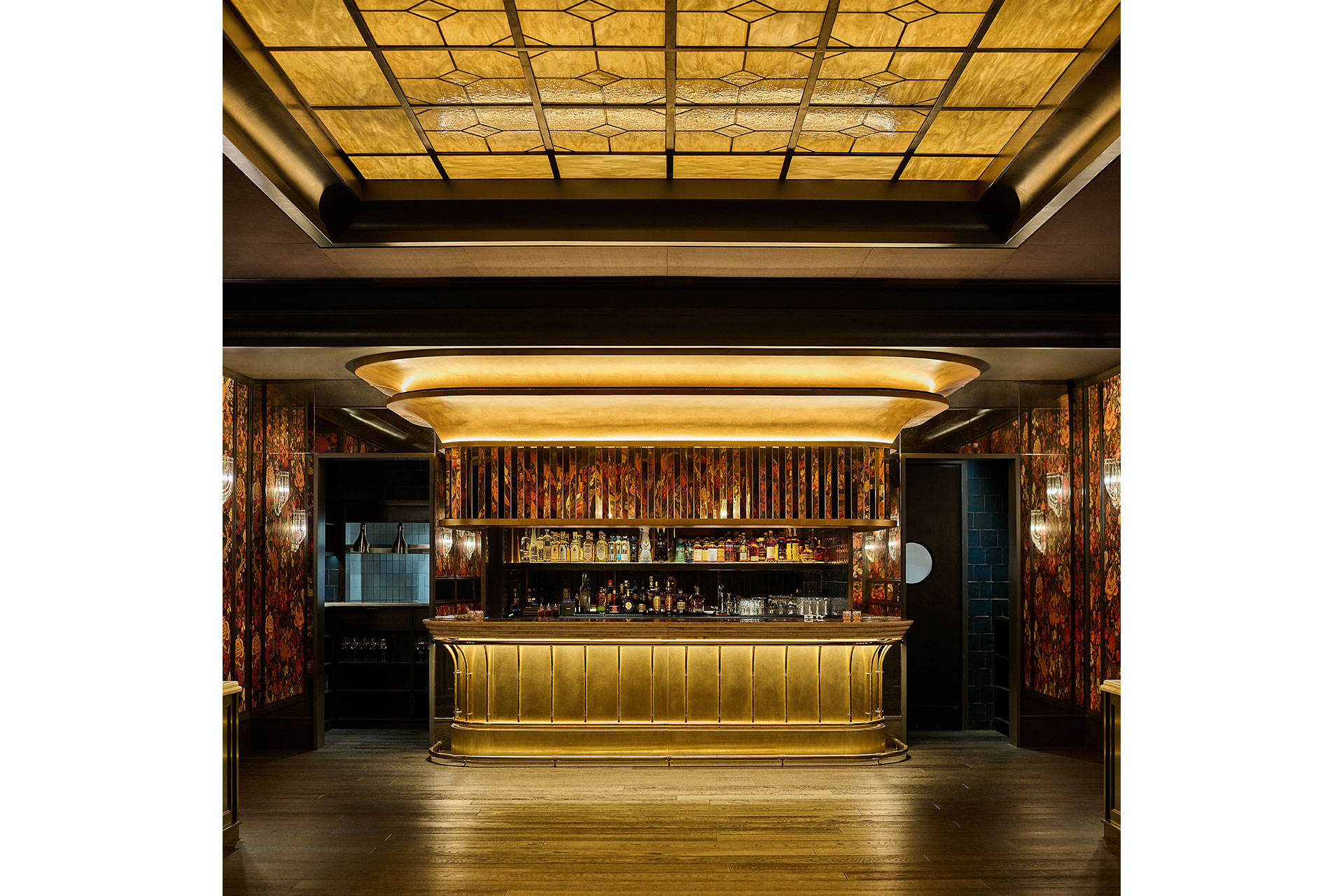
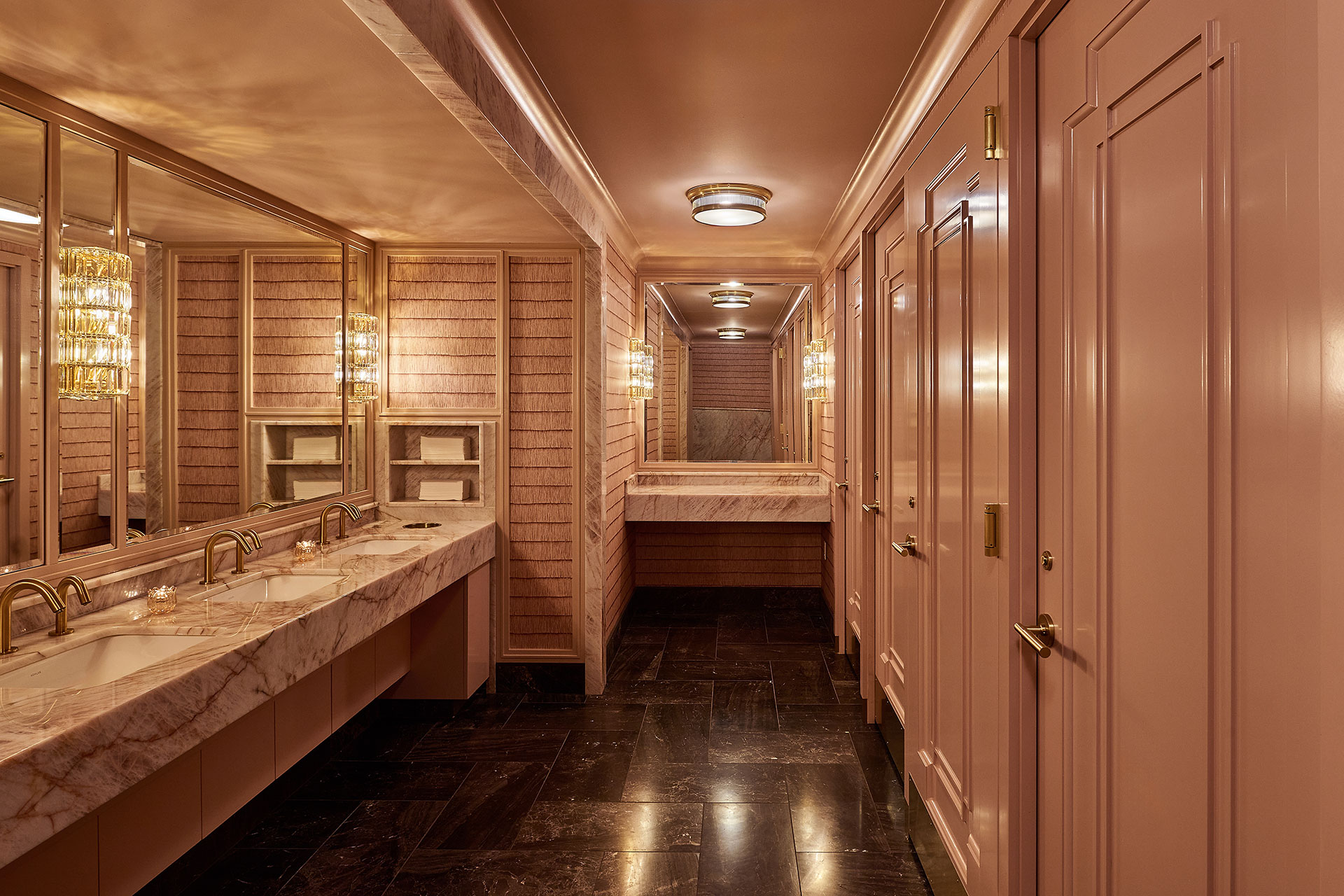
The lighting design for this restaurant was conceived as a narrative-led journey, evolving naturally throughout the day while supporting the operational demands of a world-class dining destination. From arrival to dining, and into the more intimate private spaces, light shapes mood, reveals materiality, and unfolds the space in layers, rewarding movement and discovery as patrons transition from one room to the next. The light scheme balances opulent, richly layered interiors with moments of softness and restraint, allowing each space to feel intentional and atmospheric.
The name Alston, meaning “noble stone”, served as a conceptual anchor for the lighting approach. It represents permanence, quiet strength, and refined taste, qualities reflected in a design that is deliberate, layered, and enduring rather than overtly flashy. Lighting was carefully integrated into the architecture to enhance textures, depth, and craftsmanship, reinforcing the sense of substance throughout the restaurant.
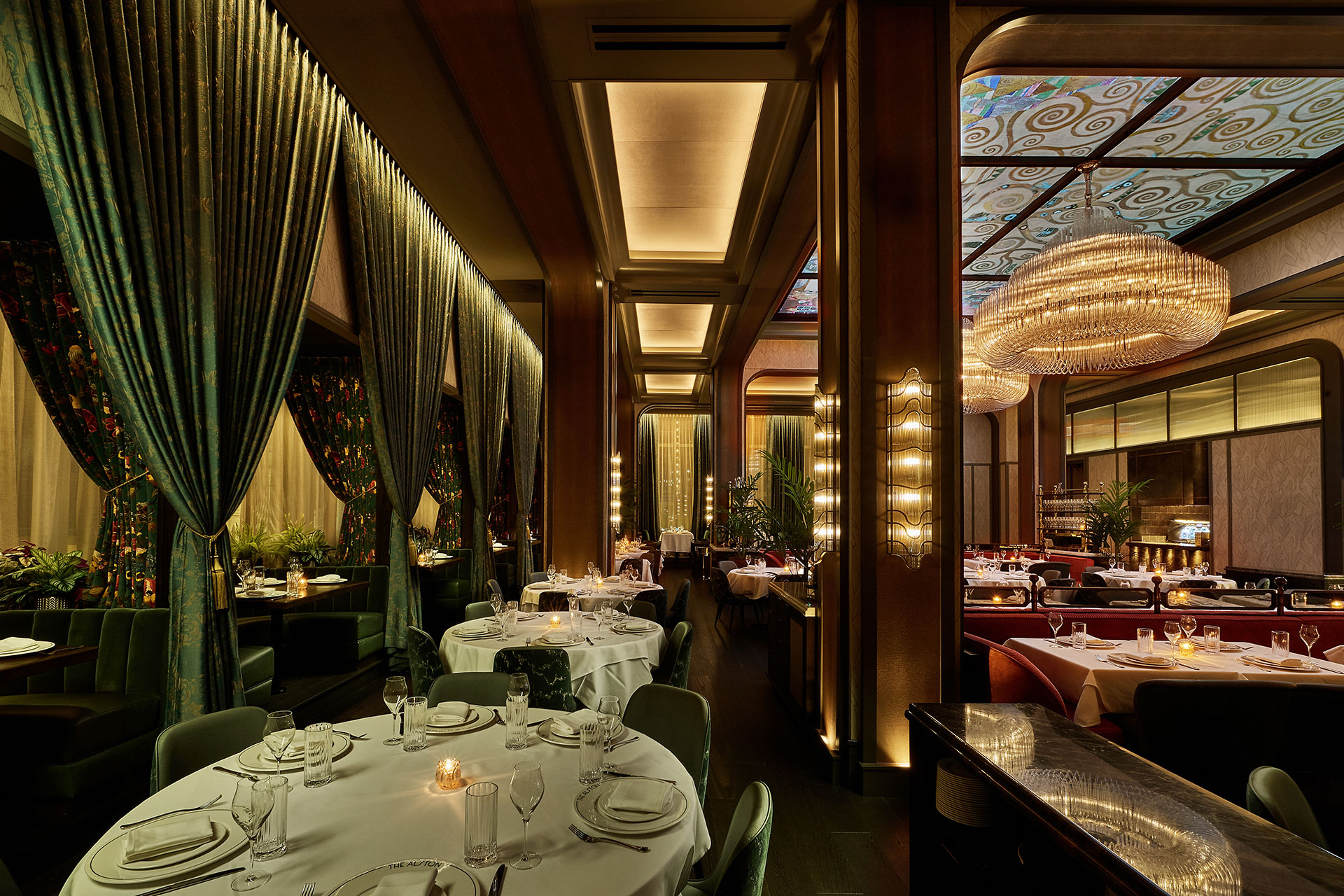
A layered architectural lighting strategy underpins the project, combining functional clarity with moments of intimacy, surprise, and contrast. The restaurant operates from day into late evening, and the lighting responds to this shifting rhythm. A warm 2400K color temperature was selected to create a welcoming and intimate atmosphere, with deep dimming levels introduced as the evening progresses. As the light softens, the environment becomes increasingly relaxed, encouraging patrons to linger and settle into a more intimate dining experience.
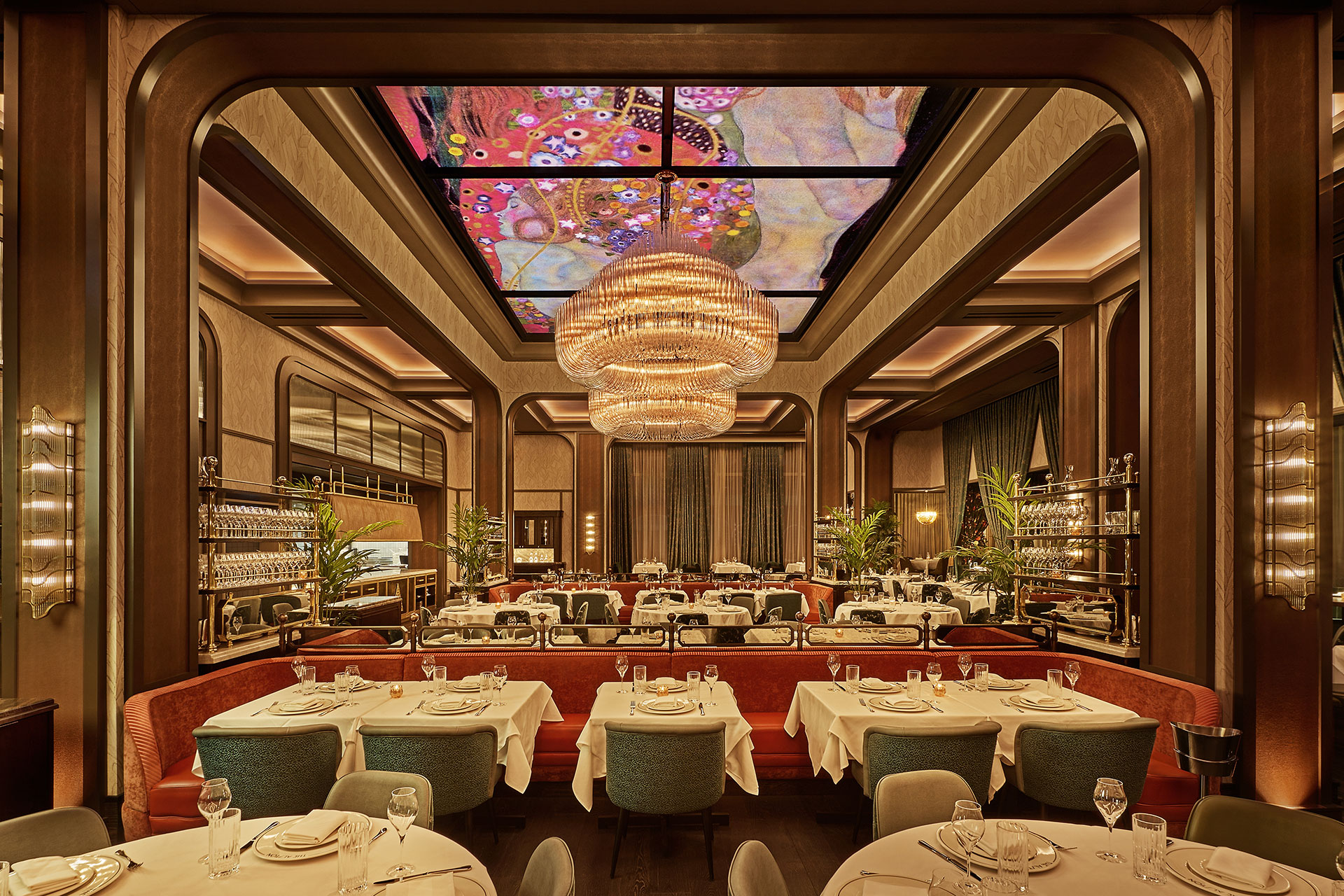
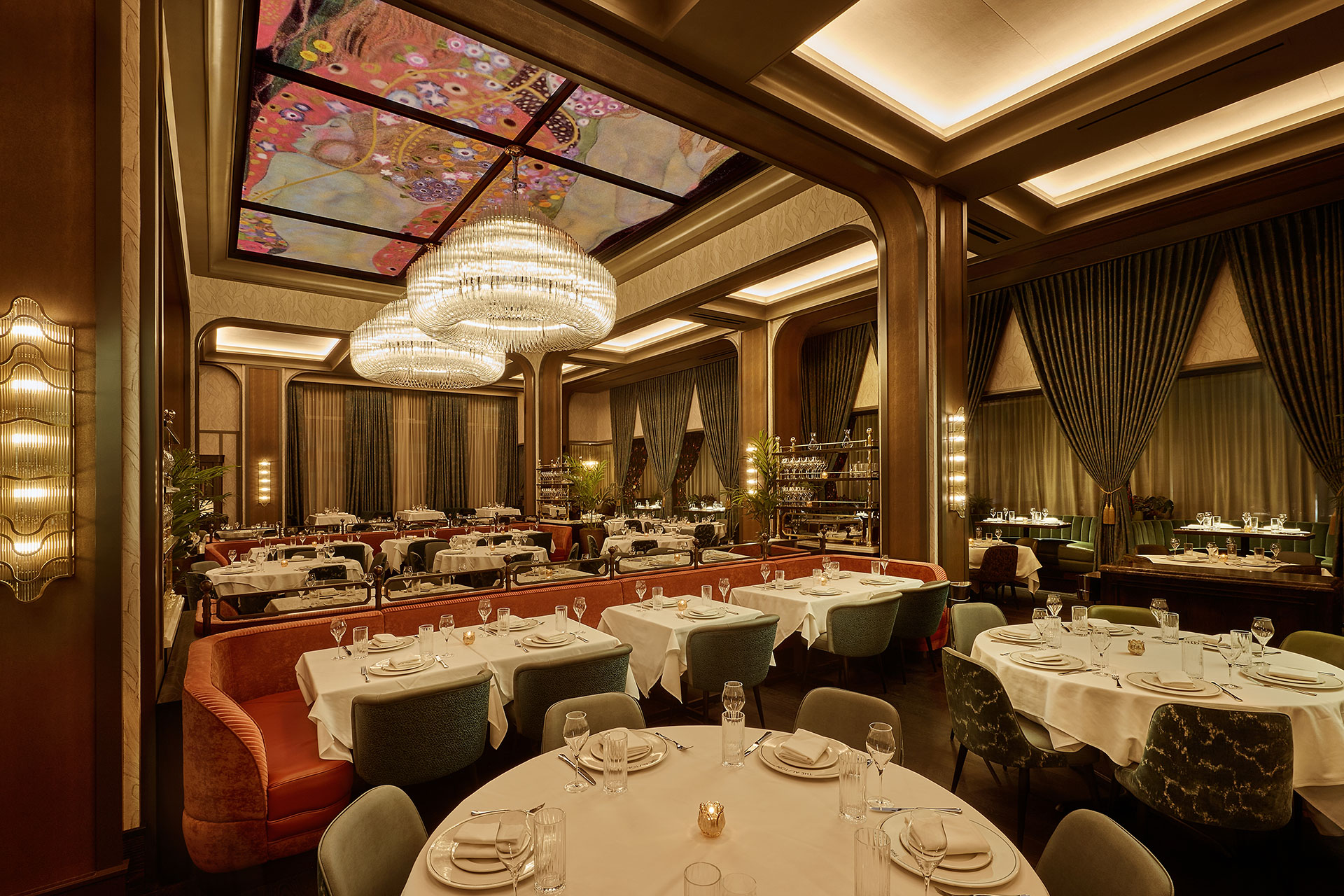
Decorative lighting plays a central role in reinforcing the theatrical narrative and adding character throughout the space. Multiple fixtures were custom designed for the project. In the Great Room, two sculptural chandeliers composed of over a thousand glass pieces serve as luminous focal points, floating within the space and drawing the eye upward. These are complemented by indirect architectural lighting and a dynamic digital ceiling installation that displays evolving imagery, from galaxies and stars to drifting clouds, to create a dining experience that evokes joy and wonder, inviting patrons to pause, look up, and momentarily lose themselves in the atmosphere.
Throughout the space, light acts as both a functional tool and a storyteller, elevating the spatial experience and evoking the restaurant’s bold vision of pleasure, surprise, and indulgence. The result is an environment where atmosphere, architecture, and cuisine are seamlessly connected through light, and where patrons don’t just dine, but delight in the whole experience.