

Eatzen is an independent street-level restaurant in Malahide, Dublin, conceived as a warm, intimate dining destination rather than a generic hospitality interior. The lighting strategy supports this ambition: shaping atmosphere, enhancing materiality, and providing the operator with long-term flexibility, while remaining visually discreet and technically robust.
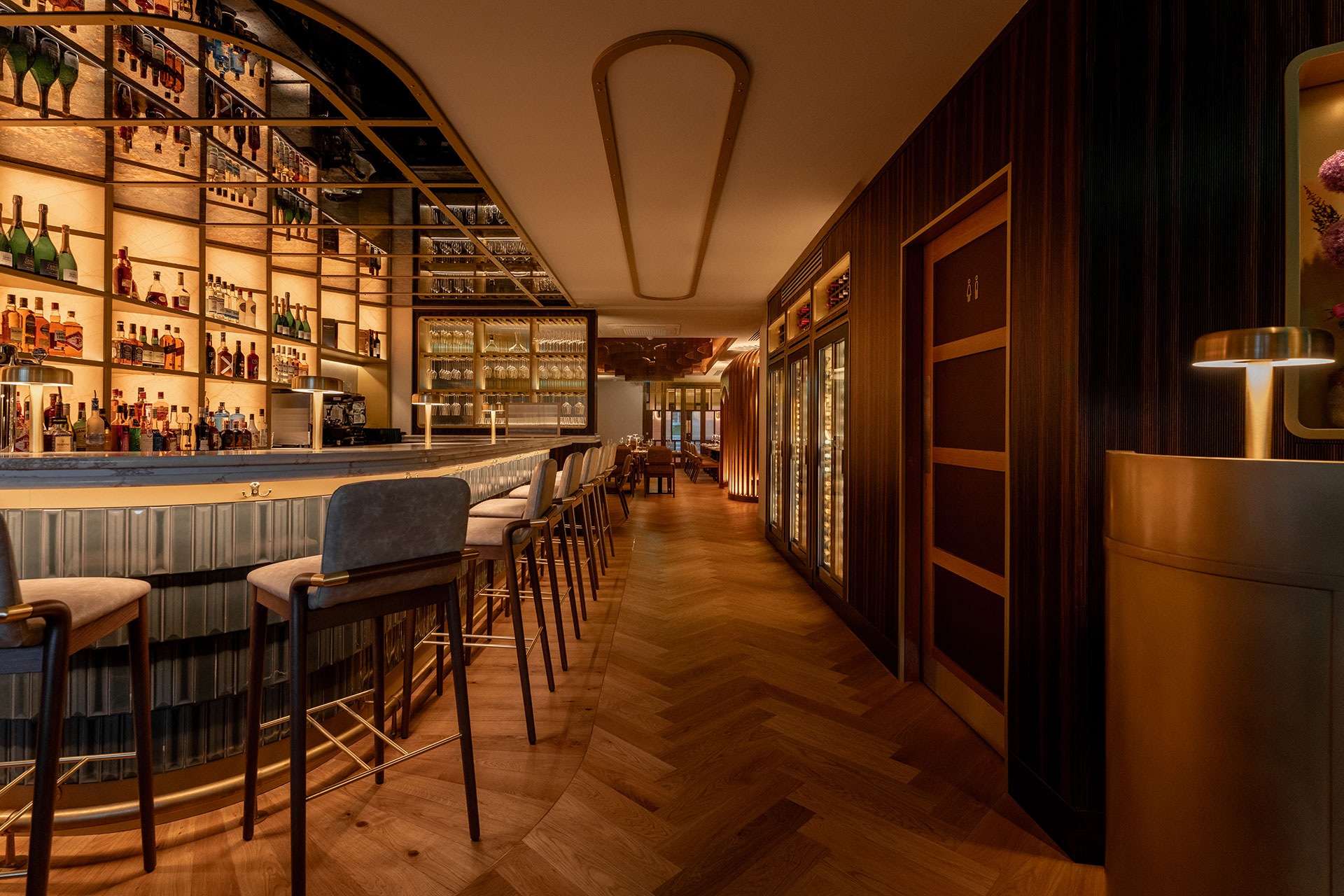
From the outset, the design prioritised a warm, low-glare environment, with a colour temperature range of 2200K–3000K adopted throughout interior and exterior spaces. This palette supports comfort and intimacy while allowing subtle tonal variation across zones and times of day. Rather than relying on uniform ambient illumination, the scheme is structured around layered hierarchies of light — foreground, mid-ground and background — creating depth, contrast and visual rhythm across the dining experience.
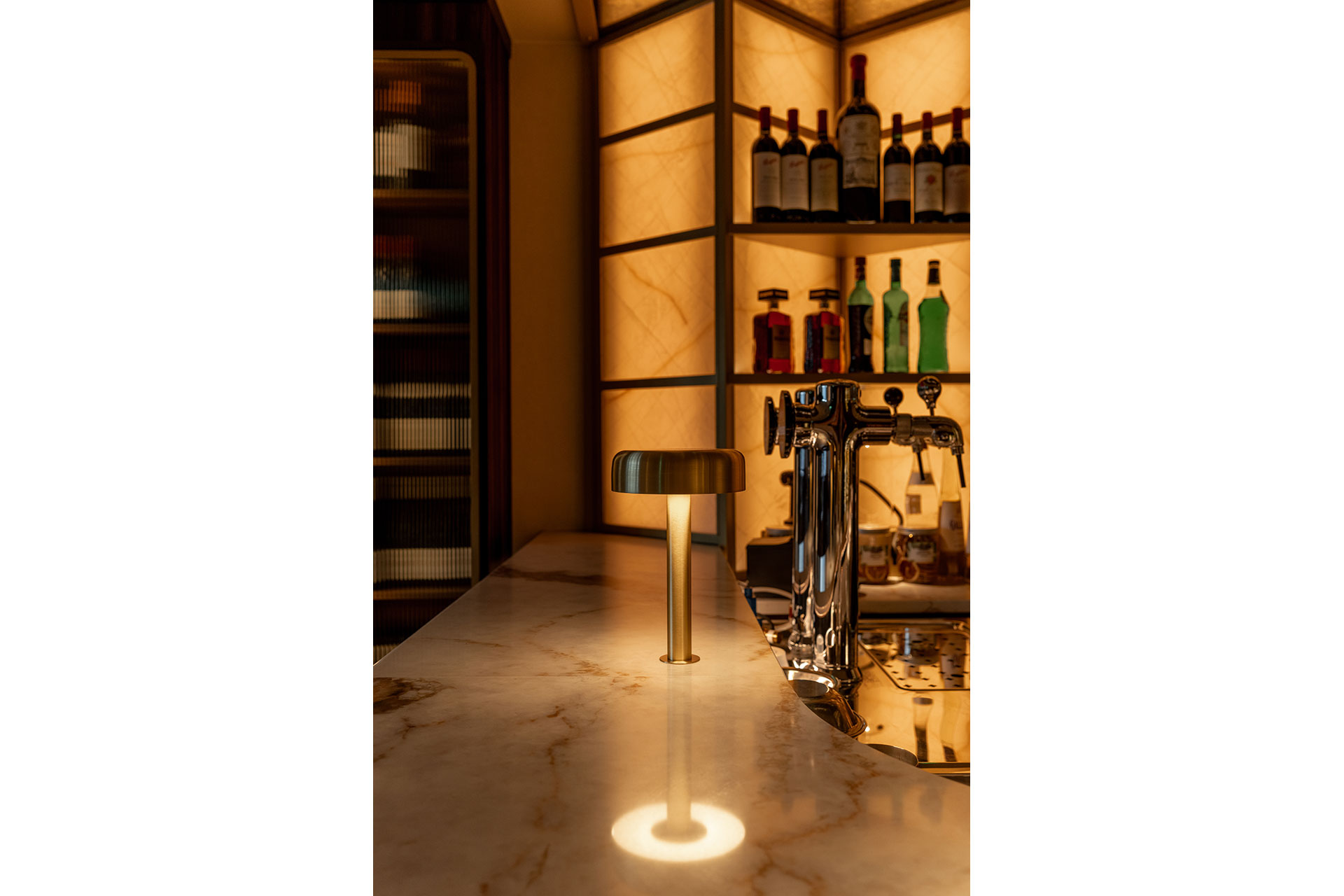
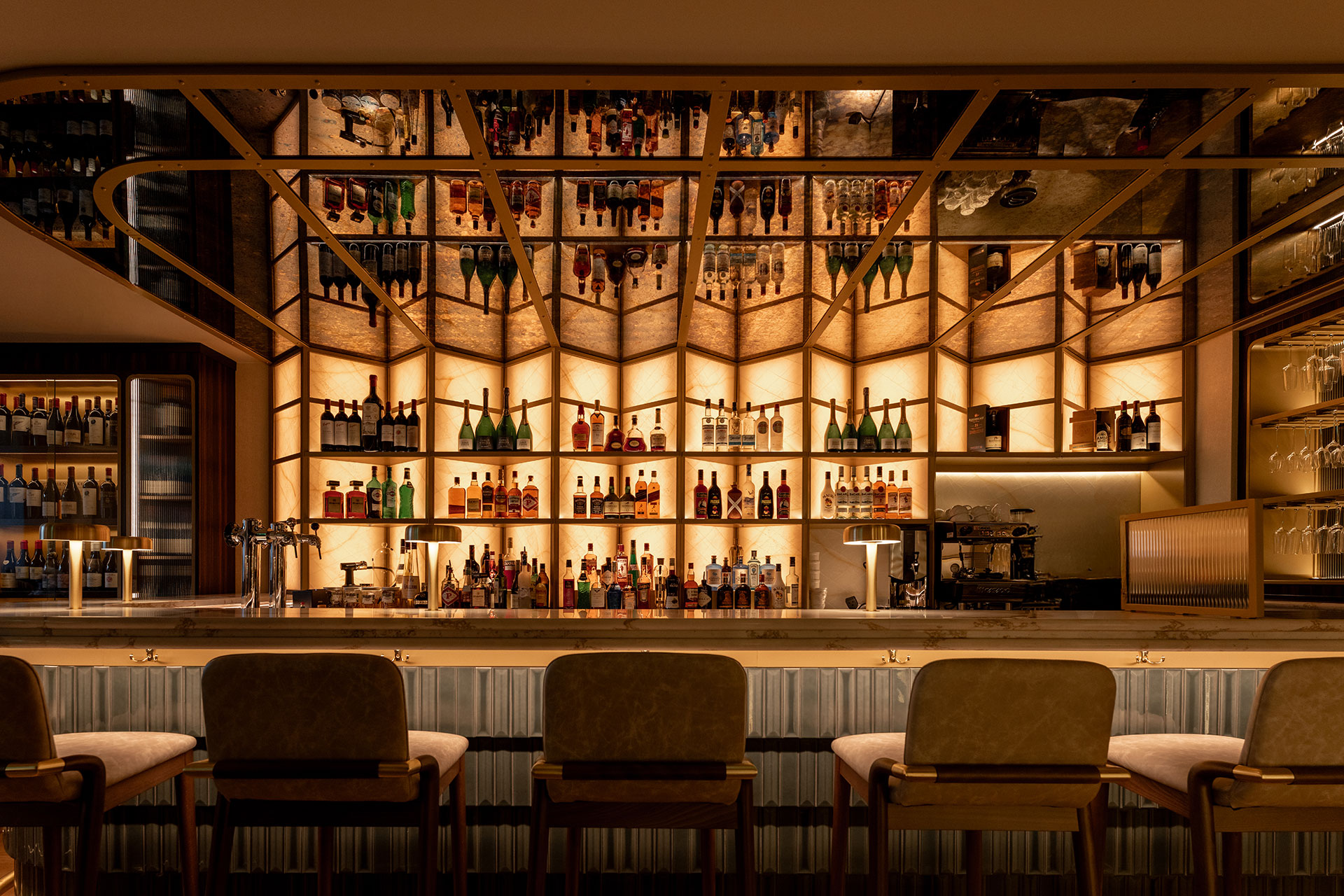
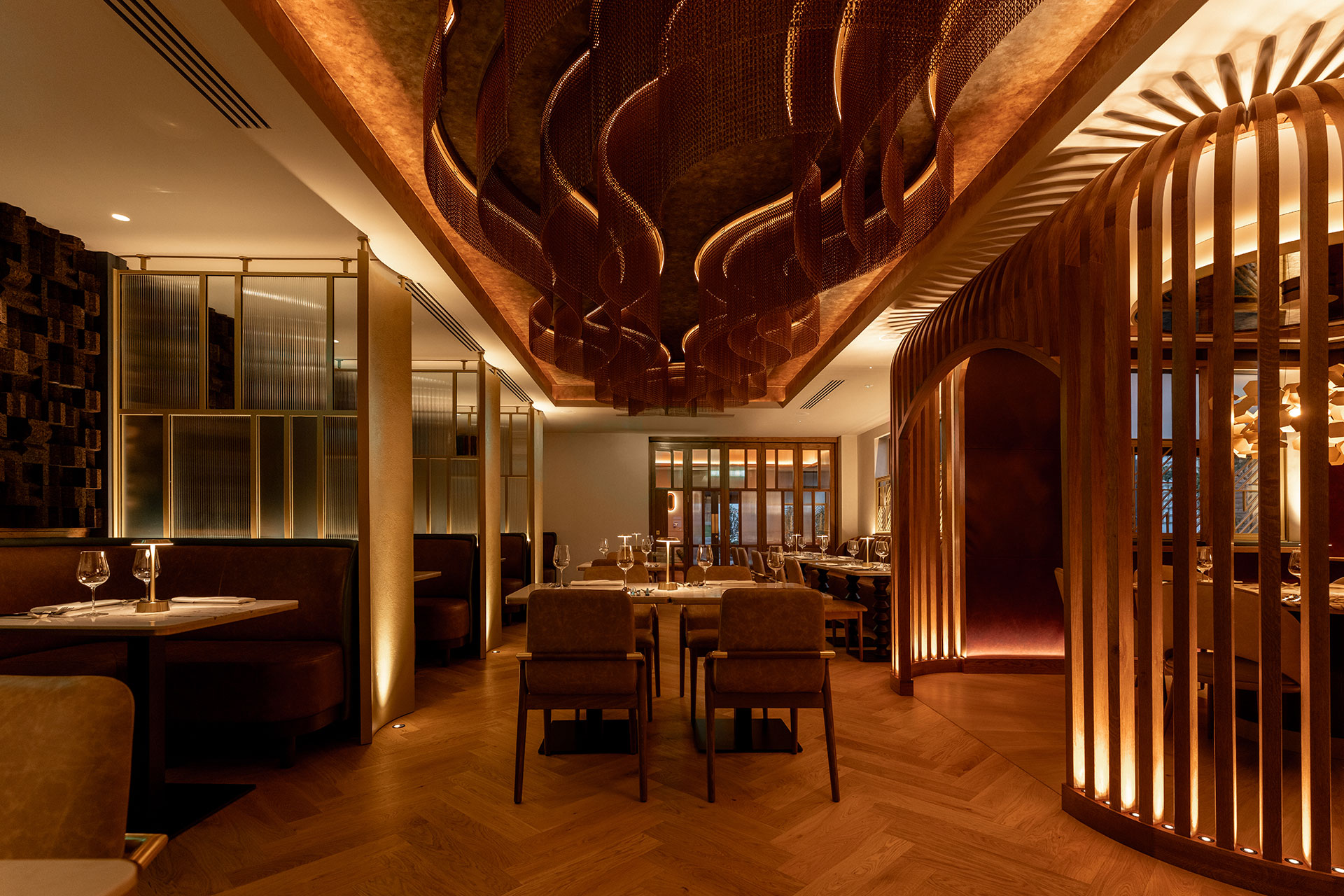
Light is used primarily as an architectural tool. Concealed linear sources are integrated into joinery, banquettes, shelving and ceiling coves to reinforce the interior language developed by Millimetre Design, washing surfaces and celebrating bespoke details. Feature elements such as the backlit bar display, illuminated niches and softly glowing perimeter details are intended to be perceived as part of the architecture rather than as visible luminaires. This avoids the visual clutter common in hospitality projects and allows the space to feel calm, crafted and cohesive.
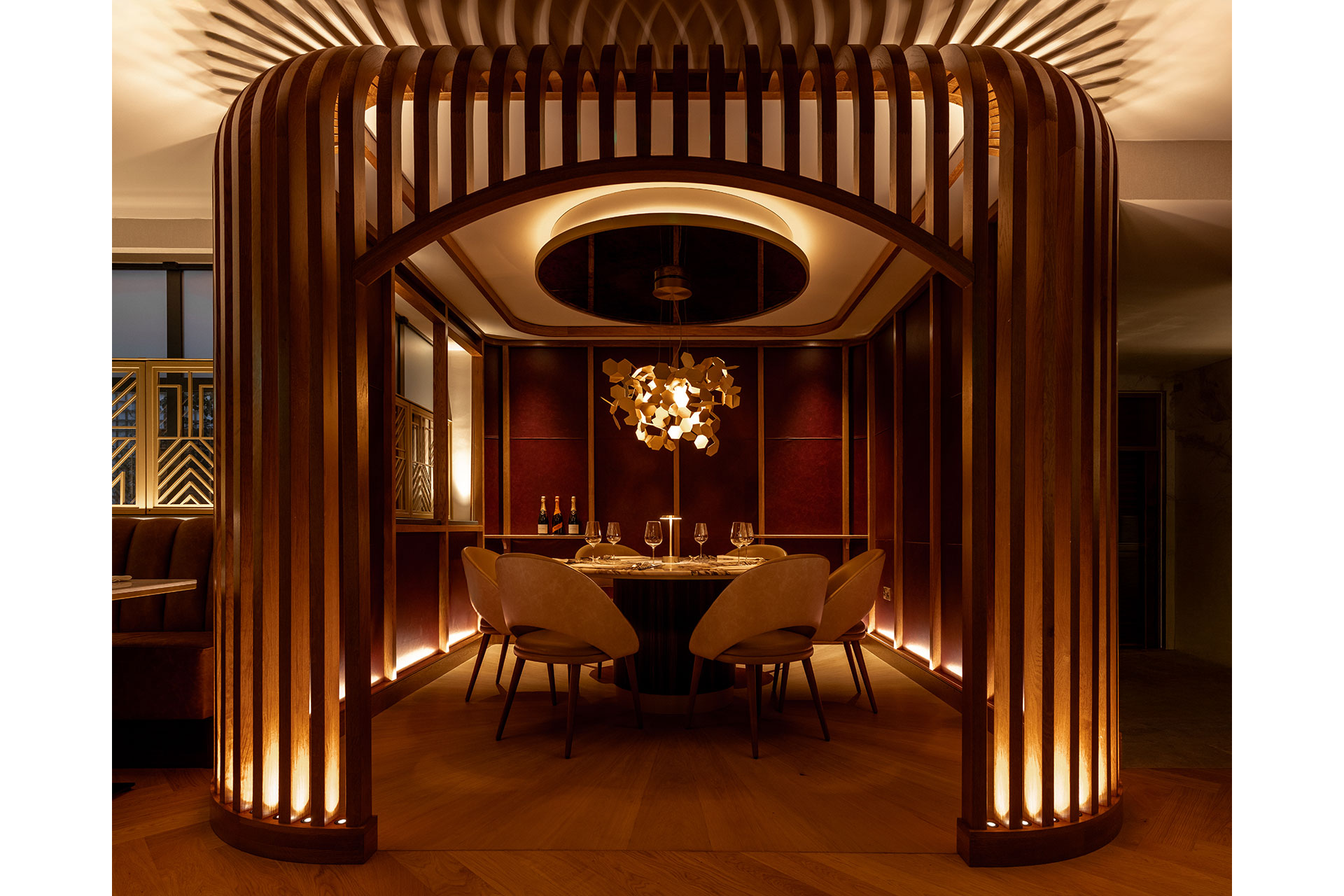
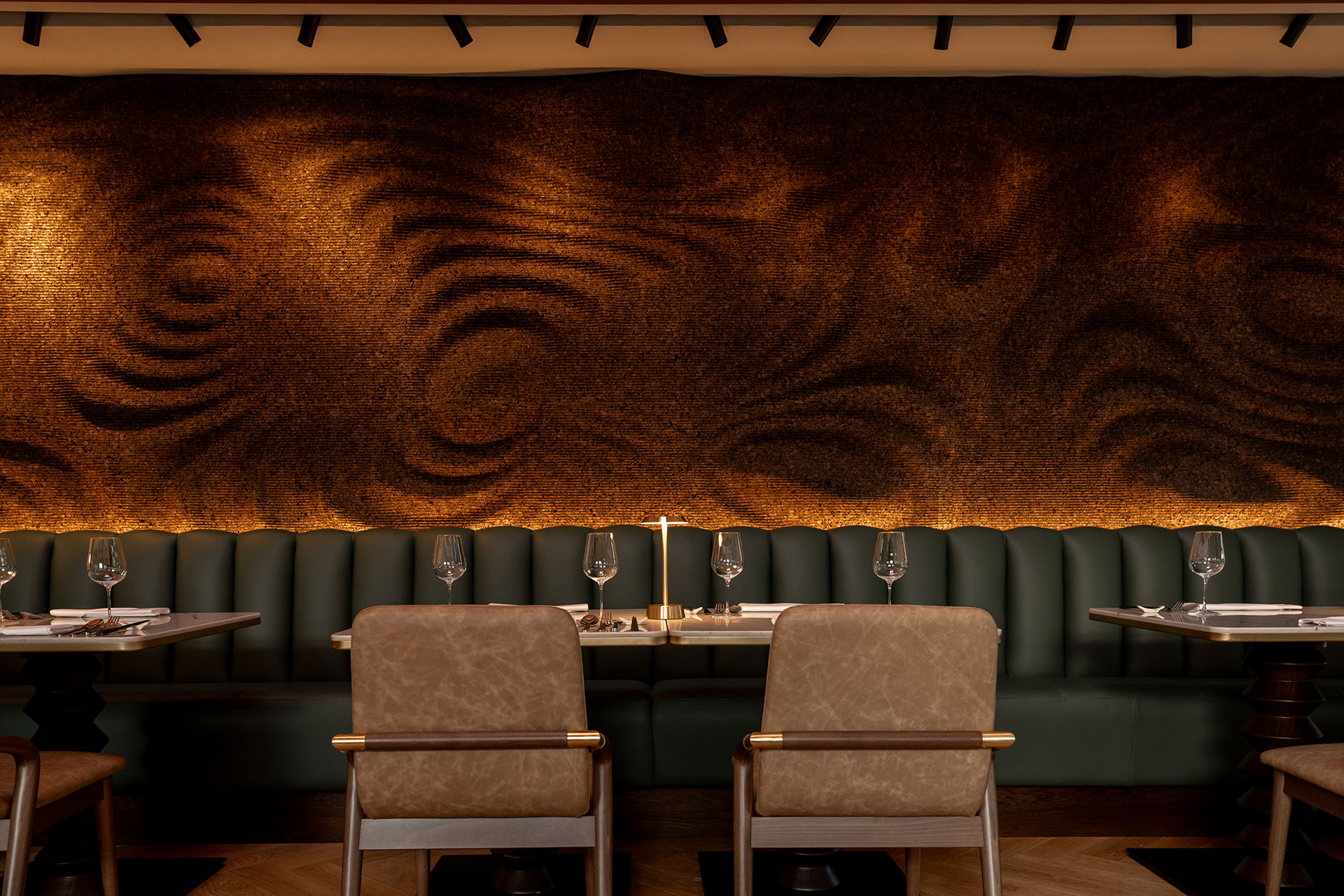
A key focus of the design is the lighting of vertical surfaces. Textured feature walls are carefully grazed with controlled, low-glare light to reveal depth, shadow and material richness, transforming them into atmospheric backdrops. Banquette walls are softly washed to frame diners and create visual enclosure, while architectural elements such as columns are subtly uplighted to give rhythm and spatial hierarchy to the room. Emphasising vertical illumination ensures brightness is concentrated where it supports perception and comfort, rather than distributed evenly across horizontal planes.
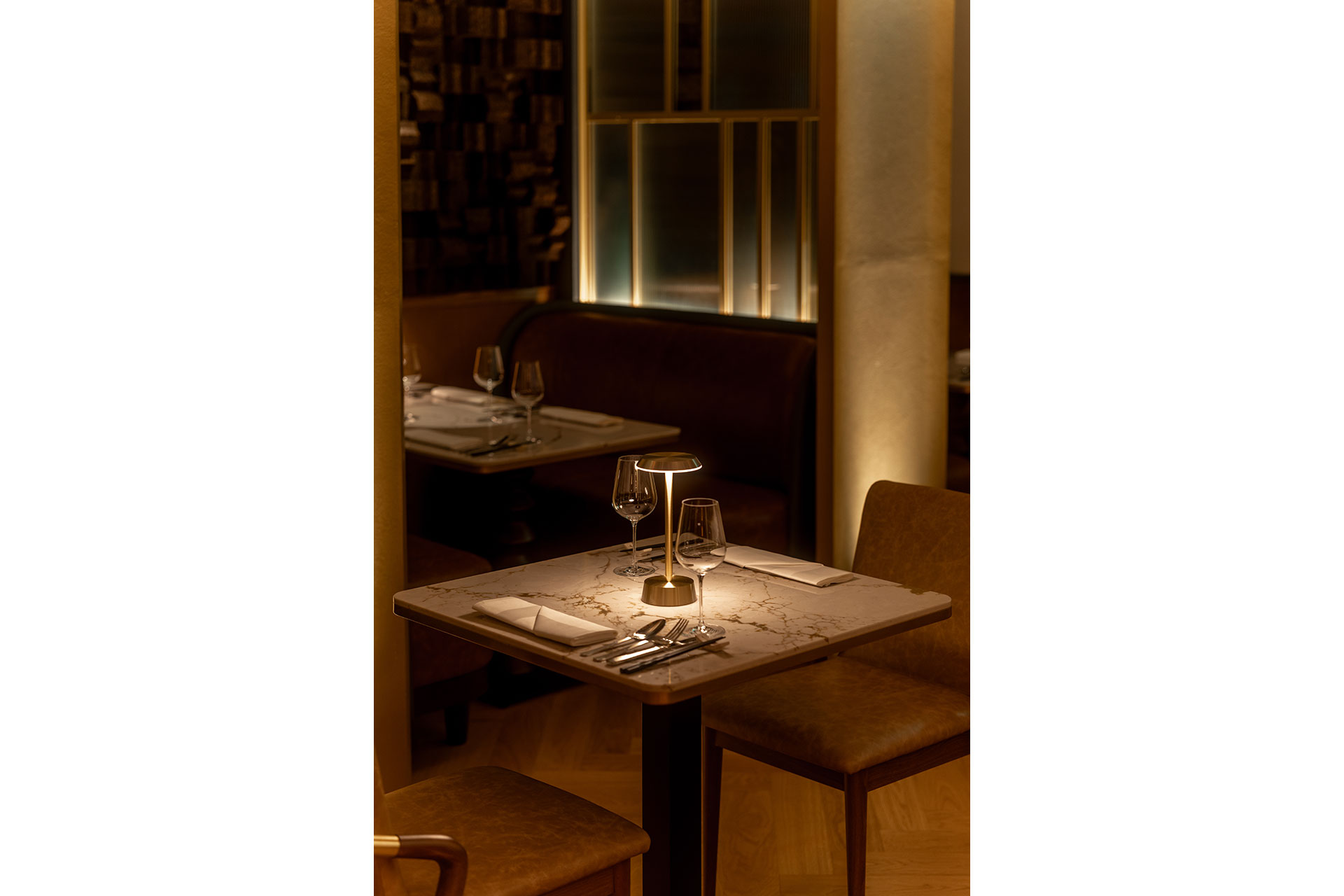
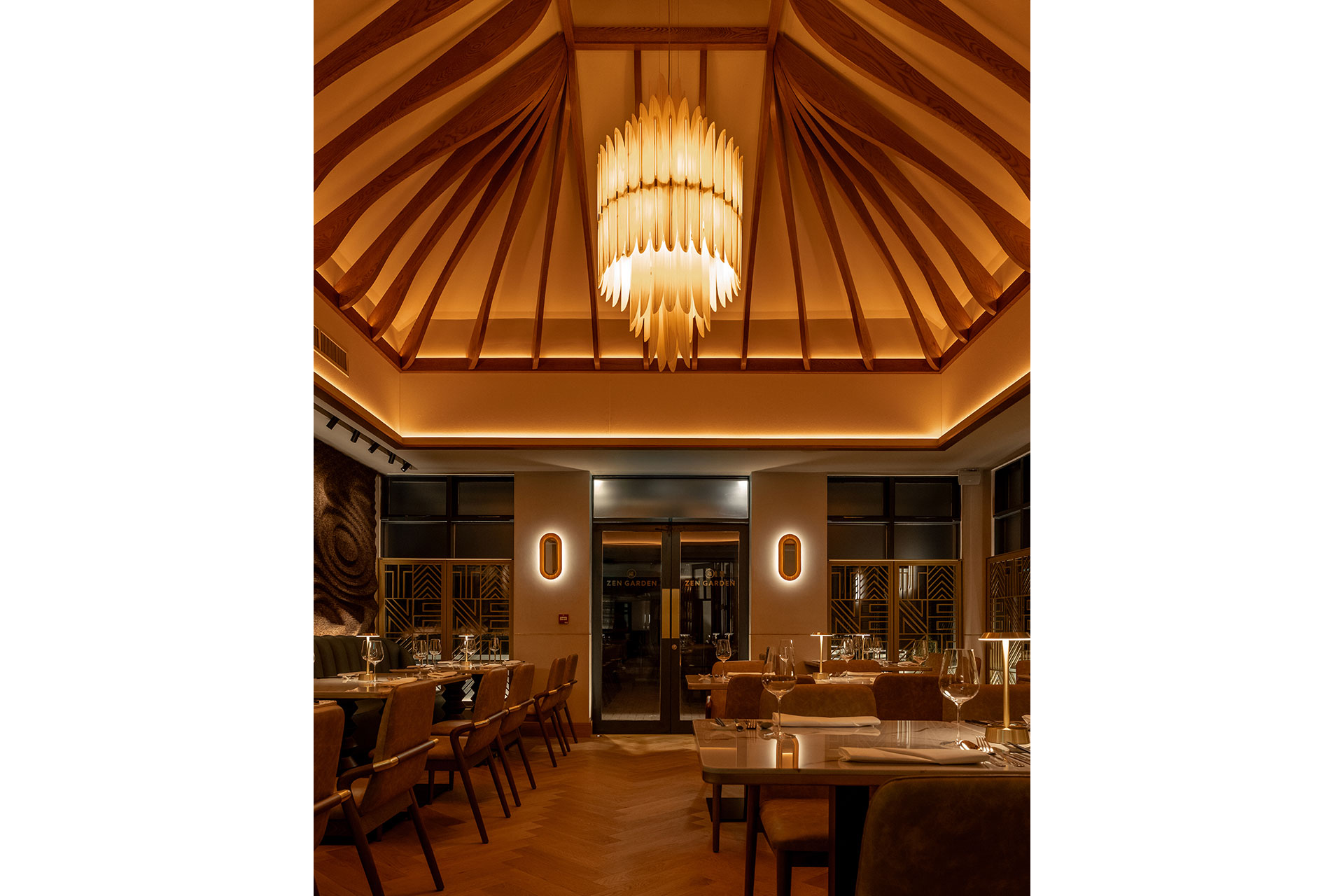
Decorative luminaires are introduced selectively — table lamps, pendants and wall pieces provide human scale and intimacy, particularly within private dining and rear dining areas. Their role is not to dominate the aesthetic but to add warmth within a composed lighting language. Careful control of glare, spill and brightness ratios ensures visual comfort, while allowing food, faces and materials to remain the visual focus.
The project involved the refurbishment of an existing interior, with inherent constraints on space, installation routes and budget. These limitations informed both the technical strategy and control approach. The client recognised the importance of effective lighting control in achieving scene setting across different dining zones and times of day. A Casambi Bluetooth control system was therefore selected, providing a wireless, flexible solution that minimised infrastructure intervention while allowing intuitive scene control, zoning and future adaptability. This approach supported both the operational needs of the restaurant and the long-term resilience of the lighting design.
Sustainability informed technical decisions throughout the design. The scheme prioritises efficient LED sources, reduced fixture counts through integration, and sourcing via local agents where possible. Budget constraints were treated as a design parameter, shaping a solution that balances visual quality, longevity and operational value.