

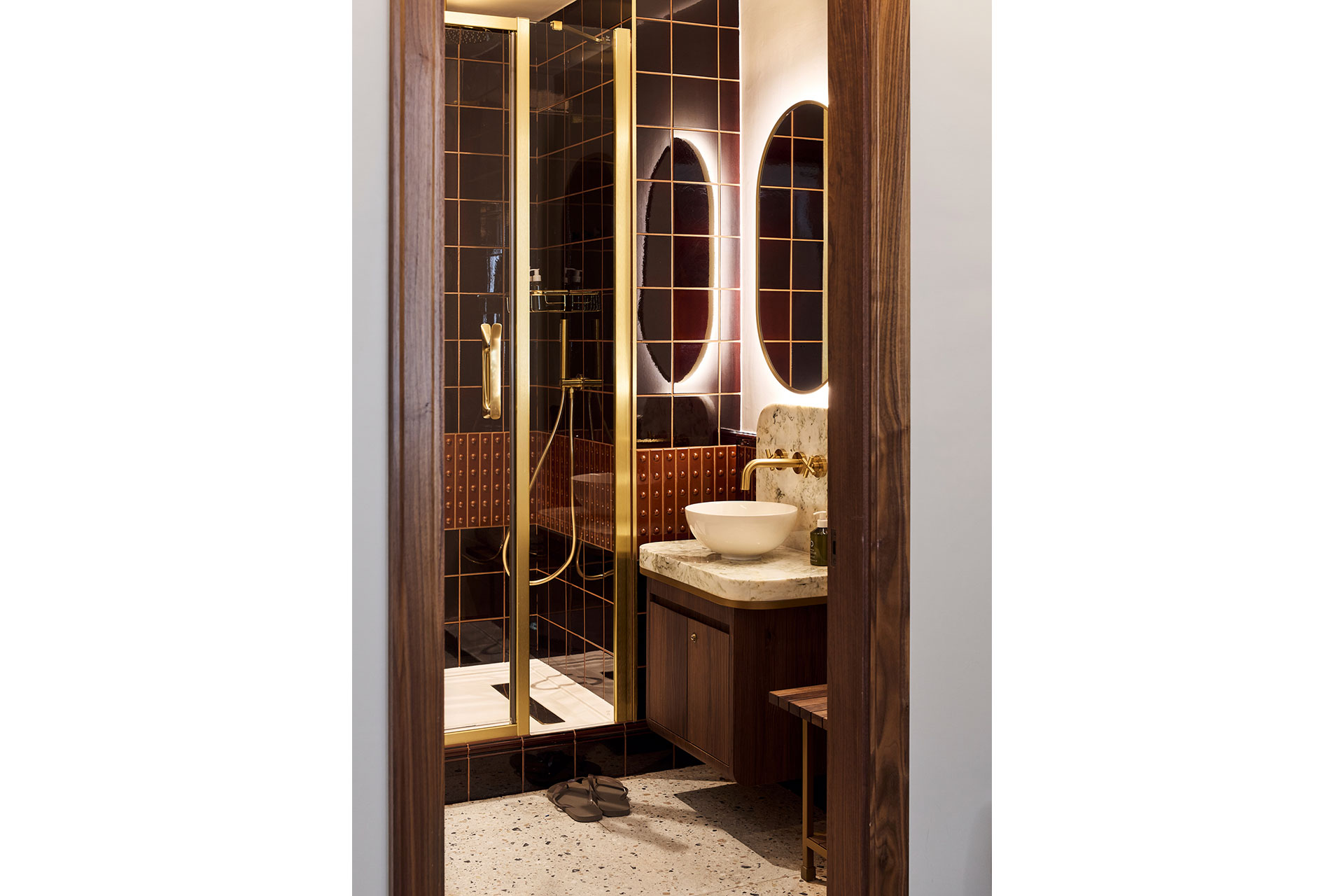
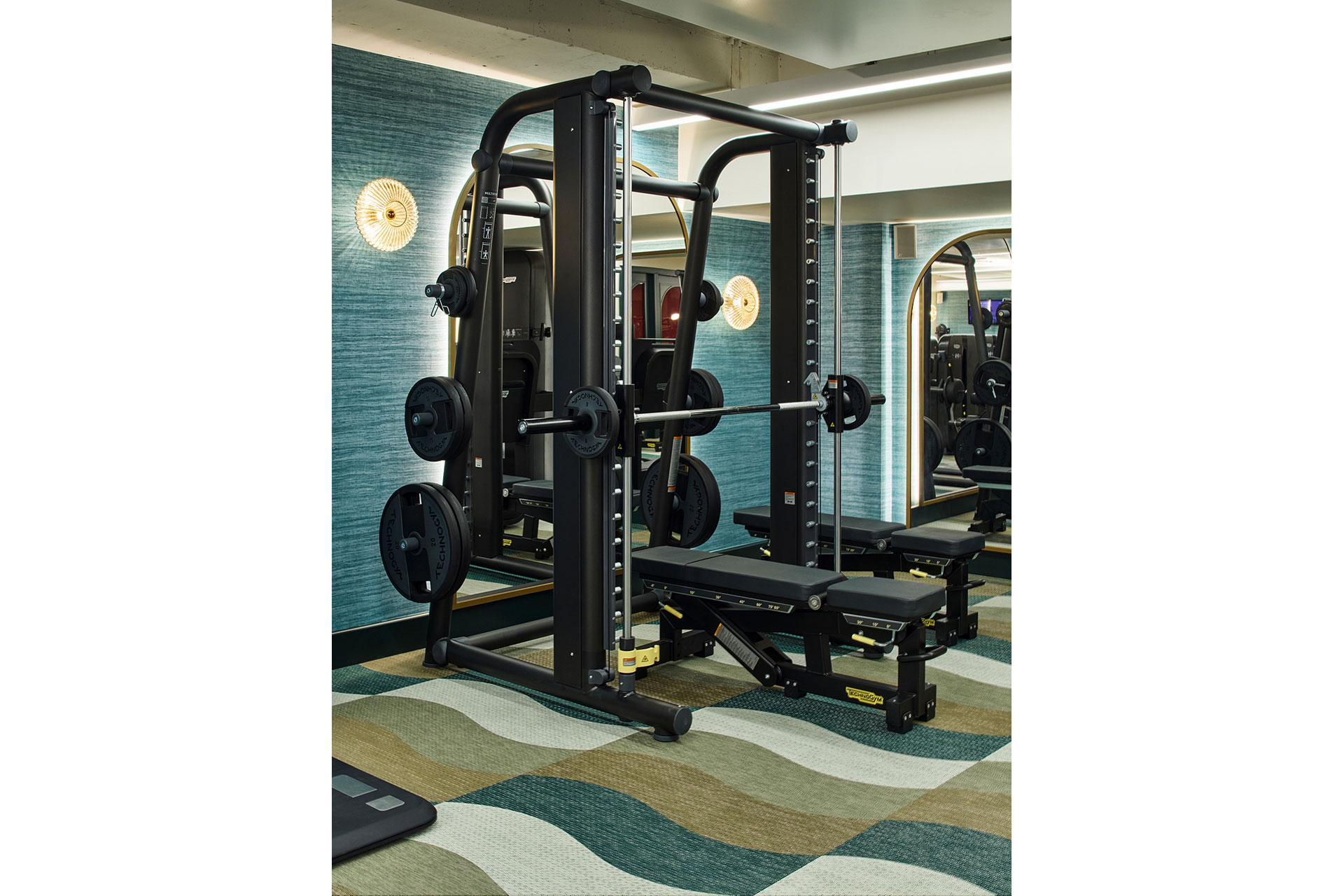
The lighting design for The Sloane Club supports the refurbishment of one of London’s most established private members’ clubs, reinforcing its heritage while introducing a contemporary sense of comfort and usability. The approach focuses on clarity, restraint and adaptability, ensuring that each space is lit appropriately for its function while contributing to a consistent identity across the building.
Founded in 1922 by Princess Helena, The Sloane Club has a long history within Chelsea, evolving from the Service Women’s Club into a mixed-membership private club. The recent refurbishment provided an opportunity to update the interiors while respecting the building’s character and cultural significance. Lighting plays a central role in this balance, helping to connect historic references with modern expectations of hospitality, wellness and social spaces.
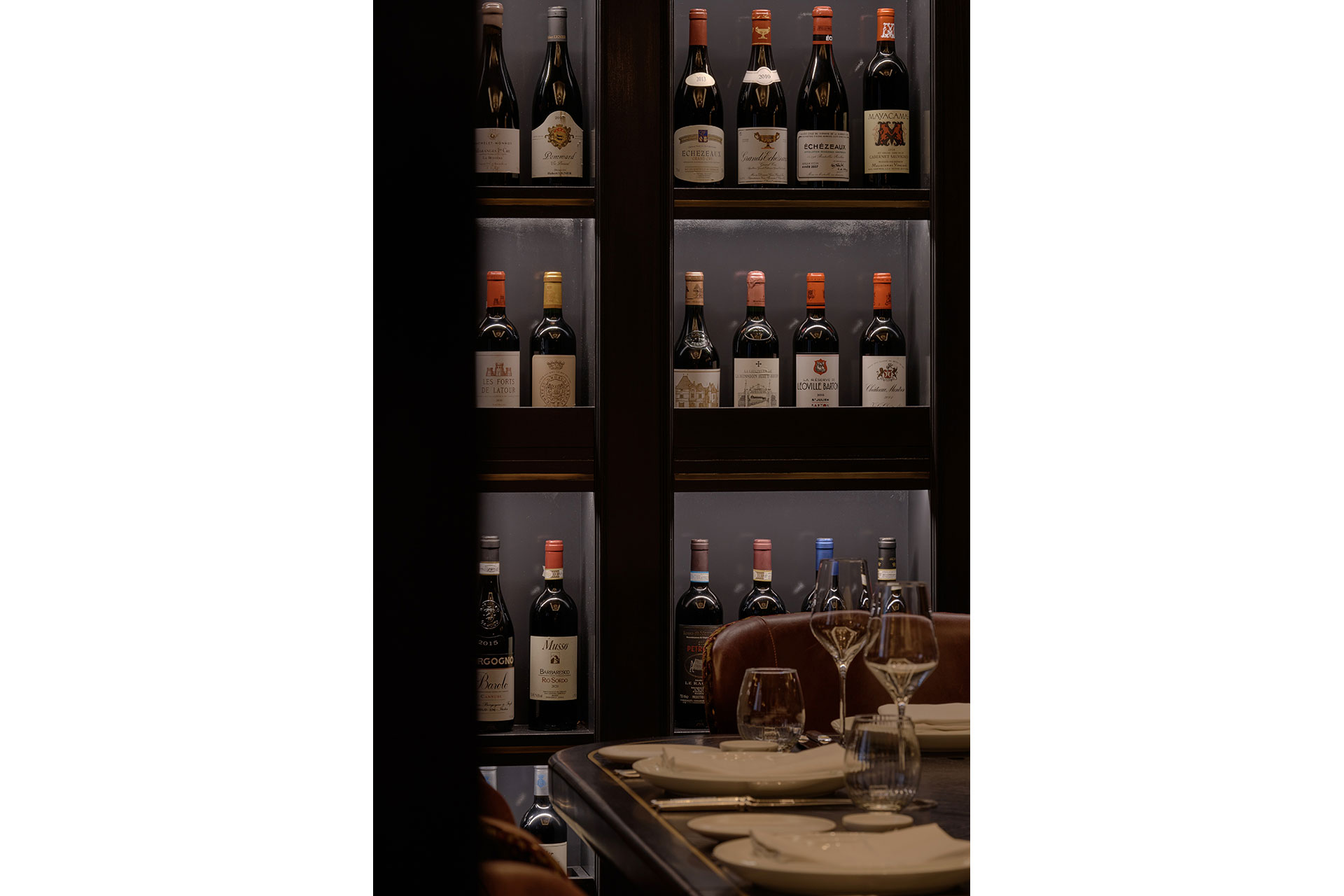
The lighting strategy is deliberately layered and flexible, responding to the wide range of programmes within the Club. These include reception and arrival areas, dining spaces, bars, wellness facilities, private dining rooms and terraces. Rather than relying on a single visual language, the scheme adapts to each setting while maintaining continuity through careful control of brightness, colour temperature and distribution.
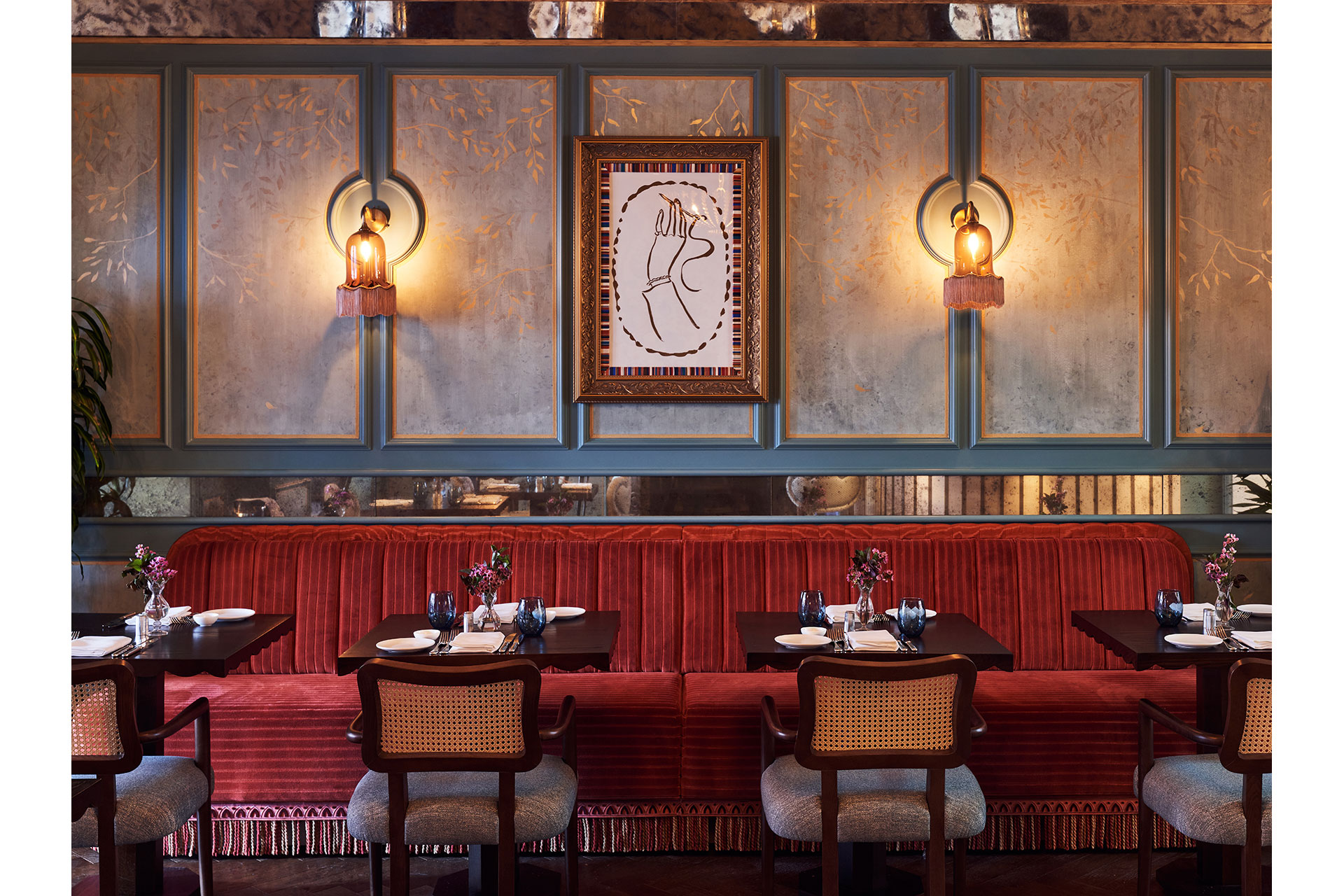
On the terrace, which houses the Club’s restaurant; Lila, lighting needed to respond to a retractable ceiling and changing daylight conditions. Fixtures are positioned and specified to work effectively whether the space is open to the sky or enclosed, allowing the terrace to transition smoothly from day to evening use without requiring a complete shift in lighting character.
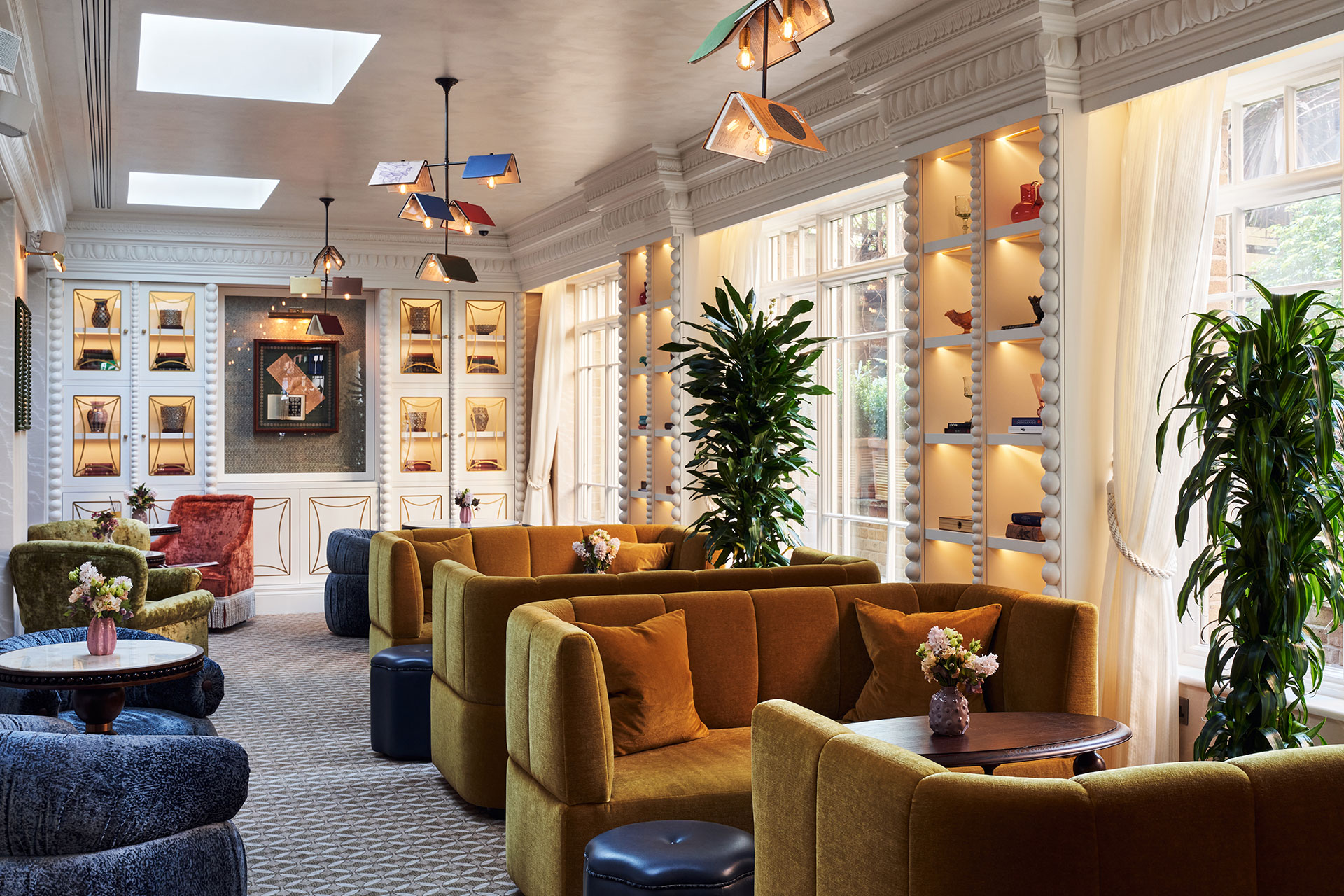
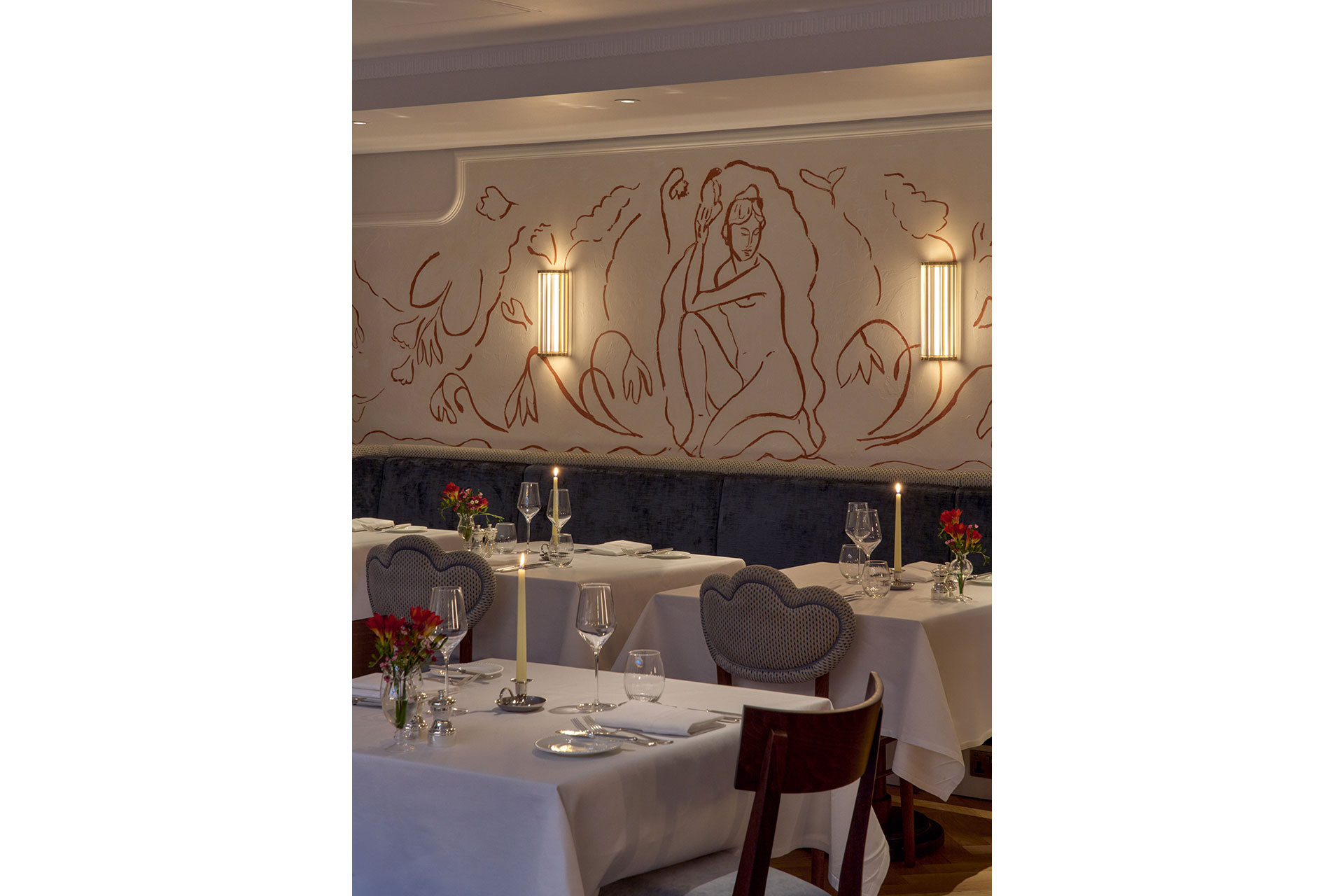
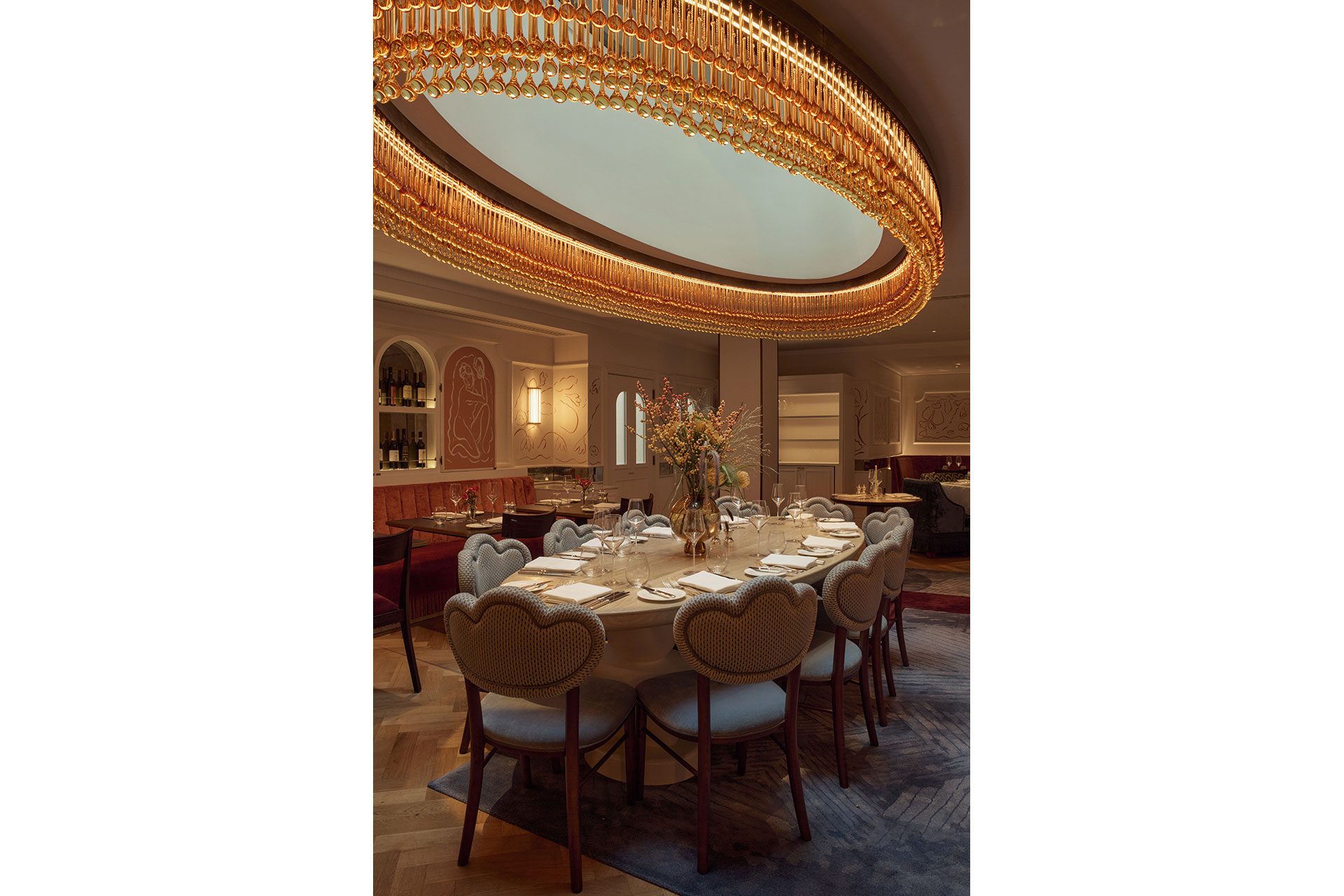
The wellness areas are lit with a more functional emphasis, using cooler tones to support activity and focus, balanced with decorative elements that maintain comfort and approachability. In contrast, front-of-house social spaces adopt a warmer and more expressive lighting palette. Feature luminaires are used selectively as focal points, while architectural lighting is integrated discreetly to highlight materials and spatial form without drawing attention to the technical elements.
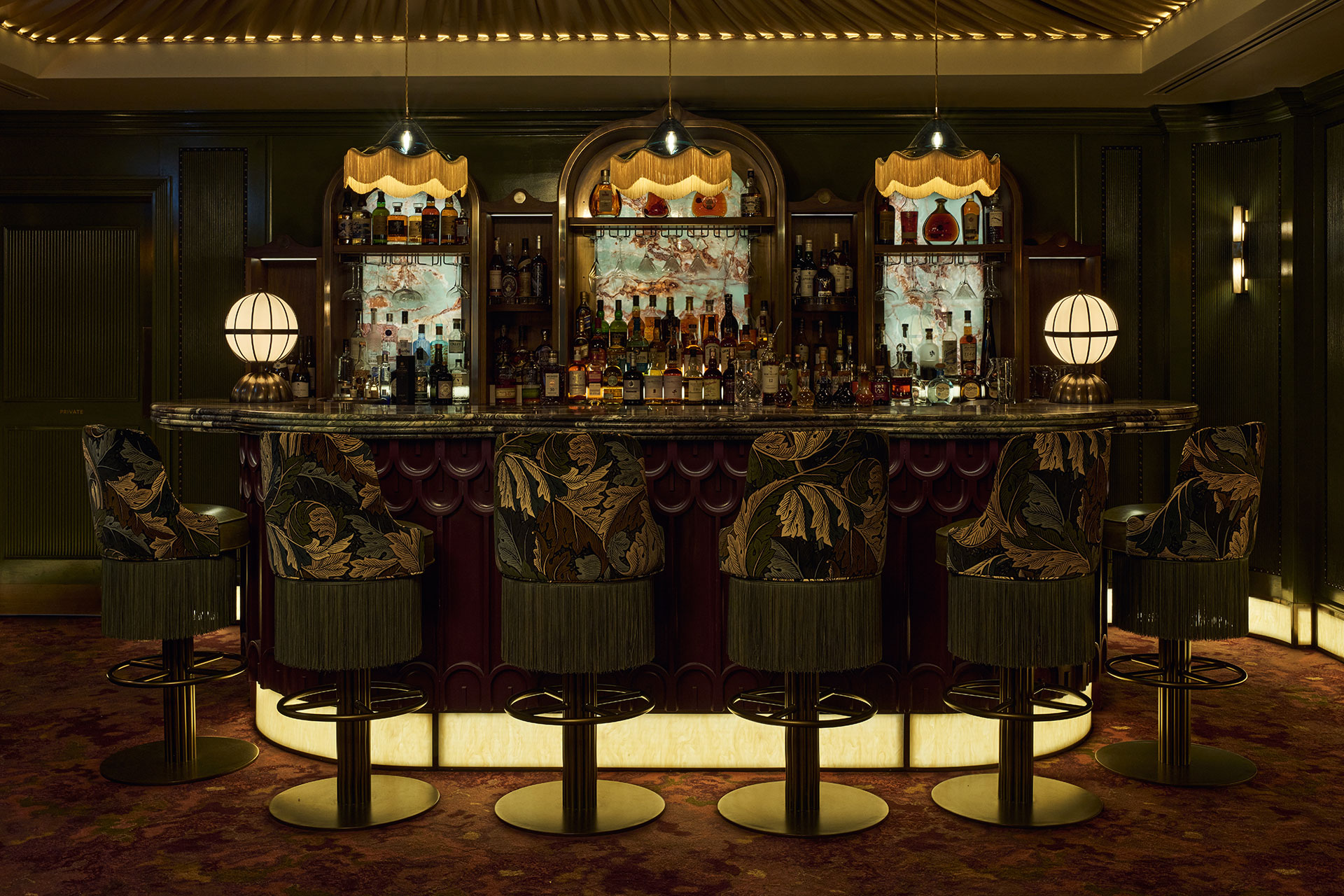
The Demob Bar is a key space within the project and required a distinct approach. With no access to natural light, the room relies entirely on artificial lighting to establish mood and identity. A tented illuminated ceiling provides a soft ambient layer, complemented by accent lighting, decorative fixtures and intimate table lights. A back-lit onyx bar acts as a visual anchor, giving depth and focus to the space.
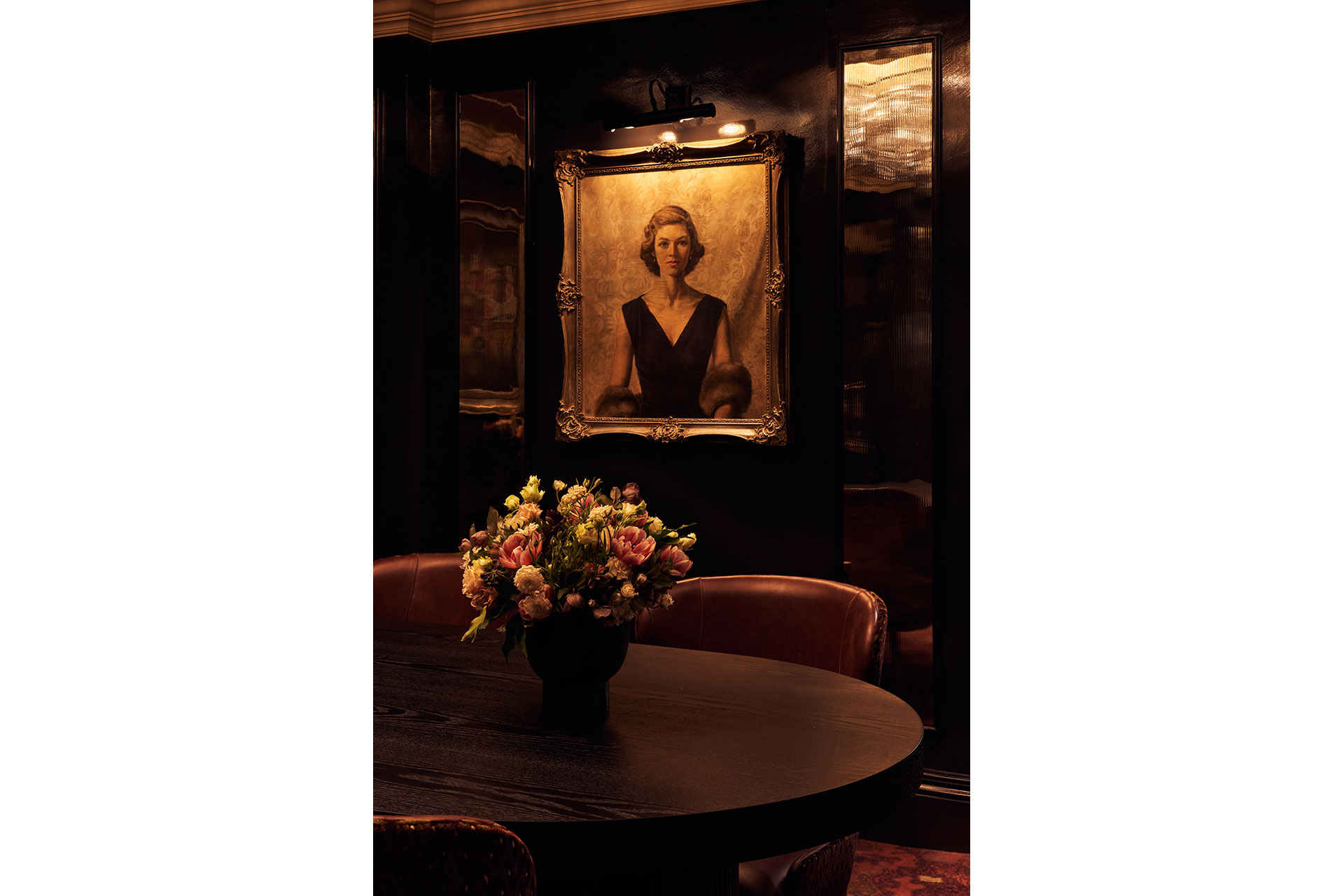
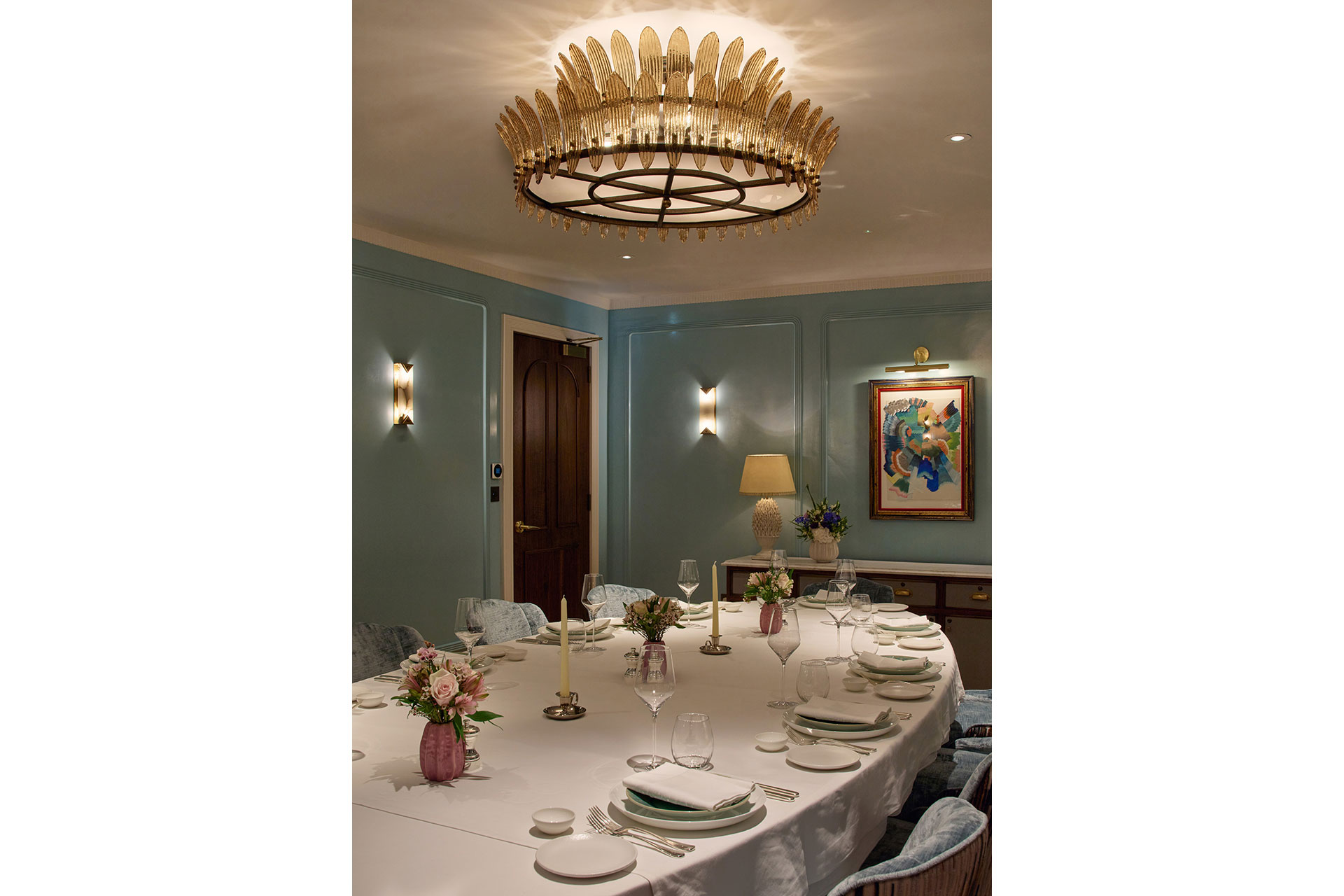
Private dining rooms were designed to be adaptable, supporting a range of uses from daytime meetings to evening events. The lighting allows each room to maintain its own character while responding to daylight availability and changing functional requirements.
Delivered in collaboration with Russell Sage Studio, the lighting design supports the architectural and interior vision without excess or distraction. The completed scheme enhances usability, atmosphere and coherence, contributing to the continued relevance and longevity of The Sloane Club as a private members’ destination.