
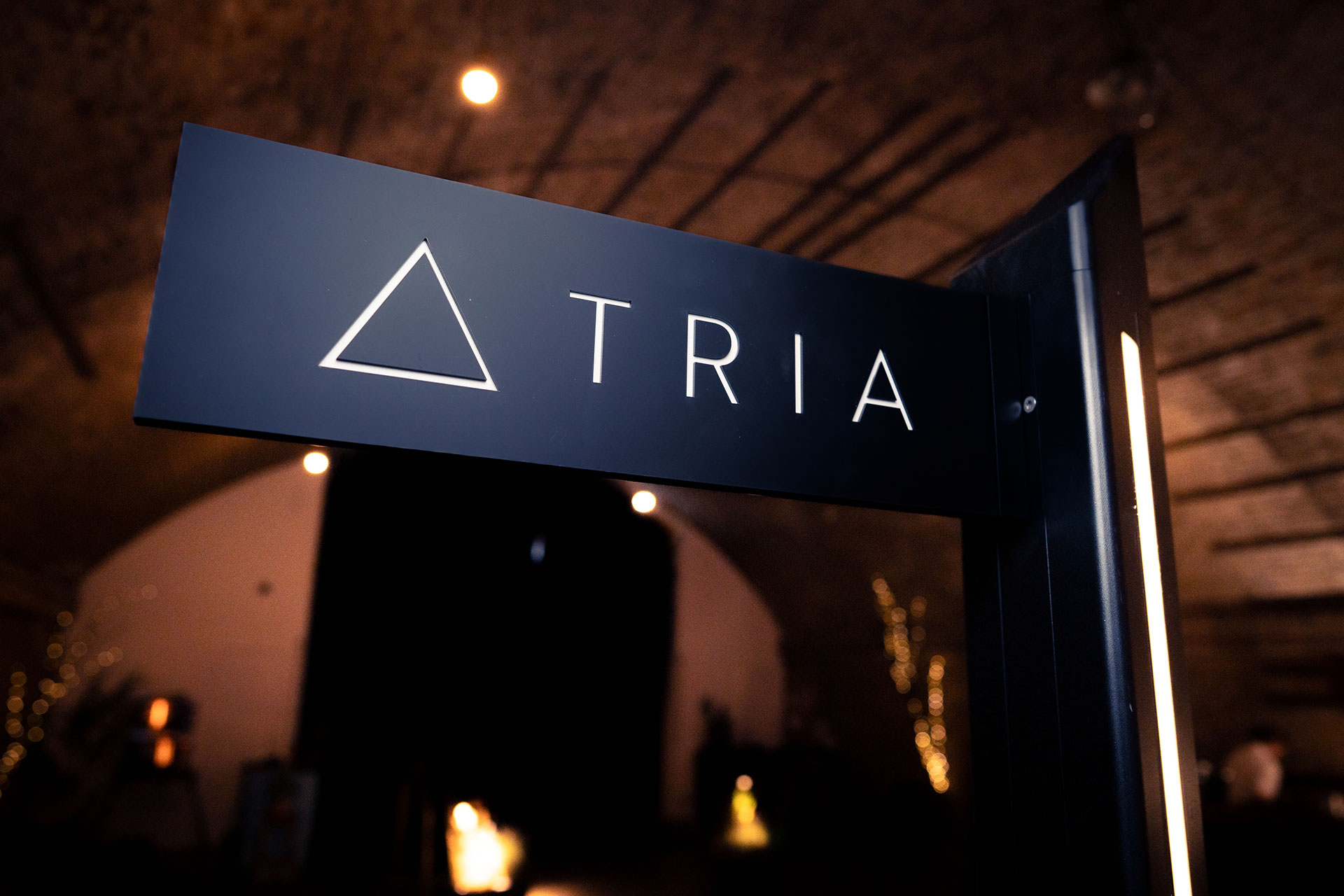

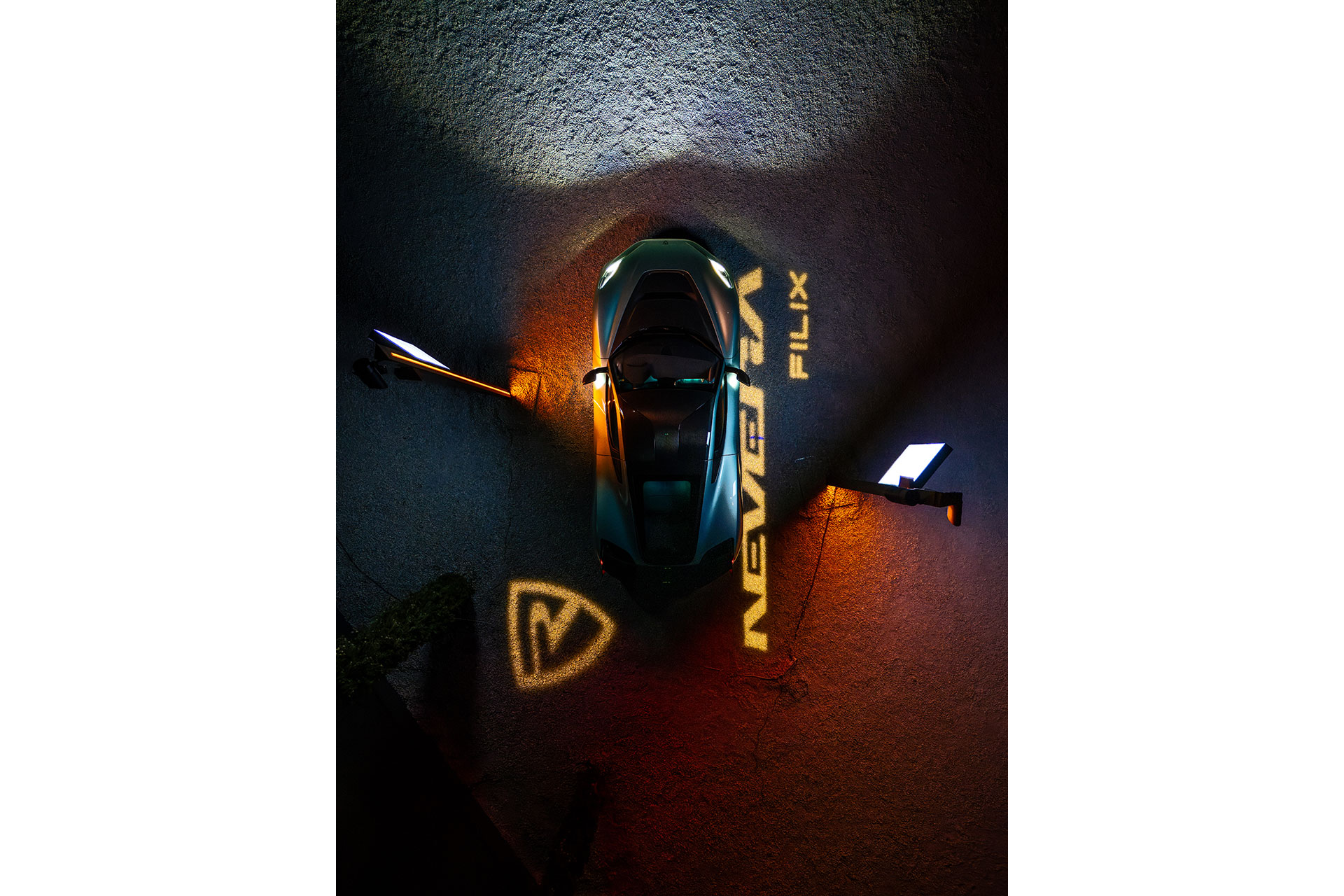
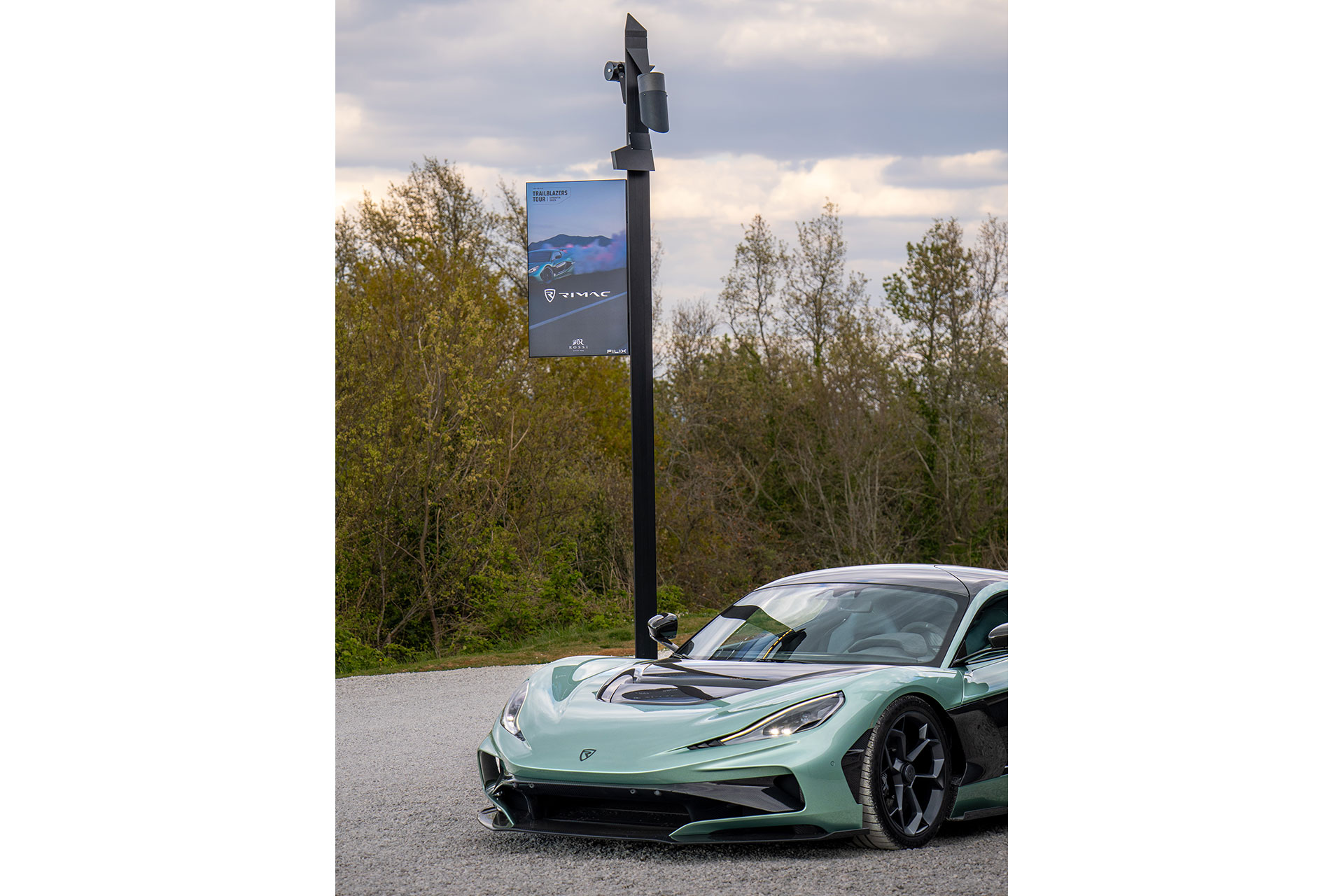
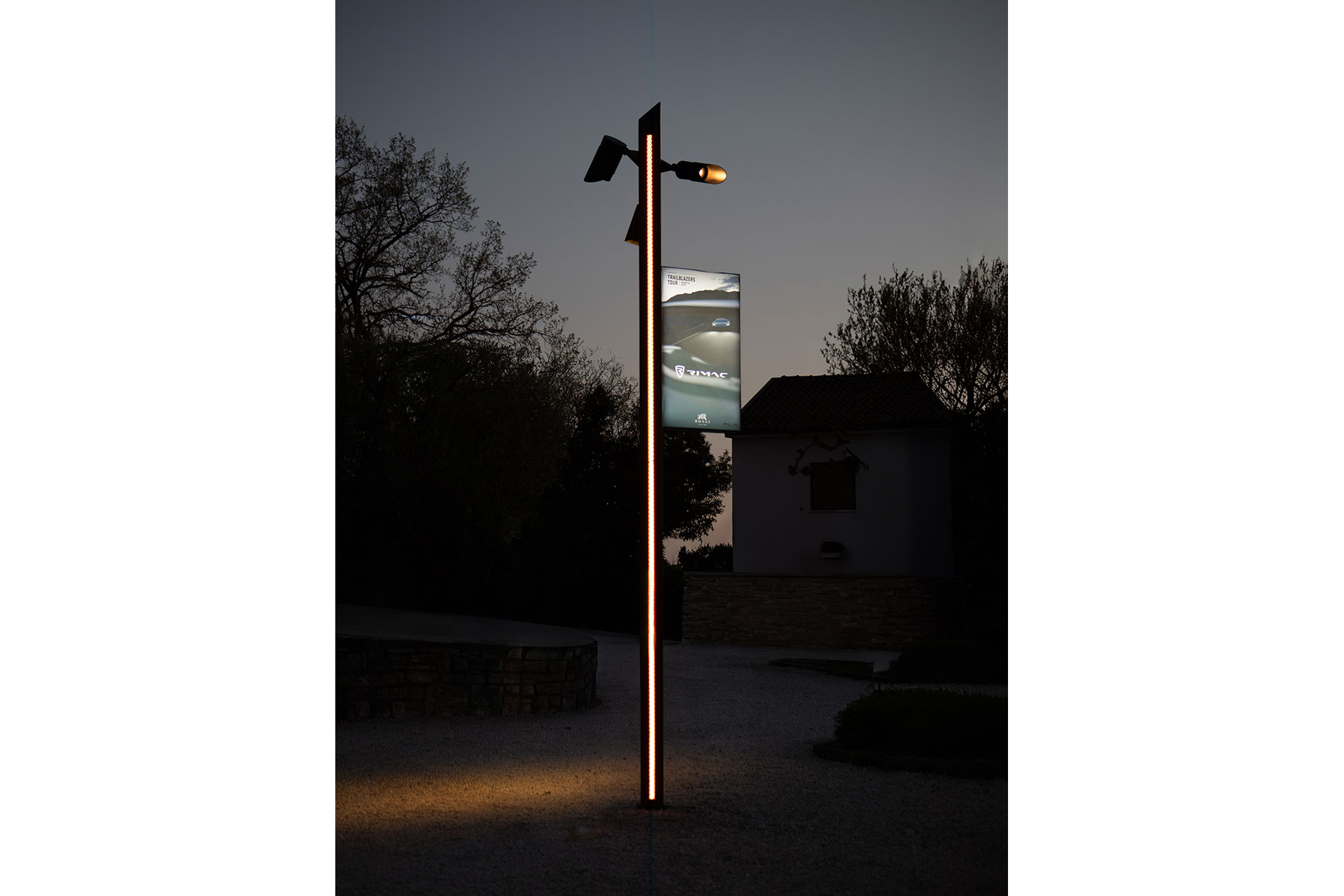
Designed by Dean Skira and developed by Filix Lighting, Tria System is a modular exterior lighting and infrastructure solution created to respond to the evolving needs of landscape, hospitality, and public space design. It brings lighting, technology, and communication together in a single architectural structure that remains adaptable over time.
Tria is available in three sizes, Tria S, Tria M, and Tria L, covering a height range from 500 millimetres to 8 metres. This scalability allows one consistent design language to be applied across pathways, gardens, plazas, and large open areas, simplifying specification while maintaining visual coherence across an entire project.
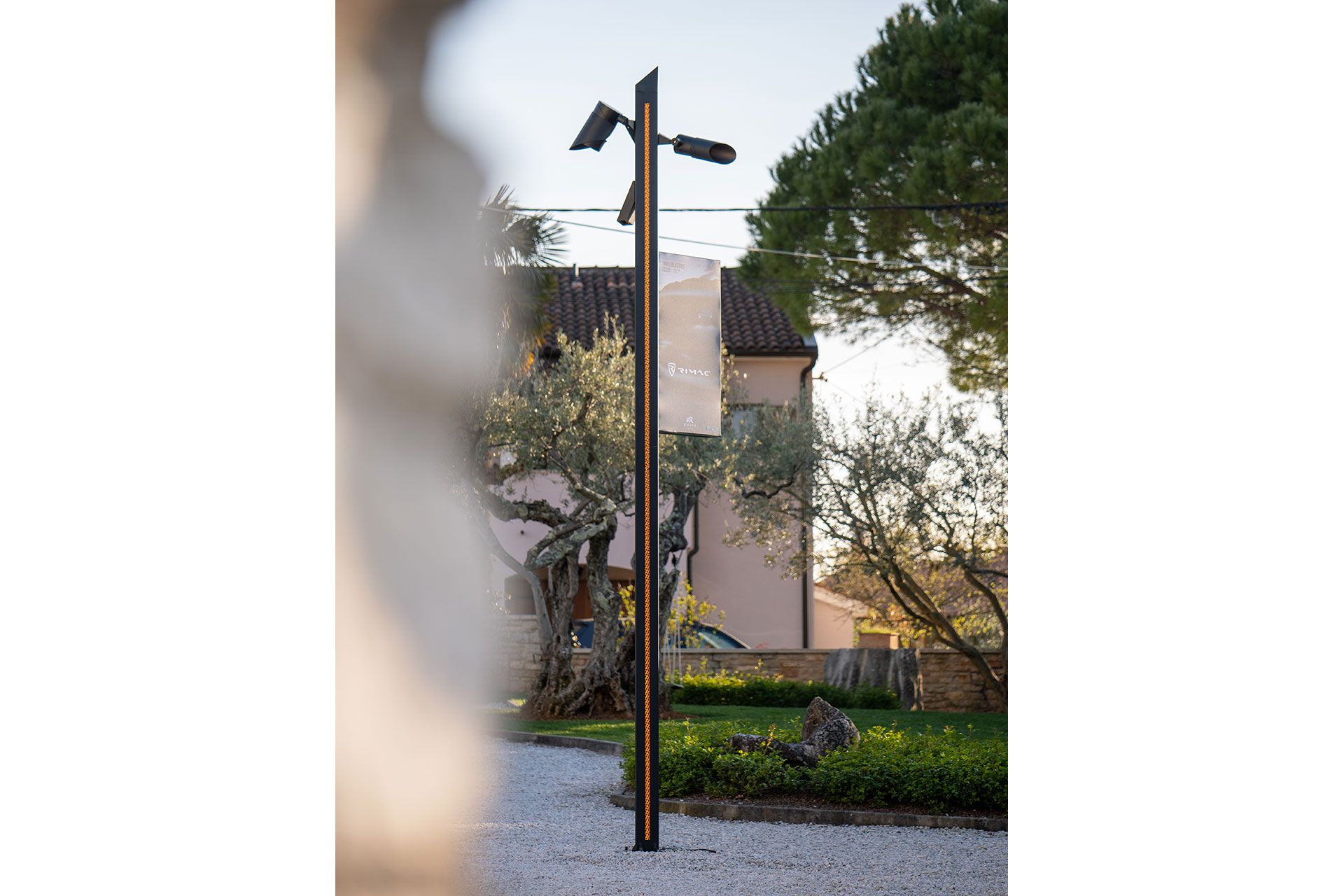
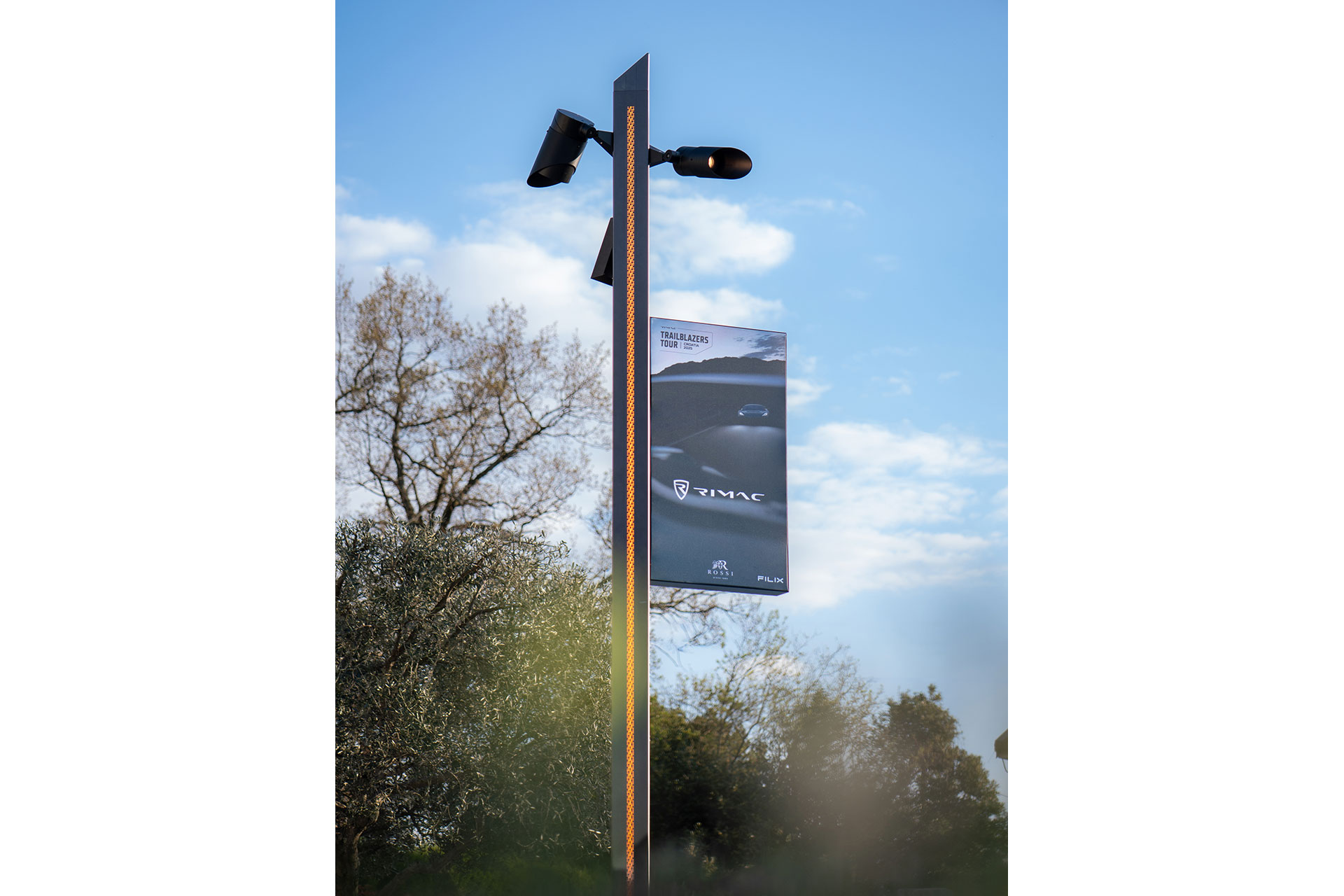
The system is defined by its triangular aluminum profile, finished with anodizing and protective coating for long term durability in outdoor conditions. The geometry provides structural stability and a clean surface for integrated components, while internal channels allow for organized routing of power and data without visible clutter.
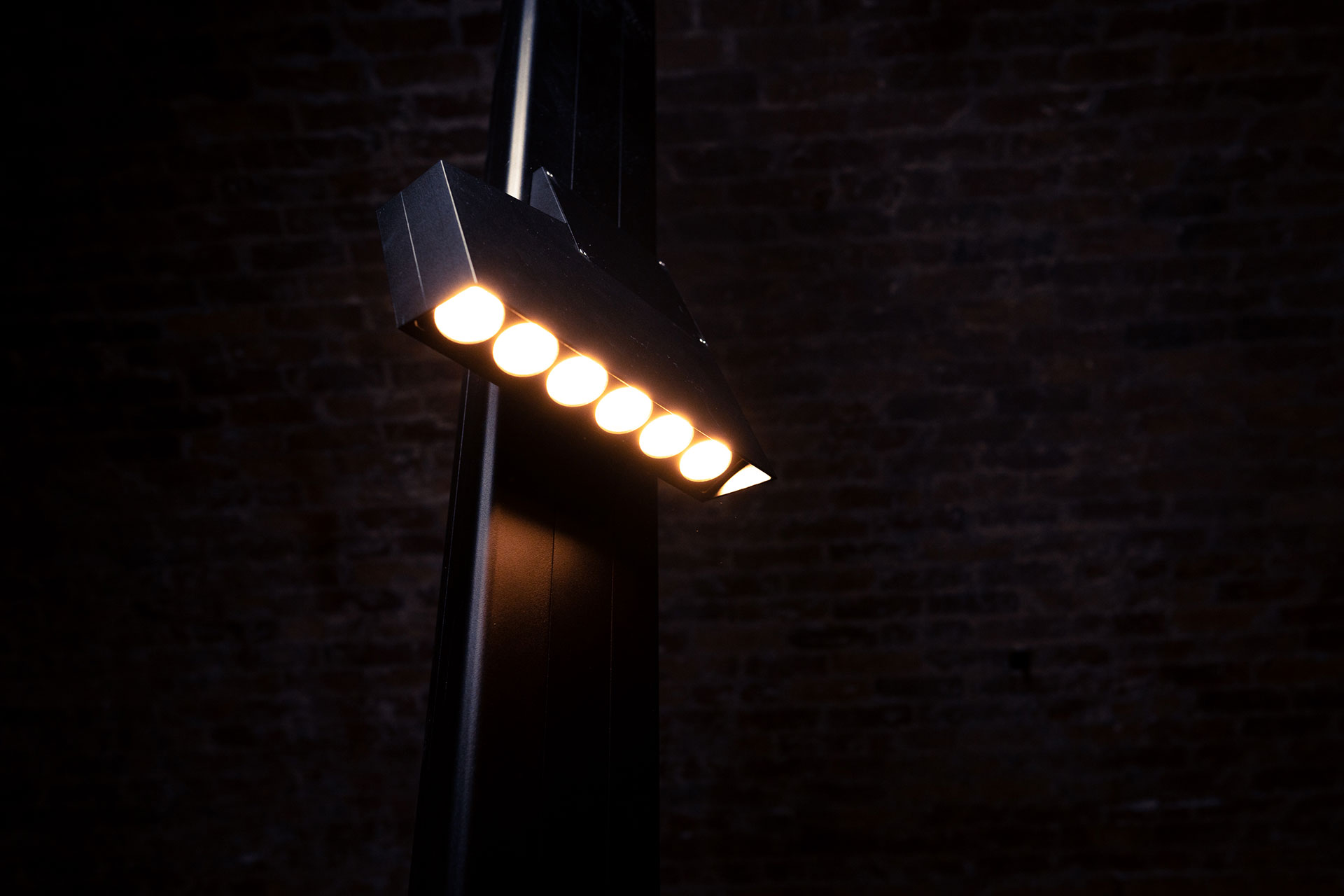
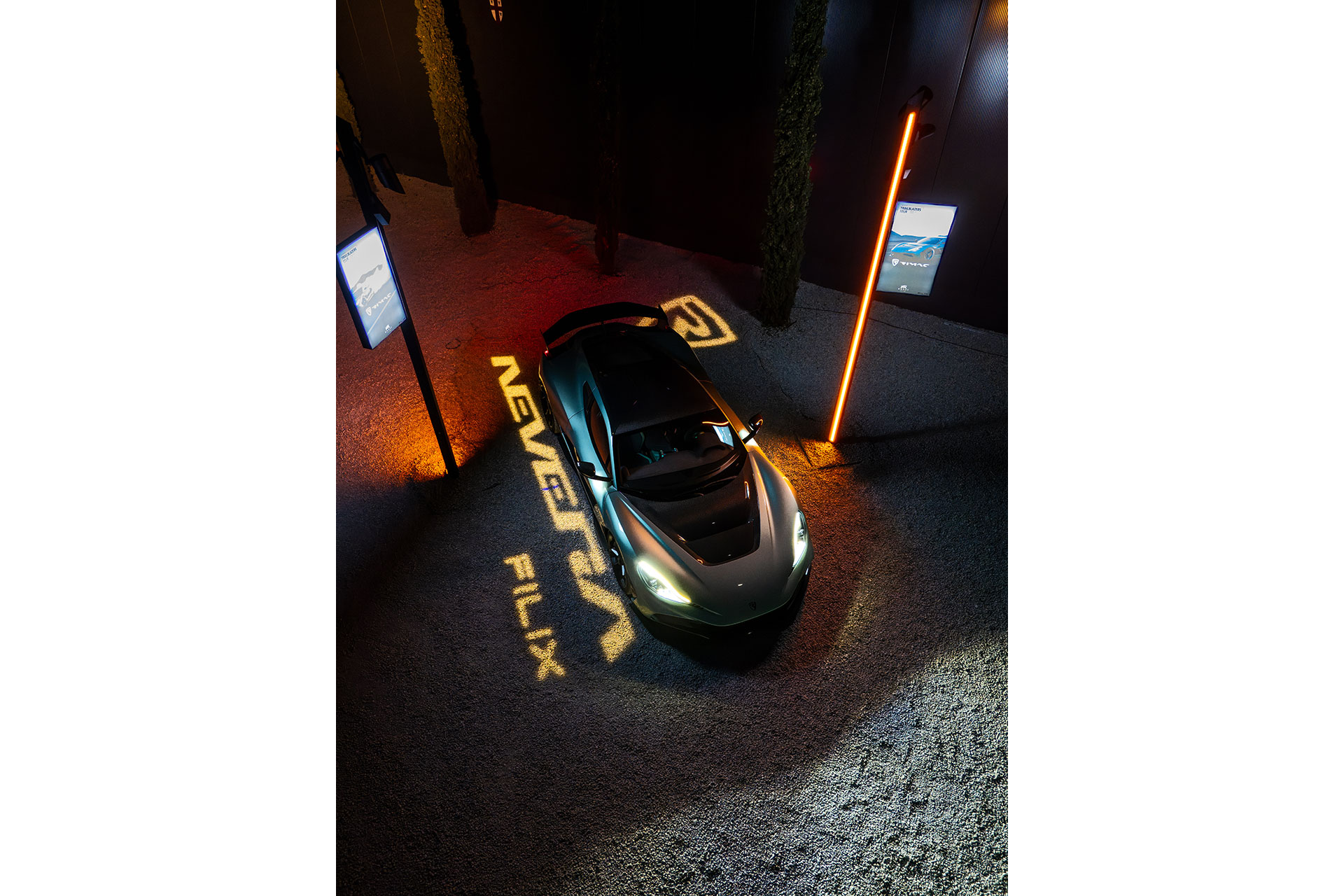
At the core of the system is Quick Connect, a mechanical and electrical interface that allows projectors and other fixtures to be mounted or repositioned anywhere along the pole. This eliminates drilling and fixed brackets and enables precise adjustment on site. As landscapes evolve through plant growth, seasonal change, or redesign, lighting can be adapted without new cabling or structural intervention. This flexibility extends the usable life of the installation and reduces long term investment.
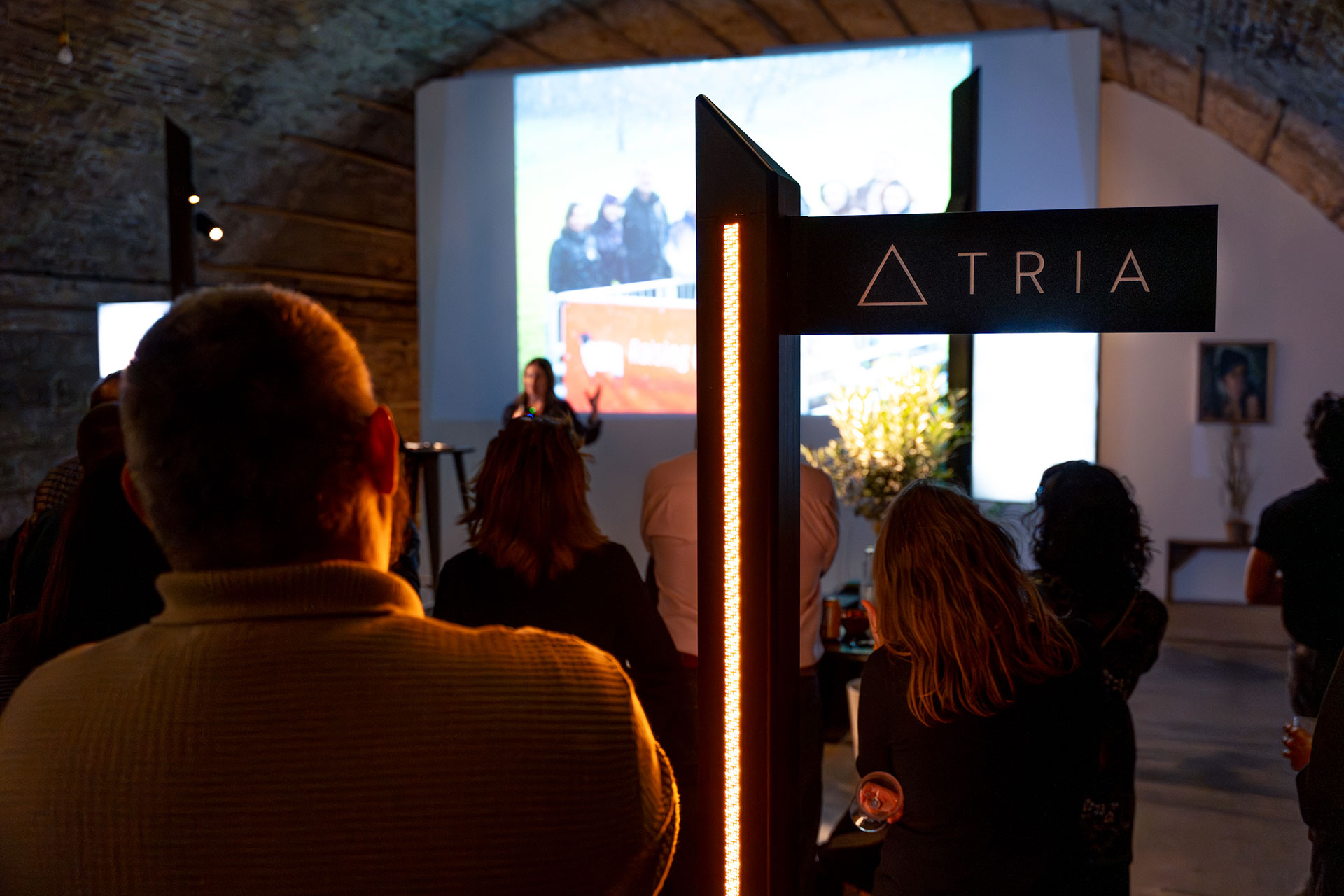
Tria also integrates Trace, a vertical backlight built directly into the pole. Trace provides subtle orientation and spatial definition after dark, adding atmosphere while preserving the clarity of the form. The light remains part of the structure rather than an added element, reinforcing the system’s architectural character.
Beyond lighting, Tria functions as an intelligent hub. The pole can host environmental sensors for air quality and weather monitoring, Wi Fi modules, and both digital and static signage. This multi functionality reduces the need for separate infrastructure elements and supports clearer, more organized outdoor environments. Information, connectivity, and wayfinding become part of a single system rather than scattered additions.
By consolidating multiple functions into one modular structure, Tria reduces material use, cabling, and on site labour. Fewer poles and fewer fixtures are required to achieve balanced illumination and communication coverage, resulting in measurable savings during installation and operation. Manufacturing takes place at Filix’s facility in Croatia, which operates with a significant share of solar energy, supporting a responsible production process.
Tria has already received international recognition, including the Beacon Award and the LIT Award, and has been presented to professional audiences in Dubai and London. It will be further showcased at Light and Building Frankfurt, reflecting its growing relevance within architectural lighting.
Tria System demonstrates how thoughtful design and engineering can create infrastructure that is adaptable, efficient, and visually refined, supporting both present needs and future change.