
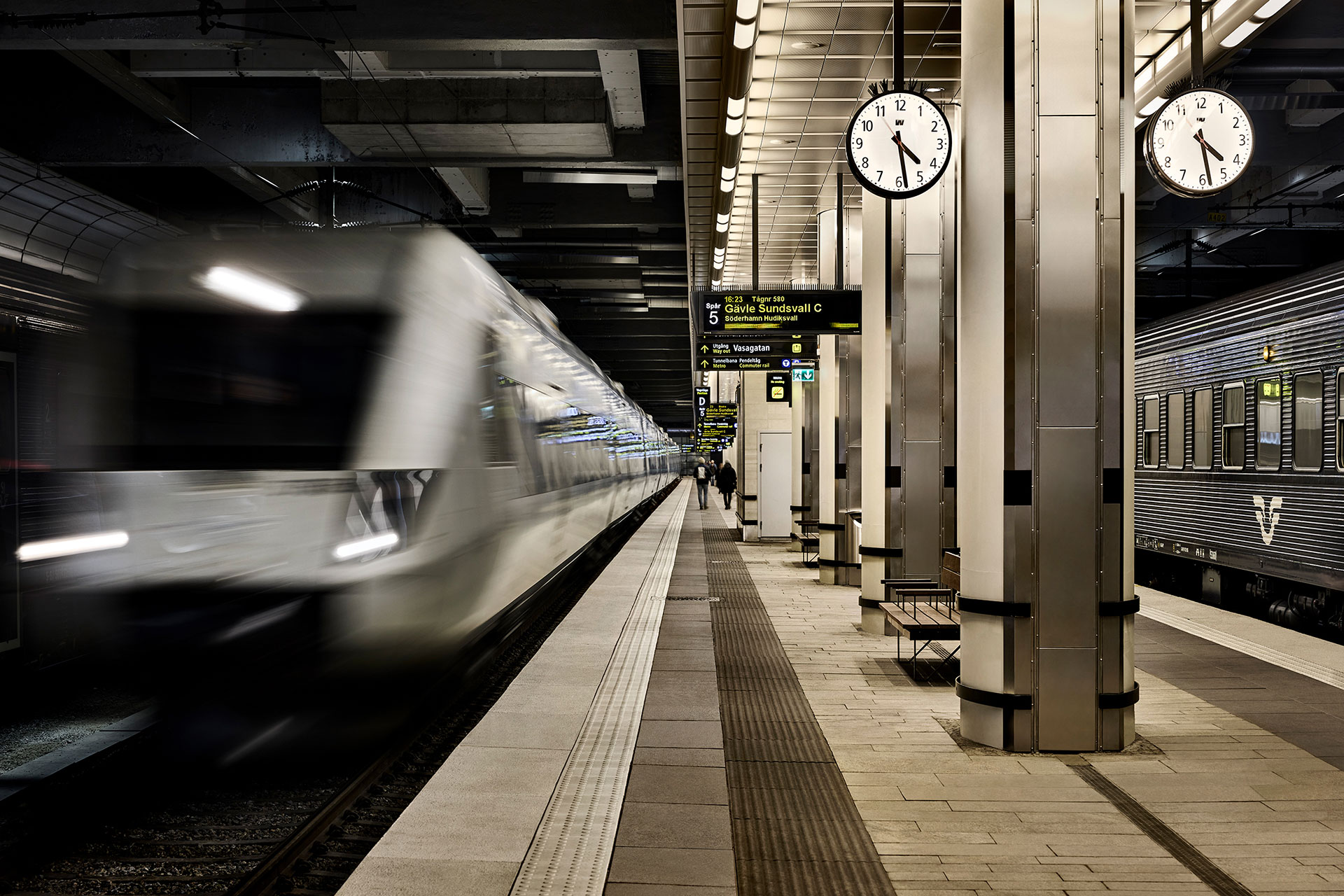
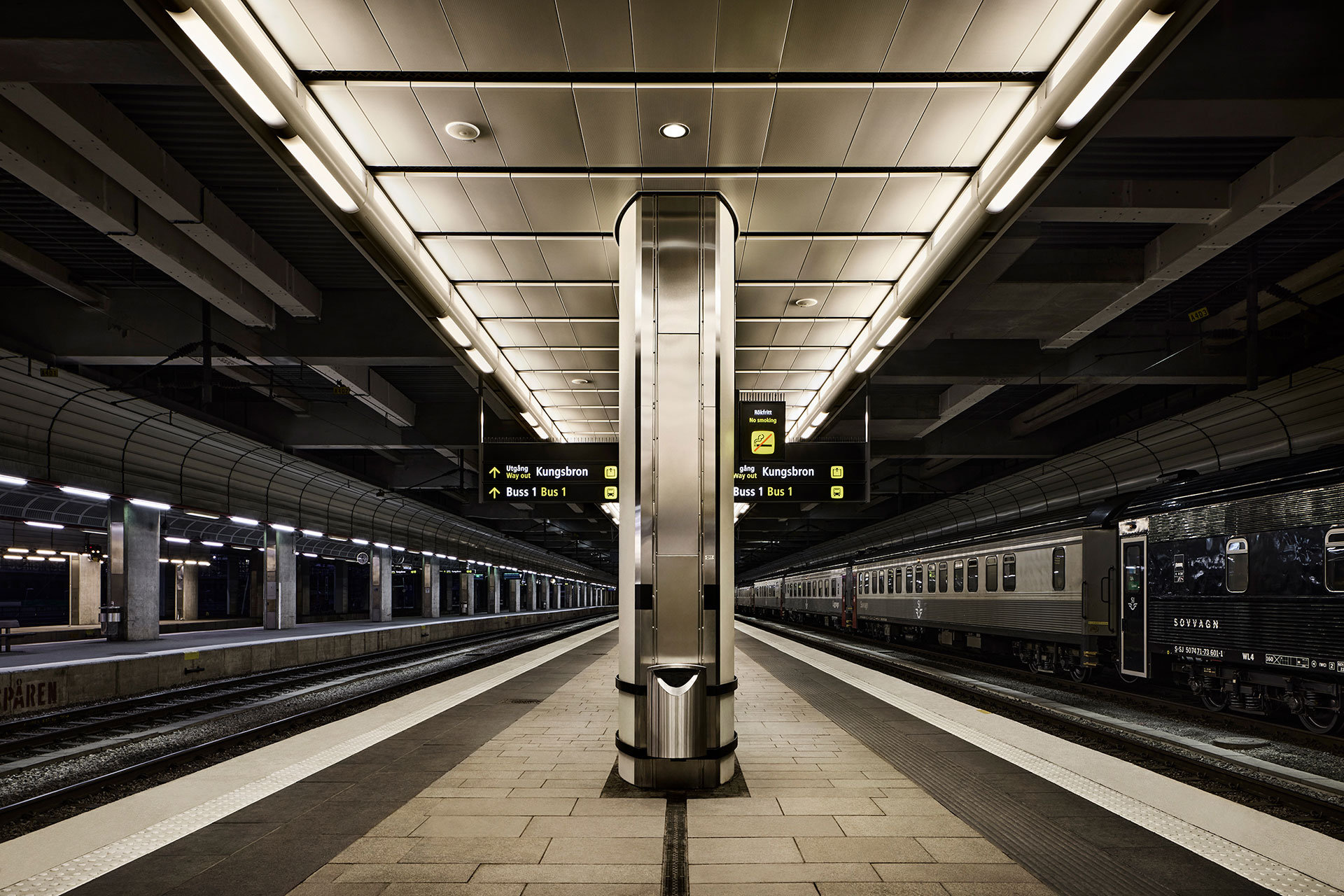
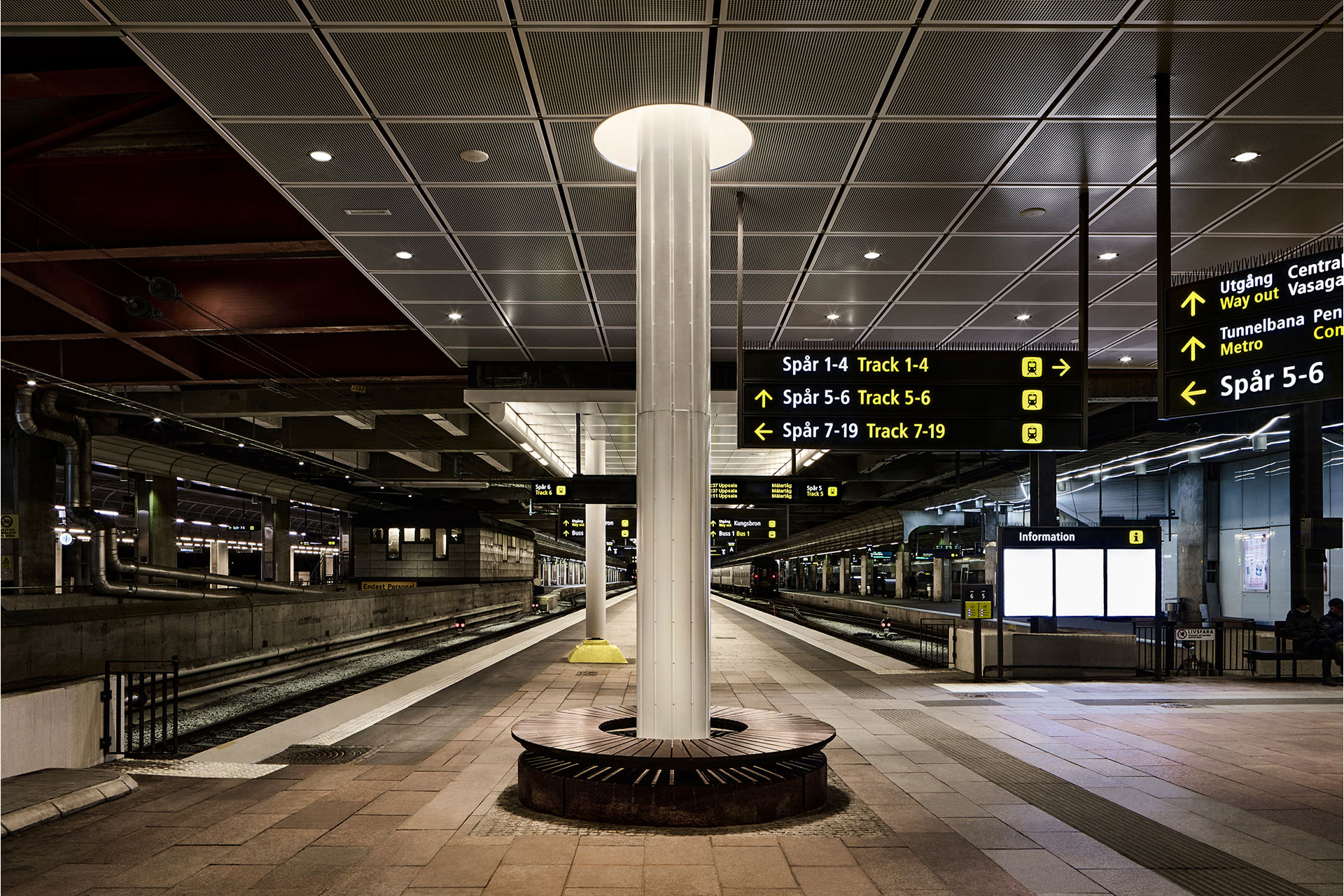
As part of the intentions to revitalize Stockholm Central Station into a more welcoming and elegant gateway to the capital, a lighting strategy was developed that would add functionality and architectural quality to the station’s platforms.
Extensive daylight analysis and simulations were carried out beforehand to identify the complexity of the site and develop an adequate design response. Promoting a visual hierarchy by applying different lighting solutions throughout the station, the aim was to increase travellers’ general experience of well-being, orientation and safety in a complex, busy environment.
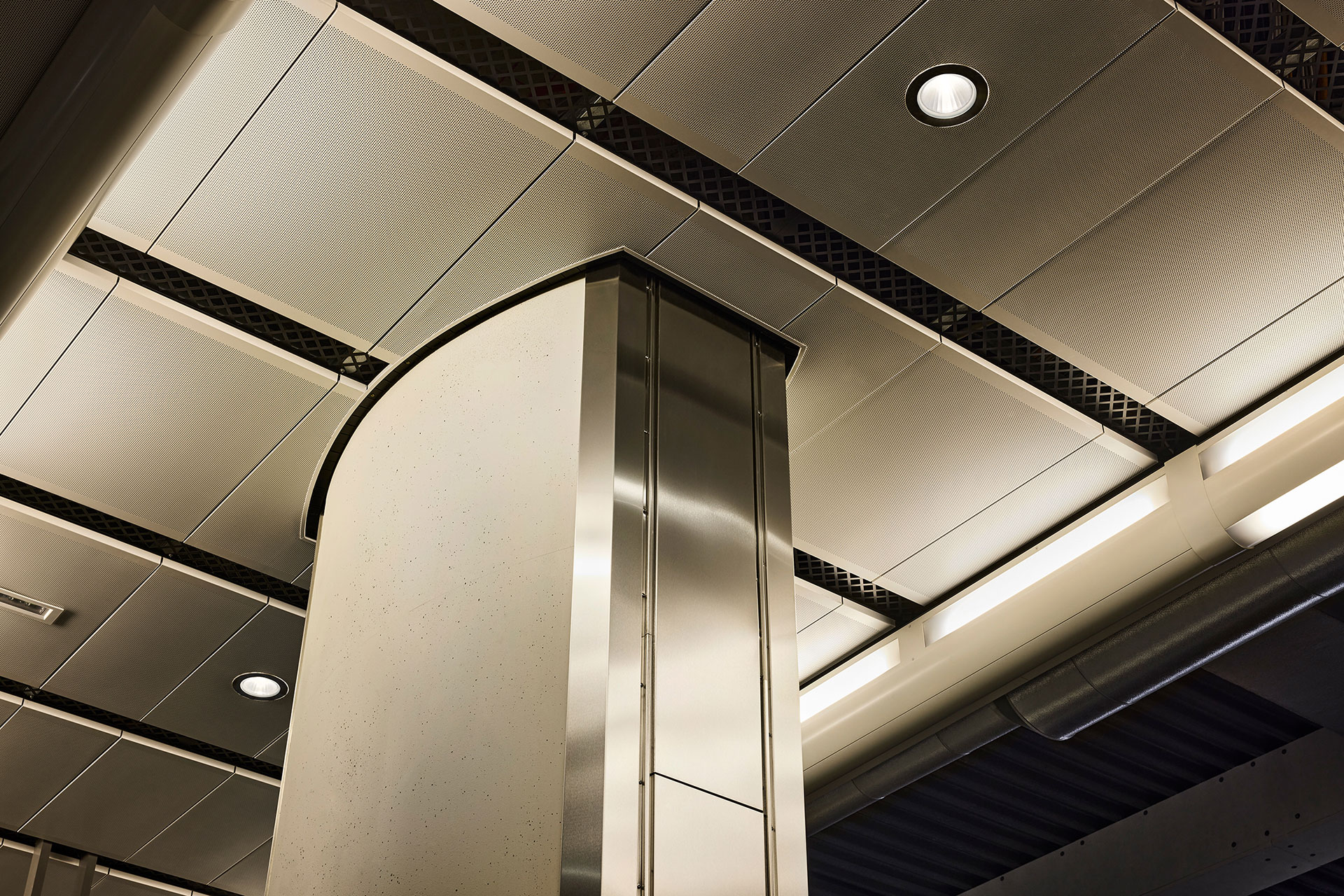
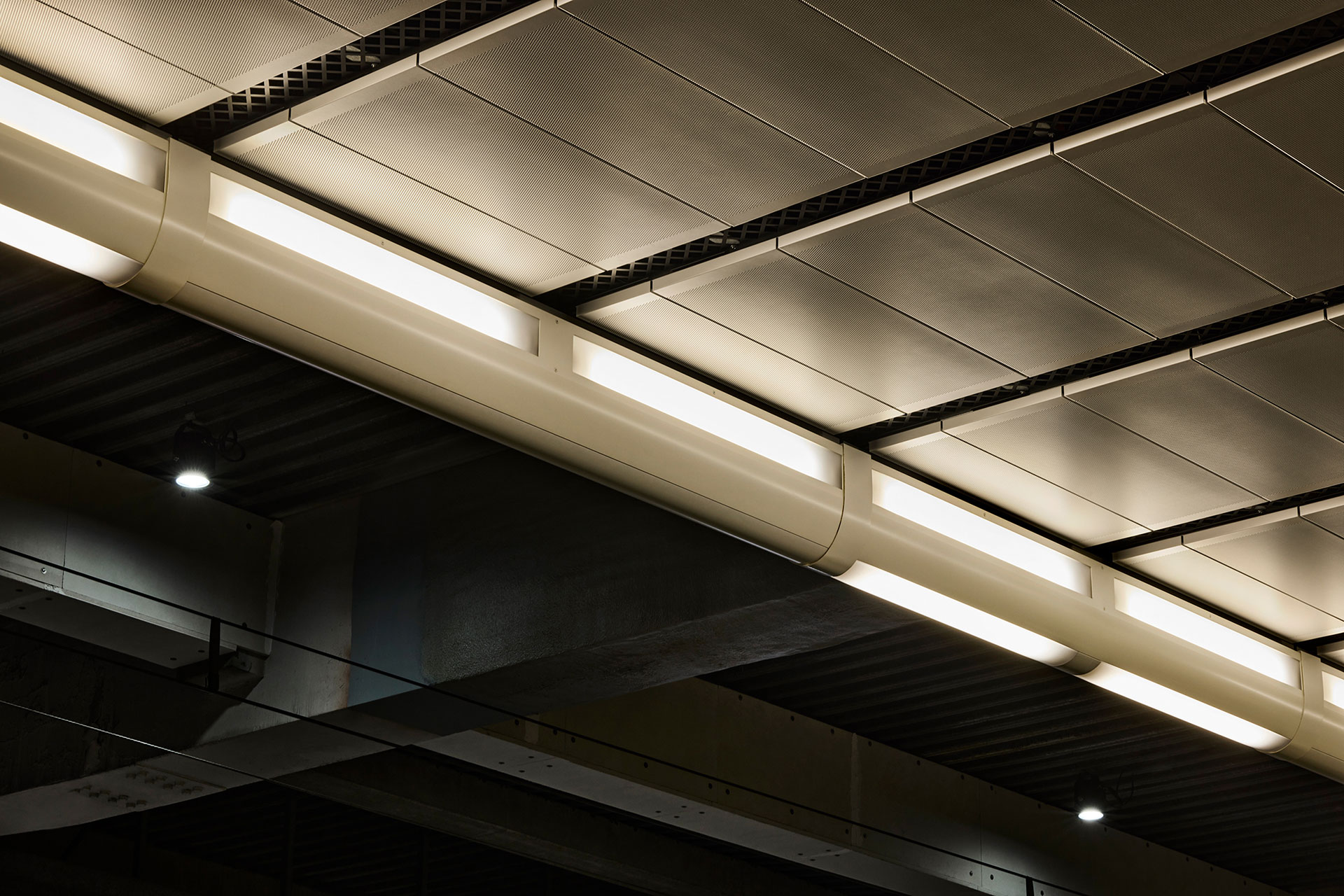
Vertical, indirect lighting supports the traveler’s spatial perception by highlighting architectural features and structural elements such as floors, columns and ceilings. Directional lighting in the middle of the platform creates an intimate zone where the seating area is accentuated. Light gradients in bespoke integrated lighting reduce contrasts between enclosed areas and the surrounding outdoor environment. Full scale mock-ups and close collaboration with architects, landscape architects and accessibility experts ensured a careful choice of colours and materials.
An integral part of the design strategy for Stockholm Central Station was to promote fossil free travel by making entrances and public spaces more attractive and accessible.
The new lighting scheme in the station’s public areas offers a robust solution, where few types of fixtures with a long lifespan help keep operational costs at a low level. Bespoke luminaires are designed to create ceiling and directional light whilst also preventing birds from gathering in left over spaces, significantly lowering maintenance costs.
Energy-efficient luminaires throughout the station have replaced old technology and obsolete light sources such as fluorescent lamps and metal halide light sources with a high energy consumption. Advanced control systems contribute to decreased consumption over time while prolonging the total lifespan of the facility.